Category: Uncategorized

  • Pharmacist Salary in NZ | Elite Expertise

    pharmacy course in AU

    Pharmacist Salary in New Zealand: What You Need to Know

    Pharmacy is a well-respected and rewarding profession that’s integral to New Zealand’s healthcare system. Whether you’re already working in the field or planning to relocate and register as a pharmacist in NZ, you should understand how much pharmacists earn, what affects salary levels and how your career path can influence your income.

    How much does a pharmacist earn in New Zealand?

    According to Careers New Zealand, pharmacists typically earn between $96,000 and $133,000 NZD per year (approximately $57,600 to $79,800 USD). That’s around $8,000 to $11,000 NZD per month ($4,800 to $6,650 USD).

    Your salary will vary based on factors like your experience, your location (rural vs urban) and whether you’re working in a community, clinical or academic role. Entry-level positions generally start at the lower end of the range, while experienced pharmacists or those in specialised areas can earn toward the top.

    The Average Salary of a Pharmacist in New Zealand

    Pharmacists play a critical role in New Zealand’s healthcare system, from supporting community wellbeing to contributing to complex hospital-based care. While exact salaries can vary based on your setting, experience and qualifications, current data shows that pharmacists in New Zealand earn a competitive income reflective of their skills and responsibilities.

    General Salary Range

    According to Careers New Zealand, pharmacists typically earn between $96,000 and $133,000 NZD per year (approximately $57,600 to $79,800 USD). This range applies broadly across the profession and reflects factors such as years of experience, geographic location (urban vs rural), area of practice and added responsibilities.

    Community, Clinical and Academic Roles

    Although official data does not provide separate figures for each pharmacist role, earnings can vary depending on the nature of your work. For instance:

    • Community pharmacists often work in retail or local healthcare settings and may earn towards the lower to mid-end of the salary range in early career stages, with higher earnings possible for pharmacy managers or rural placements.

    • Clinical pharmacists, particularly those working in hospitals or specialist care, may earn toward the upper end of the range, especially with postgraduate qualifications or experience in areas such as oncology or cardiology.

    • Academic pharmacists, involved in teaching and research, may also earn salaries within this range. Those with PhDs, research grants, or senior academic roles could exceed average earnings.

    Regardless of the path you choose, pharmacy remains a respected and stable career in New Zealand, with strong demand and clear potential for growth and specialisation.

    Education and Skills for Different Pharmacist Roles

    To work as a pharmacist in New Zealand, you’ll need to complete a Bachelor of Pharmacy (BPharm), a four-year program, followed by a one-year internship or pre-registration training. Registration with the Pharmacy Council of New Zealand is also required.

    Strong communication and critical thinking skills are essential across all roles. Community pharmacists need to explain treatments clearly to patients, while clinical pharmacists must analyse treatment plans and collaborate with healthcare teams. Academic pharmacists benefit from advanced research skills and a strong grasp of scientific writing and teaching methodologies.

    If you’re an internationally qualified pharmacist, you’ll also need to pass the OPRA exam before you can register and practise in New Zealand.

    How Elite Expertise Can Help

    If you’ve completed your pharmacy qualification overseas and want to practise in New Zealand, Elite Expertise can support your journey through our OPRA exam preparation programs. With tailored training and expert guidance, we help you prepare with confidence and meet the requirements for registration. Our courses also support pathways to pharmacy practice in Australia and Canada.

    Learn more about our international pharmacy coaching programs here

    Mr. Arief Mohammad is renowned for his excellent teaching skills and practice-based experience which can contribute to developing practice-based knowledge for a learner. He has been a practicing pharmacist in Australia for the last 5 years and has been a preceptor to several students and intern pharmacists.

    Follow On

    Arief Mohammad

    Arief Mohammad

    ABOUT THE AUTHOR

  • How to Become a Pharmacist in New Zealand via OPRA Exam – Step-by-Step Guide

    Introduction

    Are you dreaming of working as a pharmacist in New Zealand but are unsure how to navigate the entire process? Well, you are not alone in this! Many overseas-qualified pharmacists have the same dreams but are faced with the ultimate question of how to secure a job that is good enough from all aspects and, most importantly, how to register as a pharmacist in Aotearoa, New Zealand.

    Well, all confusion put aside, the good news is that the OPRA (Overseas Pharmacist Readiness Assessment) exam is your gateway to making this far-fetched dream a reality!

    The Pharmacy Council of New Zealand (PCNZ) has designed this pathway to ensure that all overseas-trained pharmacists meet New Zealand’s pharmacy practice standards. So, if you are seriously interested in becoming an overseas qualified pharmacist in New Zealand, this guide will walk you through everything from scratch—eligibility requirements, registration fees, exam format, and the scope as an intern pharmacist.

    So, without wasting any time, let us dive into the step-by-step process of how to become a pharmacist in New Zealand via the OPRA Exam pathway.

    Pharmacist who working in New Zealand

    What Is The OPRA Exam?

    In March 2025, the KAPS (Knowledge Assessment of Pharmaceutical Sciences) Exam will be replaced by the OPRA (Overseas Pharmacist Readiness Assessment) Exam. It is now considered to be the standard new assessment for overseas pharmacists who wish to work in New Zealand and Australia.

    The OPRA (Overseas Pharmacist Readiness Assessment) Exam has been designed to assess the knowledge of the aspiring candidates’ pharmaceutical sciences knowledge, clinical expertise, and their respective readiness for becoming eligible and practicing in New Zealand’s competent healthcare system.

    Key Features of the OPRA Exam:

    Here is a breakdown of the key features of the OPRA Exam:

    • The paper will be in a single paper format with 120 multiple-choice questions (MCQs).

    • The duration of the entire exam will be 2.5 hours.

    • The exam will be focused on particular subjects of pharmaceutical sciences, including therapeutics, disease prevention, medicine management, and New Zealand pharmacy legislation.

    • The exam fee is AUD 2,190.

    • A candidate is only allowed two attempts for this exam.

    Eligibility Criteria for the OPRA Exam

    Before you register for the OPRA Exam, you must ensure that you meet the eligibility criteria set by the Pharmacy Council of New Zealand (PCNZ).

    Here is a list of all the requirements or eligibility criteria that you need to possess before applying for the OPRA exam:

    • A Bachelor of Pharmacy (B.Pharm) or Doctor of Pharmacy (Pharm.D) degree

    • Completion of the initial consideration application form through PCNZ

    • English language proficiency—such as Academic IELTS (overall 7.5).

    Once all these requirements are met or in your hands, you can safely apply for the initial skill assessment in association with the Pharmacy Council of New Zealand.

    💡 Related Read:

    OPRA Exam Eligibility Criteria

    Step-By-Step Process To Become A Pharmacist In New Zealand

    Here is a step-by-step breakdown of how you can easily become a pharmacist in New Zealand.

    Step 1: Initial Skill Assessment by the Pharmacy Council of New Zealand (PCNZ)

    The very first step requires you to apply for an initial consideration application with PCNZ. This allows the Pharmacy Council of New Zealand to assess your application in terms of your pharmacy qualification, work experience (if any), and eligibility for the OPRA exam.

    Fee:

    The fee for this step is NZD 777

    Processing Time: 4–6 weeks.

    Step 2: Register for the OPRA Exam

    Once the Pharmacy Council of New Zealand confirms your eligibility, you can apply for the OPRA exam. The OPRA exam will be held thrice a year, that is, in March, July, and November. The exam will take place in different test centers across India and other countries.

    Exam Format:

    Fee: The exam fee is AUD 2,190

    💡 Related Read:

    OPRA Exam 2025: Overseas Pharmacists Readiness Examination – Everything You Need to Know

    Step 3: Pass the New Zealand Pharmacy Legislation (NZPL) Course

    Once you have cleared the OPRA exam, you are required to complete the New Zealand Pharmacy Legislation (NZPL) course. This course comprises New Zealand pharmacy legislation, ethical responsibilities, and professional standards, all in accordance with the Pharmacy Council of New Zealand.

    Duration: The entire duration of the course spans over 3 months (10 modules)
    Fee: The fee for this course is NZD 2,400
    Enrollment: Once a year

    Step 4: Register as an Intern Pharmacist

    After successfully clearing the OPRA exam and then completing the NZPL course, you are asked to register under the Intern Pharmacist Scope of Practice. This is considered to be a very important step before obtaining the status of a registered pharmacist in New Zealand.

    Fee: The fee is NZD 957 for the May intake, and it is NZD 340 for the November intake.

    Step 5: Complete the Evolve Internship Programme

    The EVOLVE Internship Programme is a supervised practice program that helps all the soon-to-be-registered pharmacists gain real-world pharmacy experience in New Zealand.

    During this internship program, pharmacists get to experience the following:

    • Work under the direct supervision of a registered pharmacist

    • Develop expertise in various fields, such as disease prevention services, hospital pharmacy, and community health

    • Gain practical training in pharmacy practice and ethical responsibilities.

    Internship Duration: February 1st – November 7th

    Fee: NZD 8,950

    Step 6: Apply For Full Registration As A Pharmacist In New Zealand

    Once the internship has been completed, the candidates can apply for a full registration with the Pharmacy Council of New Zealand (PCNZ).

    Final Registration Fee: NZD 1,312 (May) | NZD 695.33 (November)

    Once you have been registered, you will receive your ‘Practicing Certificate’, after which you can start working as a fully licensed pharmacist in New Zealand in full accordance with the pharmacy council!

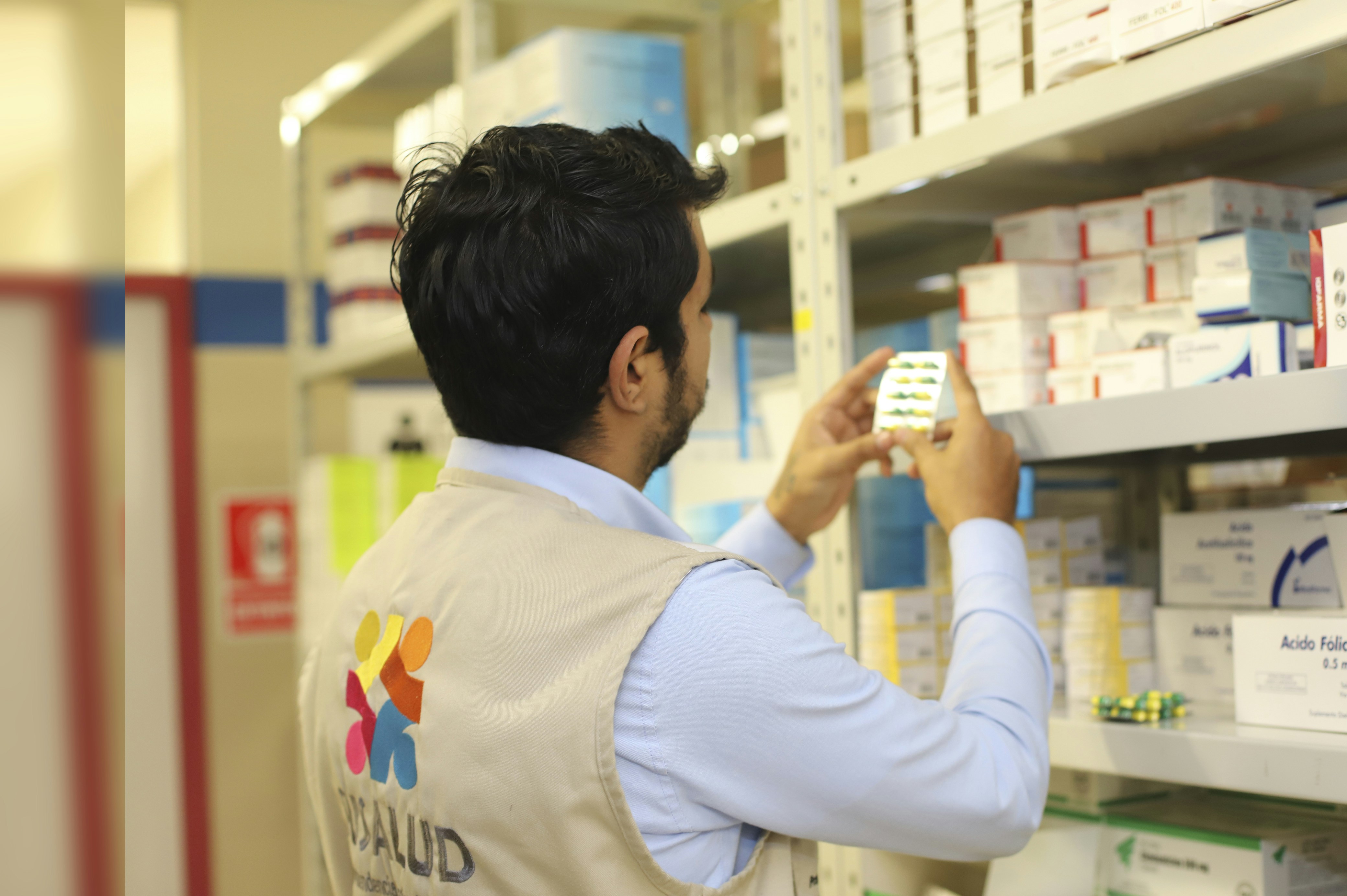
    a pharmacist who taking a picture of a product in a store

    Important Exam Dates & Registration Deadlines

    Why Choose New Zealand for Your Pharmacy Career?

    Here are a few reasons to opt for New Zealand for your pharmacy career.

      High Demand: There is a significant shortage of pharmacists in New Zealand, leading to an increase in job openings.Competitive Salaries: Licensed pharmacists can expect to earn between NZD 75,000 and 100,000 annually in New Zealand.Quality of Life:The country offers a favorable work-life balance, breathtaking scenery, and a welcoming community.Pathway to Permanent Residency:Once you obtain employment, you become eligible to apply for permanent residency in New Zealand.

    How Elite Expertise Can Help You Succeed In The OPRA Exam

    The process of preparing for the OPRA Exam can be daunting. However, with appropriate support, you can succeed on your initial attempt.

    This is where Elite Expertise plays an essential role. It is a reputable organization dedicated to assisting overseas pharmacists in obtaining registration in New Zealand.

    Reasons to Select Elite Expertise:
    • Customized Study Plans: They provide individualized strategies designed to enhance your likelihood of passing the OPRA Exam.

    • All-encompassing support: Assistance from eligibility evaluation to exam preparation.

    • Established Success Rate: Numerous overseas pharmacists have successfully transitioned to New Zealand with the help of Elite Expertise and their one-on-one coaching sessions. Their mentoring has helped tremendously to uplift the morale and confidence levels of candidates, which plays an important role in exam success.

    Introducing The Experts At Elite Expertise

    Elite Expertise is spearheaded by Mr. Arief Mohammad and Mrs. Harika Bheemavarapu, two very esteemed and seasoned professionals devoted to guiding overseas pharmacists toward their goals.

    Both these pioneers are practicing Consultant Pharmacists at Monash Hospital, Australia. They are well aware of the struggles that foreign graduates have to undergo to reach the stage where they are today, and so, they have done their best to facilitate all aspiring pharmacists from other countries to take this path with the least complications.

    Their extensive understanding of New Zealand’s pharmacy regulations, exam format, and professional practices guarantees that you receive top-notch coaching and assistance. What else is there that you could ask for?

    Seeking expert support to pass the OPRA Exam? Reach out to Elite Expertise today and embark on your journey to becoming a pharmacist in New Zealand!

    Final Thoughts

    The OPRA Exam opportunity is crucial in setting an overseas-trained pharmacist on course to make headway in New Zealand’s competitive market. The entire undertaking, from the application to the internship, has multiple steps, but the rewards are worthwhile.

    For foreign pharmacists seeking a professional place to secure their future, New Zealand offers great pharmacy employment opportunities along with promising growth.

    If you are dedicated to passing the OPRA Exam, you might want to consider a coaching program with structured materials, mock exams, and guidance from industry professionals.

    Finally, having the pathway clearly laid out, are you ready to take the necessary steps toward achieving that pharmacy career you have always wanted in New Zealand?

    This blog is for informational purposes only and reflects our own views and interpretations. While we strive for accuracy, guidelines and requirements may change. Readers are advised to verify information with official sources such as the Australian Pharmacy Council (APC) and Ahpra before making any decisions. We do not take responsibility for any actions taken based on the information provided.

    ⚠️ Disclaimer

    About the Author

    Sahana Rao

    Sahana Chinthapatla is renowned for her expertise in scientific and medical writing, backed by an MPharm in Pharmacology and years of experience in research analysis and scientific writing.

    As the Head Business Writer at Elite Expertise, she provides insightful and well-researched content on KAPS, OPRA, PEBC, PSI and global pharmacy pathways, guiding aspiring pharmacists in their professional journeys.

    Follow On

    Head Business Writer | Elite Expertise

  • OPRA Exam 2025: Overseas Pharmacists Readiness Examination – Everything You Need to Know

    Everything you need to know about OPRA exam

    Introduction

    Hello pharma aspirant!

    If you have landed here, then it’s just not a mere sign, it’s your will that gets you here! Your aspiration for your career brings you here to Elite Expertise. For those of you who are new to Elite Expertise, here is a small gist of what we do, we specialize in mentoring and training international pharmacists for licensure exams, including the OPRA Exam 2025 (Overseas Pharmacists Readiness Examination).

    This blog will provide everything you need to know about OPRA 2025—eligibility, fees, exam format, preparation strategies, and post-exam career pathways.

    About Elite Expertise

    Elite Expertise was founded by Harika Bheemavarapu and Arief Mohammad, both accredited Clinical Pharmacists in Australia. Our mission is to mentor overseas pharmacists through the licensure process and help them achieve their professional goals in Australia

    What Are Pharmacy Licensure Exams?

    Every country has a regulatory body that ensures pharmacists trained overseas meet the required competency standards before practicing. Below is a breakdown of licensure exams for international pharmacists across different countries

    💡 Related Read:

    How to Work Abroad As Pharmacist: A Comprehensive Guide

    Why is Australia the Best Choice for Pharmacists?

    Australia is one of the top destinations for international pharmacists due to the following benefits:

    • Better Work-Life Balance

    • World-Class Healthcare System

    • High Quality of Life

    • Attractive Salary Packages

    • High Demand for Pharmacists, Especially in Rural Areas

    • Pathway to Permanent Residency

    • Diverse Career Opportunities & Specializations

    How to Become a Pharmacist in Australia?

    There are various steps involved to become pharmacists in Australia:

    STEP 1: Skills assessment

    STEP 2: OPRA exam or the Overseas Pharmacists Readiness Exam by Australian Pharmacy Council (APC)

    STEP 3: English language proficiency test like PTE, IELTS, OET

    STEP 4: Apply for VISA and migrate to Australia

    STEP 5: Apply for Provisional registration

    STEP 6: Find an internship supervised by a preceptor

    STEP 7: After completing 75% of the supervised hours give the Intern exams

    STEP 8: Pass the Australian pharmacist Intern Written and Intern Written exams

    STEP 9: Complete the rest of the hours of internship

    STEP 10: Apply to Pharmacy Board Australia to become fully registered as a pharmacist and practise in Australia

    💡 Related Read:

    Complete Guide to Pharmacist Registration in Australia for Overseas Candidates (2025)

    Overall, there are four testing phases to be passed in the journey to become a pharmacist in Australia, 2 of the tests before migrating to Australia and 2 tests after migration which are as follows:

    · OPRA exam

    · English language proficiency

    · Intern written exam

    · Intern Oral exam

    Let’s get into the details of the first exam, that is the OPRA exam:

    OPRA Exam 2025: Everything You Need to Know

    What is the OPRA Exam?

    The Overseas Pharmacists Readiness Assessment (OPRA) Exam is designed to evaluate internationally trained pharmacists’ clinical knowledge, decision-making skills, and readiness to work in Australia’s healthcare system.

    KAPS vs OPRA Exam: What’s the Difference?

    The KAPS (Knowledge Assessment of Pharmaceutical Sciences) Exam has now been replaced by the OPRA (Overseas Pharmacists Readiness Assessment) Exam for international pharmacists aiming to practice in Australia. Unlike KAPS, which focused on theoretical pharmaceutical sciences, OPRA is designed to assess clinical decision-making, communication, and practical pharmacy skills relevant to the Australian healthcare system. This change ensures that overseas pharmacists are better prepared for real-world practice before progressing to their internship and final registration with the Pharmacy Board of Australia.

    💡 Related Read:

    OPRA Exam vs. KAPS Exam: Key Changes in Australia’s Pharmacy Licensure Process

    OPRA Exam 2025 Fees

    💡 Related Read:

    OPRA Exam Fees in Australia: What Does it Cost for Foreign Pharmacists?

    Eligibility Criteria for OPRA exam?

    Pharmacy degree: Have a valid Bachelor of Pharmacy (B. Pharm), Master of Pharmacy (M. Pharm), or Doctor of Pharmacy (PharmD) degree from a recognized university

    Home Country Registration: Be registered or eligible for registration as a pharmacist in your country

    Countries eligible: The candidate who has NOT been trained in any of these countries like: Australia, Canada, Ireland, New Zealand, the United Kingdom (UK), and the United States (USA). For Example:

    1. India

    2. Sri Lanka

    3. Nepal

    4. Bhutan

    5. Bangladesh

    6. Pakistan

    7. Africa and so on…

    💡 Related Read:

    OPRA Exam Eligibility Criteria

    Validity of the OPRA exam

    The exam outcome after you pass, will be valid for 3 years from the date the APC releases exam results and NOT from the exam date.

    For any further clarifications on validity please visit APC website

    OPRA Exam 2025 Format

    • Mode: Computer-based MCQ exam

    • Duration: 2.5 hours (150 minutes)

    • Total Questions: 120 Multiple-Choice Questions (MCQs)

    • Papers: 1 (Unlike KAPS, which has 2 papers)

    • Breaks: None (Closed-book exam)

    OPRA exam syllabus

    💡 Related Read:

    OPRA Exam Syllabus Details

    OPRA Exam Dates & Test Centers

    The exam is conducted three times a year. Typically, the exam dates are in March, July, and November. (As per March 2025)

    Other important dates to remember when it comes to OPRA exam and KAPS exam:

    Test Centers

    Common Questions – OPRA Exam 2025

    What if I fail the OPRA exam?

    Failing the exam is not the end it indicates you need more preparation. Put in all your efforts and try the next time.

    Can I retake the OPRA exam?

    YES! You can retake the test by reapplying for the OPRA exam again. The document evaluation or the eligibility check is not required this time.

    How many times can I write the OPRA exam?

    There is NO limit on the OPRA exam attempts.

    Can I cancel the OPRA exam or OPRA exam cancellation?

    You can request to cancel the exam and get a refund for any reason, with the approval of APC and comes with a cancellation fee. The refund amount depends on when you cancel your exam.

    Check here for the refund policy: Candidate Refund Policy | Australian Pharmacy Council

    Can I reschedule the exam?

    You can reschedule your exam in your Candidate Portal. You can reschedule it to another date and time only during the registration period.

    What after passing the OPRA exam?

    Passing or clearing the OPRA exam is just one step closer to migrating to Australia but does not give you the authority to practise in Australia yet. Here are the steps to be followed after passing the OPRA exam:

    • Apply for EOI and apply for visa (Read more for visa options for Australia—link the blog)

    • Migrate to Australia and apply for provisional registration

    • Complete the internship hours (1575 hours)

    • After completion of 75% of the intern hours you will be eligible to write the Australin Intern written and oral exam (Also read: link)

    • Once you pass these exams register yourself and become a fully licensed pharmacist eligible to practise in Australia

      Sample papers for OPRA exam:

      A sample paper for the exam is available on the APC website, giving you an idea of the exam pattern and types of questions. It’s always best to be well-prepared. So don’t forget to have a look.

      Can I prepare OPRA exam on my own? Or can I prepare for OPRA exam by self-study

      Self-study alone may not be sufficient for the OPRA exam for several reasons:

      1. Lack of Structured Guidance – Without expert guidance, candidates may struggle to understand the specific expectations of the exam, leading to gaps in preparation.

      2. Limited Feedback – OPRA assesses clinical decision-making and communication skills, which require real-time feedback. Self-study may not provide the opportunity for constructive criticism on performance.

      3. Time Management Challenges – The exam requires quick thinking and structured responses under time constraints. Without mock exams or professional training, candidates may find it difficult to manage time effectively.

      4. Uncertainty About Exam Format –Sample papers may not fully capture the complexity of real exam cases as the exam is intro. A structured course or coaching can offer deeper insights and practice sessions.

      5. Increased Chances of Failure – Without proper training and mock exams, candidates might miss key details that may need for retakes.

    💡 Related Read:

    OPRA Exam Common Questions

    Why Choose Elite Expertise for OPRA Coaching?

    Experienced Mentors:

    The major reason to trust Elite Expertise is the trainers and Directors of Elite Expertise, Mr Arief Mohammad and Mrs Harika Bheemavarapu, who are real life pharmacists and their experience and all real-life scenarios flow into their teaching. Their teaching methodology is unique and make hard vast syllabus into smaller easily understandable concepts.

    Interactive classes:

    The classes are lively, engaging and interactive allowing the students understand better.

    Recorded sessions:

    Sometimes it is possible for various reasons that we could miss on a class, so these recorded sessions help us not missing a class and stay up-to-date and learn at your own pace.

    Online class:

    As the classes are online the travel time can be channelised to preparation and you could join us from any nook and corner of the world allowing great accessibility.

    Curated Mocks test or sample tests:

    Our trainers are experienced and understand the syllabus so well that they have curated the sample papers to be on parr with that of the real exam making it easy for you.

    Unlimited access:

    You will be provided with unlimited access until you pass the exam with a one-time fee.

    Resources and material:

    Various training materials and handout are given during the training period to make the journey easy for you.

    Student counselling:

    Its normal to panic or get stressed out just before the exam and our team is always here to help you and talk to you out of it so that you take your exam with confidence.

    Conclusion

    This blog is an attempt to put all the information pertaining to the OPRA exam at one place to make it easy for candidates aspiring for Australia and hope we have achieved that.

    Yes! we do understand that the result is important but it’s the journey that drains you out, so trust Elite Expertise in the process and we can help you from the skills assessment guidance, to the OPRA exam preparation, and to the Intern oral and written exams preparation. At Elite Expertise we believe it’s the journey that you need to enjoy and the results will follow.

    This blog is for informational purposes only and reflects our own views and interpretations. While we strive for accuracy, guidelines and requirements may change. Readers are advised to verify information with official sources such as the Australian Pharmacy Council (APC) and Ahpra before making any decisions. We do not take responsibility for any actions taken based on the information provided.

    ⚠️ Disclaimer

    About the Author

    Sahana Rao

    Sahana Chinthapatla is renowned for her expertise in scientific and medical writing, backed by an MPharm in Pharmacology and years of experience in research analysis and scientific writing.

    As the Head Business Writer at Elite Expertise, she provides insightful and well-researched content on KAPS, OPRA, PEBC, PSI and global pharmacy pathways, guiding aspiring pharmacists in their professional journeys.

    Follow On

    Head Business Writer | Elite Expertise

  • OPRA Exam vs. KAPS Exam: Key Changes in Australia’s Pharmacy Licensure Process

    KAPS Exam Vs OPRA Exam

    Introduction

    Someone truly said “Change is the only constant”.In the world that is so dynamic let’s make our mark accommodating to the change. As pharmacist we see change in every aspect be it advancements in technology, Artificial intelligence, advancements in clinical services, community pharmacy transformations, improvements to patient-centered care so on and so forth. Speaking of which, reminds me of the recent changes to the Australian licensure exam – Knowledge Assessment of Pharmaceutical Sciences also known as KAPS exam.

    The Australian Pharmacy Council (APC) has made a decision to meet the current needs of the Australia Healthcare system, to transition the KAPS exam to the new OPRA exam from March 2025. This decision taken by APC was to make the Overseas pharmacist ready for the practice in Australia. This new assessment or exam aims at and ensure to better align with the current pharmacy practices in Australia and better evaluate the overseas pharmacists ensuring that they are ready to practice real-world patient care in Australian Healthcare system.

    In this blog, we’ll cover:

    • What is the OPRA exam?

    • How does it differ from the KAPS exam?

    • Why is this change important?

    • Who is eligible for the OPRA exam?

    • Key dates you need to know

    • What happens after passing the OPRA exam?

    • How to prepare for the OPRA exam successfully

    Let’s dive in!

    What is the OPRA Exam?

    The Overseas Pharmacist Readiness Assessment (OPRA) exam is a computer-based test that checks the knowledge of pharmacists who want to practice in Australia and New Zealand

    If you’re an overseas pharmacist looking to migrate and practice in Australia, you must clear a licensure exam to qualify. Previously, this exam was called the KAPS exam (Knowledge Assessment of Pharmaceutical Sciences). However, from March 2025, the KAPS exam will be replaced by the OPRA exam (Overseas Pharmacists Readiness Assessment). Unlike the KAPS exam, which was knowledge-based, the OPRA exam focuses on real-world pharmacy practice in Australia. It evaluates how well pharmacists can apply their clinical knowledge, therapeutic skills, and patient care expertise. The OPRA exam mainly emphasizes the therapeutics, patient care, and clinical decision-making.

    OPRA Exam vs. KAPS Exam: Key Differences

    The transition from KAPS to OPRA reflects a major shift toward practical, patient-centered pharmacy practice.

    Here’s a comparison of the KAPS exam vs. OPRA exam:

    What Has Changed?

    1. A Single-Paper Exam: The OPRA exam consolidates content into one comprehensive paper, reducing the overall exam burden while maintaining a thorough assessment with no break in the exam.

    2. Stronger Focus on Patient-Centered Care: The new format of the OPAR exam gives importance to therapeutics and clinical practice, ensuring pharmacists are equipped for real-world healthcare scenarios.

    3. More Reliable Scoring: OPRA exam adopts the Rasch methodology, an advanced psychometric model that enhances fairness and accuracy in assessment.

    Who is Eligible for the OPRA Exam?

    To sit for the OPRA exam, you must have a Bachelor’s (BPharm), Master’s (MPharm), or PharmD degree in pharmacy.

    Candidates from the following countries are eligible under the Knowledge Stream:

    • India

    • Sri Lanka

    • Pakistan

    • Nepal

    • Bangladesh

    • Bhutan

    • Africa and so on

    If your qualifications meet the Australian Pharmacy Council (APC) requirements, you can register for the OPRA exam.

    Important Dates for OPRA Exam Candidates

    Here are the key dates for the transition from KAPS to OPRA:

    Why This Change from KAPS to OPRA Matters?

    The introduction of the OPRA exam marks a significant advancement in how overseas pharmacists are assessed. Here’s why it’s a positive step forward:

    • More Relevant to Modern Practice: The OPRA exam aligns with current Australian pharmacy standards, focusing on real-world patient interactions rather than just theoretical knowledge.

    • Streamlined Assessment: A single paper format makes the process more efficient while ensuring a comprehensive evaluation of pharmacists’ readiness.

    • Enhanced Scoring System: The Rasch methodology ensures a fairer and more consistent assessment of candidates’ skills.

    What Happens After Passing the OPRA Exam?

    Passing the OPRA exam is just the first step toward becoming a registered pharmacist in Australia.

    Here’s what you need to do after clearing the OPRA exam:

    Step-by-Step Guide to Registration

    Step 1: Skills assessment (document verification)✔ Step 2: Pass the OPRA exam
    Step 3: Clear an English proficiency test (PTE, IELTS, etc.)
    Step 4: Migrate to Australia on an eligible visa
    Step 5: Apply for provisional registration
    Step 6: Find an internship
    Step 7: Complete at least 75% of required internship hours
    Step 8: Pass the Australian intern written & oral exams
    Step 9: Apply for final pharmacist registration
    Step 10: Start your career as a registered pharmacist in Australia! 🎉

    How Elite Expertise Can Help You Succeed

    At Elite Expertise, we are committed to helping overseas-trained pharmacists in every step of this journey. Our OPRA exam preparation services include:

    • Comprehensive Study Materials: Updated to reflect the new OPRA framework, covering all essential topics.

    • Curated Mock Tests & Practice Exams: Designed to simulate the OPRA format, helping candidates gain familiarity and confidence.

    • Expert Mentorship: Personalized guidance from experienced pharmacists who are accredited consultant Clinical pharmacists in Australia, making them the best mentors to support your learning and exam readiness.

    Final Thoughts

    The shift from KAPS exam to OPRA exam represents a strategic move towards modernized, patient-focused pharmacist assessment in Australia. This transition not only enhances the evaluation process but also ensures that international pharmacists are better equipped for clinical practice.

    At Elite Expertise, we are here to guide you through this change with tailored resources, expert mentorship, and structured exam preparation. We will be your trusted partners in your journey to become a pharmacist in Australia and provide all the resources until you pass your exam with only a one-time fee.

    For more details on OPRA exam preparation, contact us today or visit the official APC or Pharmacy Board of Australia website for registration updates.

    This blog is for informational purposes only and reflects our own views and interpretations. While we strive for accuracy, guidelines and requirements may change. Readers are advised to verify information with official sources such as the Australian Pharmacy Council (APC) and Ahpra before making any decisions. We do not take responsibility for any actions taken based on the information provided.

    ⚠️ Disclaimer

    About the Author

    Sahana Rao

    Sahana Chinthapatla is renowned for her expertise in scientific and medical writing, backed by an MPharm in Pharmacology and years of experience in research analysis and scientific writing.

    As the Head Business Writer at Elite Expertise, she provides insightful and well-researched content on KAPS, OPRA, PEBC, PSI and global pharmacy pathways, guiding aspiring pharmacists in their professional journeys.

    Follow On

    Head Business Writer | Elite Expertise

  • Pharmacist Career Abroad -OPRA Exam 2025 OPRA Exam Overseas Pharmacists

    OPRA EXAM 25 AUSTRALIAN LICENSE EXAM

    Are you an overseas pharmacist looking to work or practice in Australia?

    The first step to starting a pharmacy career in Australia is the Overseas Pharmacist Readiness Assessment (OPRA) Exam. This guide presents all the necessary details regarding the OPRA exam, including eligibility requirements, the exam format, preparation strategies, and exam tips that will be highly essential.

    What is the OPRA exam?

    An OPRA exam is a computer-based test that tries to examine a candidate’s knowledge of pharmacy practice in Australia. It evaluates the readiness of overseas pharmacists to work in the Australian healthcare system.

    OPRA Exam Format

    • Total questions: 120 multiple-choice questions

    • Exam duration: 2.5 hours

    • Scoring: Rasch methodology for pass/fail results.

    Candidates should do the following before taking the OPRA exam:

    1. Apply to the Australian Health Practitioner Regulation Agency (AHPRA) for an eligibility check.

    1. Submit the Required Documents—This includes:

    • Bachelor’s degree.

    • The academic transcripts.

    • Pharmacy registration certificate in your home country.

    • Any other relevant documents if required.

    OPRA Exam Preparation

    Proper preparation determines the degree of success. Here are ways to achieve it:

    • OPRA Exam Preparation Course—full-fledged assistance from expert tutors.

    • Online Classes and Recordings—learn from anywhere, with easy access to lectures conducted by experts.

    • E – learning—Utilise online resources like handouts, mocks, lectures, and so on for structured learning anytime.

    • Mock Exams—practice under the real exam scenario with speed and accuracy in mind.

    Exam Day Essentials

    Keep in mind the security checks —be prepared according to the standard security protocols mentioned in APC.

    Avoid bringing prohibited items to the exam centre —personal items such as phones and bags need to be kept in their assigned lockers.

    Important Update

    The OPRA exam was replaced by the KAPS exam in March 2025. This means overseas pharmacists competency and skills will be assessed using a new methodology in order to work in Australia.

    OPRA Exam Tips for Success

    • Answer every question —don’t leave any question unanswered.

    • Manage your time accordingly—if a question takes more than 2 minutes, flag it and return later.

    • Trust your preparation—Your first answer is often correct if you’ve read carefully.

    • Always remember the scoring system—keep the RASCH methodology in mind. Be strategic with your answers.

    • Revise until the last minute—frequently, the first 15 questions are from last-minute revisions!

    • Don’t postpone calculations—calculations should be completed as soon as they appear on the screen.

    Conclusion

    The OPRA exam must be passed by international pharmacists who want to work in Australia. This computer-based test consists of 120 multiple-choice questions that must be completed in 2.5 hours. The Rasch methodology will be used to grade the test.

    Candidates must submit the required paperwork and finish the Ahpra eligibility check in order to be eligible for the OPRA exam.

  • Glaucoma: The Silent Thief of Sight | Causes, Symptoms & OPRA Exam Guide

    Glaucoma for OPRA Exam

    What is Glaucoma?

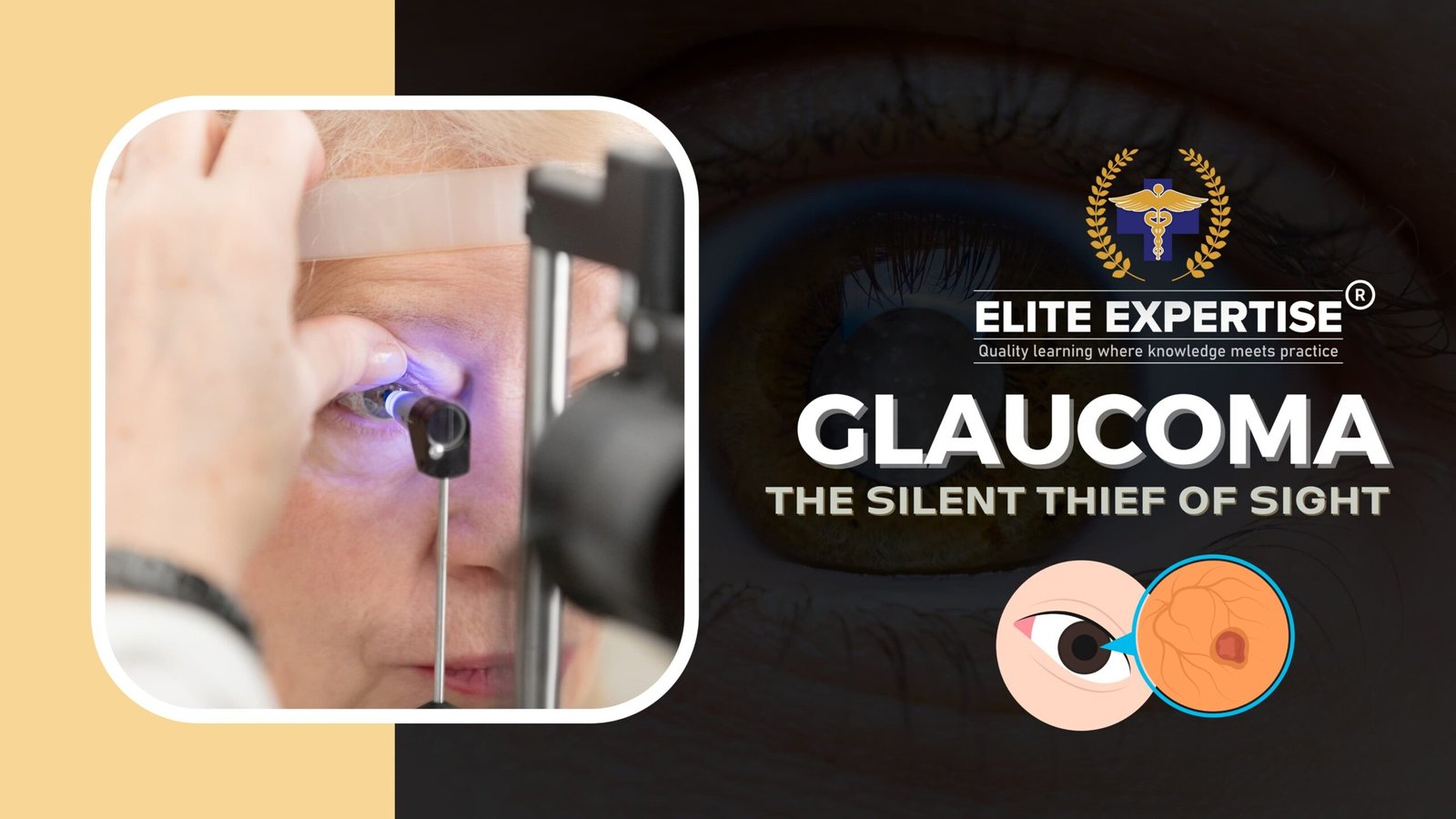
    A group of eye disorders known as glaucoma damages the optic nerve, usually resulting in vision loss and blindness. The treatment should not be neglected. This is the second most occurring cause of blindness globally. Usually developing without obvious symptoms in its early stages, glaucoma is referred to as the “silent thief of sight,” thus regular eye exams are crucial for early identification and treatment. This is one of the important topics in all the licensure exams, like the OPRA exam (Australia, New Zealand), the PEBC exam (Canada), the PSI equivalence exam (Ireland), and so on.

    Types of Glaucoma

    Glaucomas most often occurring type is:

    1. Primary Open-Angle Glaucoma (POAG)

    This is the most commonly occurring kind of glaucoma. It occurs as the eye’s drainage canals gradually clog over time. This leads Raised intraocular pressure (IOP) follows from this. Most people will not be able to detect any early-stage symptoms, as this process occurs quite slowly. There will have been notable damage by the time the patient encounters vision issues. Regular eye exams help to prevent this and help to control the matter before any major damage results.

    2. Angle-Closure Glaucoma

    Also called closed-angle glaucoma, this condition results from a sudden rise in eye pressure brought on by a blocked drainage angle in the eye. Considered a medical emergency, this needs quick treatment to stop lifelong vision loss.

    3. Normal-tension glaucoma

    In this condition, the optic nerve is damaged despite normal eye pressure levels. The exact cause is not well understood, but factors such as reduced blood flow to the optic nerve may play a role.

    4. Glaucoma from Birth

    Because of aberrant eye development, this rare type affects infants and young children. 4. Congenital Glaucoma

    man in white dress shirt holding white box

    Causes and Risk Factors

    Glaucoma is primarily caused by increased intraocular pressure, which can damage the optic nerve. However, several risk factors can contribute to its development, including:

    Age: People over 60 are at a higher risk.

    Family History: A genetic predisposition increases the likelihood of developing glaucoma.

    Ethnicity: African Americans, Hispanics, and Asians have a higher risk of certain types of glaucoma.

    Medical Conditions: Conditions like diabetes, high blood pressure, and heart disease may increase the risk.

    Prolonged Use of Steroids: Long-term use of corticosteroids, particularly eye drops, may contribute to glaucoma development.

    Symptoms of Glaucoma

    In the early stages, glaucoma often has no noticeable symptoms. However, as the disease progresses, patients may experience:

    • Loss of peripheral (side) vision

    • Blurred vision

    • Seeing halos around lights

    • Eye pain and redness (especially in angle-closure glaucoma)

    • Headaches and nausea (in acute cases)

    Diagnosis and Treatment

    Diagnosis

    Regular eye exams are crucial for detecting glaucoma early. Common diagnostic tests include:

    Tonometry: measures intraocular pressure.

    Ophthalmoscopy: Examines the optic nerve for damage.

    • Perimetry (Visual Field Test): Assesses peripheral vision loss.

    • Gonioscopy: evaluates the drainage angle in the eye.

    Treatment Options

    While glaucoma cannot be cured, treatments can help slow its progression and preserve vision. These include:

    1. Medications

    Prescription eye drops are often the first line of treatment to reduce intraocular pressure by improving fluid drainage or decreasing fluid production.

    2. Laser Therapy

    Laser treatments, such as trabeculoplasty for open-angle glaucoma and iridotomy for angle-closure glaucoma, can help improve fluid drainage.

    3. Surgery

    For advanced cases, surgical procedures like trabeculectomy or implantation of drainage devices may be necessary to lower eye pressure.

    Prevention and Eye Health Tips

    While glaucoma cannot always be prevented, certain steps can reduce the risk or slow its progression:

    Regular Eye Exams: Early detection is key to preventing severe vision loss.

    Maintain a Healthy Lifestyle: Exercise, a balanced diet, and avoiding smoking can contribute to overall eye health.

    Protect Your Eyes: Wear protective eyewear to prevent injuries that could increase glaucoma risk.

    Follow Doctor’s Recommendations: Adhering to prescribed treatments and medication schedules is essential for managing the condition.

    Conclusion

    Glaucoma is a serious, progressive eye disease that can lead to permanent vision loss if left untreated. Since it often develops without early symptoms, regular eye check-ups are essential for early detection and intervention. Understanding glaucoma’s causes, risk factors, symptoms, and treatment options is not only crucial for maintaining good eye health but also vital for medical professionals preparing for the OPRA exam.

    For those studying for the OPRA exam or other medical licensure tests, mastering glaucoma-related concepts is essential. Questions about glaucoma diagnosis, treatment, and risk factors frequently appear in these exams, making in-depth knowledge key to success.

    If you are a healthcare professional or a student preparing for the OPRA exam, ensure you stay updated on the latest guidelines and treatment protocols. Awareness, early diagnosis, and proper management can help prevent blindness and ensure better patient care.

    Frequently Asked Questions (FAQs) on Glaucoma

    Q1: Can glaucoma be cured?

    A: No, glaucoma cannot be cured. However, early detection and treatment can help slow its progression and prevent significant vision loss.

    Q2: What are the first signs of glaucoma?

    A: In the early stages, glaucoma often has no symptoms. As it progresses, symptoms may include blurred vision, loss of peripheral vision, seeing halos around lights, and eye pain.

    Q3: Who is at the highest risk for glaucoma?

    A: People over 60, those with a family history of glaucoma, individuals with diabetes or high blood pressure, and certain ethnic groups (African Americans, Hispanics, and Asians) are at a higher risk.

    Q4: How is glaucoma diagnosed?

    A: Eye doctors use several tests, including tonometry (measuring eye pressure), ophthalmoscopy (examining the optic nerve), and perimetry (testing peripheral vision), to diagnose glaucoma.

    Q5: What are the best treatment options for glaucoma?

    A: Treatments include prescription eye drops, laser therapy, and surgery. The goal is to reduce intraocular pressure and prevent further nerve damage.

    Q6: Why is glaucoma knowledge important for the OPRA exam?

    A: The OPRA exam covers essential ophthalmology topics, including glaucoma diagnosis, risk factors, and treatment. Understanding glaucoma is crucial for medical professionals preparing for licensure exams in Australia and New Zealand.

    This blog is for informational purposes only and reflects our own views and interpretations. While we strive for accuracy, guidelines and requirements may change. Readers are advised to verify information with official sources such as the Australian Pharmacy Council (APC) and Ahpra before making any decisions. We do not take responsibility for any actions taken based on the information provided.

    ⚠️ Disclaimer

    About the Author

    Sahana Rao

    Sahana Chinthapatla is renowned for her expertise in scientific and medical writing, backed by an MPharm in Pharmacology and years of experience in research analysis and scientific writing.

    As the Head Business Writer at Elite Expertise, she provides insightful and well-researched content on KAPS, OPRA, PEBC, PSI and global pharmacy pathways, guiding aspiring pharmacists in their professional journeys.

    Follow On

    Head Business Writer | Elite Expertise

  • Indian pharmacist work and migration to Australia

    Indian pharmacist migration to Australia -opraexam 2025

    Become a Pharmacist in Australia: A Step-by-Step Guide for Overseas Candidates.
    Are you thinking of becoming a pharmacist in Australia, but you’re from another country? Don’t worry, we are there to guide you!

    Here’s What You Need to Do:
    1. Skills Assessment: It is like a report card for your pharmacy experience.
    2. Pass the OPRA Exam: A specialized exam designed to test the skills of a pharmacist.
    3. Apply for a Visa: This visa gives you the right to live and work in Australia.
    4. Internship: Practical job training to help you become a registered pharmacist.
    5. Registered Pharmacist: Finally, a registered pharmacist in Australia.
    Elite Expertise can help you do all that through these five steps with expert guidance.
    We can help you in this process through the expert guidance of Elite Expertise. Let’s get started on your pharmacy career path in Australia!

    Move to Australia:
    A Dream Come True for Every Pharmacist!
    Are you a pharmacist looking to work abroad with the highest package? Australia is a wonderful place to live and work, as it offers work-life balance, top-notch hospitals, and exciting job opportunities.Why migrate to Australia as a pharmacist?
    – Enjoy work-life balance.
    – Work with the latest healthcare technology.
    – Advance your pharmacy career

    Ready to Move?
    As an overseas pharmacist who wishes to work in Australia as a pharmacist, the whole process seems a bit overwhelming. But don’t worry, we have a step-by-step guide to help you get through the process.

    Why Australia for Your Pharmacy Career?
    Are you considering a move to Australia for your pharmacy career? Here are some compelling reasons to make the switch:

    1. High Demand for Pharmacists
    Currently, there exist candidate shortages for pharmacists in various domains in Australia, creating wonderful job opportunities, making it an ideal time to join the workforce.

    2. Average and Competitive Salaries
    A pharmacist in Australia would earn AUD 80,000 to AUD 120,000, but that is dependent on the individual’s level of experience and area of training.

    3. Good Work-Life Balance
    Enjoy flexible work hours and a better balance between work and personal life. Choose from full-time, part-time, or locum positions that suit your lifestyle perfectly.4. Pathway to Permanent Residency As pharmacy is listed on Australia’s Skilled Occupation List, you may be eligible for visa options that lead to permanent residency.

    STEPS TO BECOME A REGISTERED PHARMACIST IN AUSTRALIA

    Step 1: Skills Assessment To become a registered pharmacist in Australia, you need to start with a skills assessment. Here’s what you need to do:

    – Pharmacy Degree Verification: Make sure your degree is from a recognized university.
    – Application Fee: Pay AUD 810 for the assessment.

    The Australian Pharmacy Council (APC) will review your application to ensure you have the necessary qualifications and skills.

    Step 2: OPRA Exam
    Once your skills assessment is approved, you can move on to the Overseas Pharmacist Readiness Assessment (OPRA) exam.Here are some key points to know:

    – What is the OPRA exam?:

    The OPRA exam is a comprehensive assessment that tests your knowledge, skills, and competencies as a pharmacist.

    – Format of the OPRA exam:

    The OPRA exam consists of 120 multiple-choice questions.

    – Syllabus/Content of the OPRA exam:Topics Covered in OPRA Exam The OPRA exam assesses knowledge in the following areas:

    1. Biomedical Sciences—20% of questions
    2. Medicinal Chemistry and Biopharmaceutics—10% of questions
    3. Pharmacokinetics and Pharmacodynamics—10% of questions
    4. Pharmacology and Toxicology—15% of questions
    5. Therapeutics and Patient Care—45% of questionsThese topics are designed to test your knowledge and skills in pharmacy practice, which must meet Australian pharmacy practice standards.- Duration of the OPRA exam: The exam typically lasts for 2.5 hours.- OPRA exam dates: The exam is conducted 3 times a year, typically held in March, July, and November each year.- OPRA exam fees: You need to pay a fee of 2190 AUD to register for the OPRA exam.

    By understanding these key points, you increase your chances of preparing well for the OPRA exam, thus moving one step further into being registered as a pharmacist in Australia.

    Step 3: Provisional Registration & Visa Requirements
    Provisional Registration
    After passing the OPRA exam, apply for provisional registration with the Pharmacy Board of Australia (regulated by Ahpra).

    This registration allows you to complete supervised practice (internship) in Australia.

    How to Apply for Provisional Registration in Australia Here’s how to go about applying for provisional registration:

    1. On the Ahpra website: https://www.ahpra.gov.au/ Log into the Australian Health Practitioner Regulation Agency (Ahpra) with the help of your supervisor. 2. Fill out the application: Fill out the form for applying for provisional registration.3. Required Documents for Submission:
    – OPRA examination results
    – Current valid passport and similar identification documents
    – English proficiency tests
    – Criminal background check
    4. Pay the registration fees (2025):
    – AUD 135: application fee.
    – AUD 235: provisional registration fee.

    Visa Requirements
    To practice in Australia, a candidate must apply for the relevant visa. For this, you need to ensure visa requirements set by the Australian government.

    Step 4: Supervised Practice (Internship)
    Learn Practical Experience
    Now start your internship under a registered pharmacist (preceptor). This experience allows you an opportunity to do the following:
    – Understand the Australian healthcare system.
    – Learn practical skills.

    Internship Details
    – Duration: 1,575 hours of practical learning (around 1 year of full-time work).
    – Intern Training Programs (ITP): Registration for an approved program offered by the Pharmaceutical Society of Australia (PSA).Intern Written & Oral Exams Assessment Time
    After completing at least 75% of your internship hours, you’re eligible for the:

    1. Intern Written Exam
    2. Intern Oral Exam

    Intern Written Exam
    – Conducted by: Australian Pharmacy Council (APC).
    – Exam Fee: Approximately AUD 770 per attempt
    – Exam Dates: Held 3 times a year:
    February
    June
    October

    2025 Intern Written Exam Dates
    February Intern Written Exam Dates
    – Registration: 7 January – 27 January 2025
    – Exam Dates: 17 – 18 February 2025
    – Results Released: 13 March 2025

    June Intern Written Exam Dates
    – Registration: 18 March – 19 May 2025
    – Exam Dates: 16 – 17 June 2025
    – Results Released: 10 July 2025

    October Intern Written Exam Dates
    – Registration: 15 July – 1 September 2025
    – Exam Dates: 6 – 8 October 2025
    – Results Released: 30 October 2025

    Intern Oral Exam
    – The intern oral exam is conducted by the Pharmacy Board of Australia.
    – For practical knowledge, which includes:
    Case study
    Patient history taking
    Ethical decision-making based on the patient condition

    – Intern Oral Exam Fees: approximately AUD 415 for 1 attempt.


    Step 5: Application for General Registration

    Final Step to Become a Registered Pharmacist in Australia After you complete your internship and take your intern exams, you will be eligible to apply for general registration for AHPRA.

    Steps on how to apply for general registration

    1. Online Application: Create an application on the AHPRA website.
    2. Internship Completion Certificate: Upload your intern certificate on the AHPRA website.
    3. Exam Results and ID Documents: Attach your intern exam results as well as identification documents, which are required as per AHPRA.
    4. Registration Fees: 470 AUD.
    5. Application Approval: Once you get approval, finally, you will officially be a registered pharmacist in Australia.

    Why Choose Elite Expertise for OPRA Exam Preparation?

    Elite Expertise is one of the top and best choices for OPRA exam preparation:

    Experienced Educators
    – Learn from accredited consultant clinical pharmacists, Australia

    The educators are :- Mr Arief Mohammad

    Mrs Harika Bheemavarapu

    – With years of experience teaching thousands of students across the world
    – Expertise in teaching various licensure exams (KAPS, OPRA, PEBC, PSI) for countries like Australia, New Zealand, Canada, and Ireland
    Comprehensive and detailed study materials
    – Mock exams
    – Detailed handouts covering all the subjects

    E-Learning
    – Live interactive lectures
    – Recorded lectures
    – Study anytime, anywhere based on your schedule and flexibility.

    High Success Rate
    – Above 95% of students passed the KAPS exam on their first attempt.
    – Check out the student reviews and testimonials.

    Join Elite Expertise today and start your pharmacy career in Australia by enrolling in the OPRA Preparation Course!

    Conclusion
    “The OPRA exam is an important stepping stone for overseas pharmacists who wish to work as pharmacists in Australia. With Elite Expertise’s comprehensive study materials, flexible learning options (live interactive sessions & recorded lectures), and experienced educators MR. Arief Mohammad and MRS. Harika Bheemavarapu, you’ll be well-prepared to succeed. Join the thousands of students who have achieved a 95% on their first attempt with Elite Expertise.
    Master the OPRA exam and begin your pharmacy career in Australia. Learn more about OPRA exam preparation and registration procedures now!

  • Best 15 Pharmacy Courses to Boost Your Career in 2025

    15 Top Pharmacy Courses in 2025

    The pharmacy field is dynamic and continuously evolving, which caters to different specializations to improve their expertise. If you are a candidate looking for trending pharmacy courses, top-paying pharmacy courses, or top-demanding pharmacy courses, selecting the right course or specialization according to your interest can improve your career path in the future. In this blog, let’s throw some light on the best pharmacy courses worldwide, including top pharmacy courses in Australia and the best pharmacy courses in Canada. These courses help pharmacists specialize in different areas of healthcare, improve patient care, and increase job opportunities.

    At Elite Expertise, we provide guidance and training for aspiring pharmacists, helping them prepare for professional licensure exams like the OPRA exam, PEBC exam, PSI equivalence exam, and certifications required to advance in their careers in countries like Australia, New Zealand, Canada, and Ireland respectively. Information is the key, and Elite Expertise always tries to improve the skills and advancements in the field of pharmacy through the blogs, helping the aspiring pharmacist take better decisions in their career path.

    Let’s quickly run through the courses now:

    1. Clinical Pharmacy

    Clinical Pharmacy is a discipline that focuses on the safe and effective use of medications. Clinical pharmacists in this field work directly with healthcare professionals to provide personalized drug therapy and ensure safe, effective treatment plans for patients and also promote wellness, prevent disease, and optimize medical therapy.

    2. Pharmaceutical Biotechnology

    Pharmaceutical Biotechnology is relatively a new and degrowing field in which the principles fo biotechnology are applied to drug development. In this course, biotechnology and pharmacy are integrated to develop new drugs, vaccines, and diagnostic tools. Genetic engineering, biopharmaceutical production, and molecular biology methods that are used in drug development are focused here in this course.

    3. Pharmacogenomics

    Pharmacogenomics is a study of how a person’s genes affect an individual’s response to drugs. It is a field of precision medicine that aims to tailor medical treatment to each person. This field studies genetic variations to predict drug efficacy and minimize adverse effects, improving treatment outcomes.

    4. Regulatory Affairs

    Regulatory affairs is a discipline that ensures that products and services meet regulatory standards. It applies to the development, testing, manufacturing, marketing, and distribution of food, drugs, and medical products. Regulatory Affairs professionals ensure drug safety, legal compliance, and market approvals. This specialization covers the regulatory framework for pharmaceuticals, clinical trial approvals, and drug licensing procedures.

    At Elite Expertise, we offer preparatory courses to help students understand the regulatory landscape and navigate compliance processes efficiently. Join our course today for a better career in regulatory affairs tomorrow.

    Looking for the best pharmacy certifications? Check out : Regulatory Affairs Course

    5. Drug Safety and Pharmacovigilance

    This course focuses on monitoring and preventing adverse drug reactions. Pharmacists in this field assess drug safety profiles, report side effects, and contribute to the development of safer medications.

    6. Oncology Pharmacy

    Oncology pharmacists specialize in cancer treatment medications. They work closely with oncologists to manage chemotherapy drugs, monitor side effects, and provide medication counseling to cancer patients.

    7. Pediatric Pharmacy

    This specialization focuses on medications for children. Pediatric pharmacists ensure accurate drug dosing, prevent adverse reactions in infants and children, and develop age-appropriate formulations.

    8. Geriatric Pharmacy

    Geriatric pharmacists focus on medications for elderly patients. They specialize in managing polypharmacy, adjusting drug dosages based on aging-related changes, and improving medication adherence in older adults.

    9. Immunology and Vaccine Pharmacy

    This course deals with vaccine development and immunotherapy. Pharmacists in this field work on vaccine storage, distribution, and administration, ensuring public health safety.

    10. Pharmacoeconomics

    Pharmacoeconomics studies cost-effectiveness in healthcare. It evaluates the economic impact of drug therapies and healthcare interventions to optimize spending and improve patient outcomes.

    11. Digital Health and Telepharmacy

    This course covers virtual patient care and e-prescriptions. Telepharmacists provide remote consultations, monitor medication therapy, and improve accessibility to pharmaceutical care through digital platforms.

    Elite Expertise provides training in telepharmacy and digital health advancements, preparing pharmacists for emerging career opportunities.

    12. Pharmaceutical Marketing

    This course focuses on marketing strategies for pharmaceutical products. It covers branding, market research, and sales strategies used in the pharmaceutical industry.

    13. Hospital Pharmacy Management

    Hospital Pharmacy Management covers medication distribution in hospitals. It involves inventory control, patient safety initiatives, and collaboration with healthcare teams to optimize hospital pharmacy services.

    14. Natural Medicines and Herbal Pharmacology

    This course focuses on herbal medicines and alternative therapies. It explores plant-based remedies, their therapeutic applications, and the integration of herbal pharmacology into modern medicine.

    15. Advanced Pharmacy Practice

    This course prepares pharmacists for clinical leadership roles. It includes patient counseling, therapeutic decision-making, and managing pharmacy services in advanced practice settings.

    At Elite Expertise, we help pharmacists transition into advanced practice roles by offering in-depth training and mentorship.

    Conclusion

    Choosing the right specialization can open doors to high-paying, in-demand pharmacy jobs worldwide. Whether you want to pursue top pharmacy courses in Australia or the best pharmacy courses in Canada, these programs offer excellent career growth. Pharmacists can enhance their expertise, improve patient care, and explore global opportunities in healthcare.

    If you’re looking for the best certifications for pharmacists, Elite Expertise provides guidance, resources, and training programs to help you succeed in your pharmacy career. Connect with us today to take the next step toward your professional goals!

    Arief Mohammad

    Arief Mohammad

    About the Author

    Mr. Arief Mohammad is renowned for his excellent teaching skills and practice-based experience, which can contribute to developing practice-based knowledge for a learner. He has been a practicing pharmacist in Australia for the last 5 years and has been a preceptor to several students and intern pharmacists.

    Follow On

    Accredited Consultant PharmacistAustralia

  • OPRA Exam Pass Mark: Rasch method of Scoring OPRA exam

    Opra exam pass mark

    Are you a pharmacist? Are you aspiring to move overseas after you B.Pharm, M.Pharm, or PharmD but unable to decide which country is the best country suitable for a pharmacy career? Then I would suggest Australia is one of the best countries for pharmacists abroad. Starting your journey to become a pharmacist in Australia is both a worthy and challenging attempt. For overseas-trained pharmacists, knowing the pathway to registration in Australia is crucial. The Australian Pharmacy Council (APC) has recently introduced the Overseas Pharmacist Readiness Assessment (OPRA) exam, which was initially called the Knowledge Assessment of Pharmaceutical Sciences (KAPS) exam. This change creates a shift towards a stronger and fairer examination, ensuring that pharmacists are well-prepared to serve the Australian healthcare system.

    Why Choose the OPRA Exam?

    Australia’s healthcare system is known for its top-tier standards, and pharmacists play a very important role in sustaining these standards. For pharmacists abroad, the OPRA exam serves as a doorway to determine their capability and readiness to practice in Australia. Successfully clearing this OPRA exam not only opens doors to professional opportunities but also ensures that pharmacists are equipped to provide quality care in a diverse healthcare environment.

    KAPS Exam to OPRA Exam Changes: KAPS Exam Vs OPRA Exam:

    The KAPS exam has been the evaluating exam for many years now. However, to catch up to the evolving standards of Australian healthcare, the APC has now replaced LAPS exam with OPRA exam, which focuses on more practical aspects like patient care and therapeutics, etc.

    Refer to : https://www.eliteexpertise.com.au/

    Key Differences Between KAPS and OPRA:

    • Assessment Focus: The main focus of KAPS exam was into theoretical knowledge, which has changed to OPRA exam from this March 2025, with focus on both the skills like practical and the theory

    • Scoring Methodology: The OPRA exam uses the Rasch methodology, a sophisticated psychometric model that makes sure that all the different versions of the exam maintain fairness and consistency. This method provides a more precise measure of a candidate’s abilities.

    • Exam Structure: The OPRA exam is more focused and tests the key skills needed to work as a pharmacist in the Australian health care system.

    OPRA Exam Fee

    Before jumping into the journey of becoming a pharmacist abroad, its always better to have an understanding of the financial commitment. As per the latest information from the APC website, the OPRA exam fee is AUD 2,190. For candidates in India, this is approximately INR 1,21,000, depending on the current exchange rate as of 24 February 2025. There has been a reduction in the fees, which were previously 2,290 AUD for the KAPS exam, which is good news for the OPRA aspirants.

    NOTE: It’s always advisable to check the official APC website for the most up-to-date fee structure.

    OPRA Exam Format and Structure

    The OPRA exam is a

    • Computer-based assessment

    • Closed book (indicating no reference books allowed in the OPRA exam centers)

    • Comprising 120 multiple-choice questions

    • Duration of the OPRA exam is 2.5-hours

    • The questions are designed to evaluate a range of competencies, from foundational pharmaceutical knowledge to practical problem-solving skills relevant to the Australian healthcare context.

    Upcoming Exam Dates

    • The very first OPRA exam is going to be held on March 3rd, 2025.

    • If you were already aware of the date and have prepared well for the upcoming OPRA exam in March, well, good for you!

    • However, for candidates who have recently become aware of this opportunity, appearing for the March exam might be difficult.

    • The APC typically offers multiple exam sessions throughout the year. Here are the exam dates from the APC website:

    Refer to : https://www.pharmacycouncil.org.au/pharmacist/skills-assessment/new-zealand-opra-exam/

    Preparation Timeline

    Preparing for the OPRA exam requires a strategic approach. A preparation period of 3 to 6 months is generally sufficient, depending on individual backgrounds and study habits. This timeframe allows candidates to thoroughly understand the exam content, familiarize themselves with the question formats, and engage in ample practice sessions. This preparation is made easy by Elite expertise for you.

    Elite Expertise: Your Partner in Success

    At Elite Expertise, we are committed to guiding overseas pharmacists through their journey to practice in Australia. Our platform offers comprehensive preparation courses curated specifically for the OPRA exam.

    Our Track Record:

    Our success speaks volumes, and it speaks for itself. With a 95% success rate in the previous KAPS exams, our methodologies and resources have consistently empowered candidates to achieve their goals.

    Expert Trainers:

    Our team comprises seasoned professionals like Harika Bheemavarapu and Areif Mohammad, both accredited consultant clinical pharmacists in Australia. Their firsthand experience and insights into the Australian healthcare system provide candidates with invaluable guidance, ensuring they are well-prepared for both the exam and their future roles.

    What is the OPRA Exam Pass Mark?

    There is no specific pass mark for the OPAR exam. It differs for every candidate, and the results are published by the APC, indicating only pass or fail. To further understand your OPRA scoring, get to know your background about the Rasch methodology of scoring, which was previously used in COAP and intern exams but now in the OPRA exam too.

    Understanding the OPRA Exam Scoring

    The OPRA exam utilizes the Rasch scoring methodology, a model that ensures fairness and consistency across different exam versions.

    What is the Rasch Methodology?

    The Rasch model is a psychometric approach that analyzes both the difficulty of exam questions and the ability of candidates. Unlike traditional scoring systems that might simply tally correct answers, the Rasch model provides a scaled score, reflecting a candidate’s performance relative to the exam’s difficulty.

    Key Features of Rasch Scoring:

    • Fairness Across Exam Versions: By calibrating question difficulties, the Rasch model ensures that all candidates are assessed equitably, regardless of the specific set of questions they encounter.

    • Ability-focused Assessment: The model evaluates a candidate’s ability level, ensuring that the score accurately reflects their competence rather than just their test-taking skills.

    • Evidence-Based Standards: Passing scores are determined through rigorous psychometric analyses involving subject matter experts, ensuring that the benchmarks are both fair and reflective of the competencies required for practice.

    • It’s important to note that the APC does not provide specific exam scores to candidates. Instead, results are communicated as pass or fail, based on whether the candidate has met the established passing standard. This approach emphasizes competence and readiness for practice over numerical scores.

    • APC works with experts to ensure the OPRA exam is fair and reliable. The exam has 120 questions, with 90% being scored and counting toward your result. The remaining 10% are unscored and used for testing purposes. These unscored questions can be from any topic and are spread evenly across all five content areas. You won’t know which questions are scored and which are not.

    Preparing with the Rasch Model in Mind

    Understanding the nuances of the Rasch scoring methodology can enhance your preparation strategy:

    • Consistent Performance: Aim for consistent accuracy across all questions, as the model assesses overall ability rather than isolated correct answers.

    • Focus on Understanding: Deep comprehension of topics is crucial. Superficial memorization might not suffice, as questions are designed to assess practical application and critical thinking.

    • Practice with Purpose: Engage in practice exams that mirror the OPRA format. This not only familiarizes you with the question styles but also helps in building the stamina required for the 2.5-hour exam duration.

    Conclusion

    Transitioning to a professional practice in Australia as an overseas pharmacist is a commendable goal, and the OPRA exam is a pivotal step in this journey. Understanding the exam’s structure, scoring methodology, and effective preparation strategies can significantly enhance your chances of success.

    This blog is for informational purposes only and reflects our own views and interpretations. While we strive for accuracy, guidelines and requirements may change. Readers are advised to verify information with official sources such as the Australian Pharmacy Council (APC) and Ahpra before making any decisions. We do not take responsibility for any actions taken based on the information provided.

    ⚠️ Disclaimer

    Arief Mohammad

    About the Author

    Arief Mohammad

    Mr. Arief Mohammad is renowned for his excellent teaching skills and practice-based experience, which can contribute to developing practice-based knowledge for a learner. He has been a practicing pharmacist in Australia for the last 5 years and has been a preceptor to several students and intern pharmacists.

    Follow On

    Accredited Consultant PharmacistAustralia

  • Why Should You Consult a Pharmacist Before Buying Supplements

    Why should you consult a pharmacist?

    In today’s world of genetically modified vegetable, fruits and food that we consume, the supplements reaching the body’s requirement is not up to the mark. So, as a rescue to meet the body’s needs the use of dietary supplements has become progressively predominant. These nutritional gaps and an overall wellbeing can be attained from Supplemental vitamins and minerals to herbal extracts and nutraceuticals, these products provides various advantages. However, the decision to include supplements into one’s routine should not be taken lightly. Consulting a pharmacist before buying or taking the supplements is a critical step to confirm the safety, efficacy, and appropriateness. Pharmacists can provide valuable guidance in this area with their extensive knowledge of medications and health conditions.

    Supplement Consultation: Role of Pharmacists in it

    Before taking the supplements, it is always a necessity that one must consult a pharmacists as they assess the suitability a of a supplement for an individual patient keeping in mind the the patient’s conditions such as overall health, any medications that the patients is using currently or any other medical conditions. Pharmacists are healthcare experts qualified in the science of medications, including their composition, effects, and interactions. Their expertise extends beyond prescription drugs to over-the-counter (OTC) medications and dietary supplements.

    Guaranteeing Safety Through Professional Supervision

    The use of unsupervised supplement can be dangerous sometimes, as it may lead to adverse interactions with prescription or OTC medications that the patient is on which is one of the major concerns. Certain supplements can alter the effectiveness of medications or aggravate side effects. For Example, St. John’s Wort, commonly used for mild depression, can significantly reduce the efficacy of various medications, including those for heart disease, cancer, HIV, and birth control. Another example is, use of supplements such as ginkgo biloba or high-dose vitamin E can increase the risk of internal bleeding or stroke when taken in combination with blood-thinning medications like warfarin. fda.gov.

    By consulting a pharmacist, individuals can receive personalized advice on potential interactions. Pharmacists can review a patient’s medication profile and medical history to identify any contraindications, ensuring that the chosen supplement does not compromise existing therapies or health conditions.

    Navigating the Complexities of Supplement Quality and Efficacy

    The dietary supplement market is vast and varied, with products differing significantly in quality, potency, and purity. Unlike prescription medications, supplements are not subject to the same rigorous regulatory standards, leading to concerns about contamination, mislabeling, and false health claims. A study highlighted that dietary supplements are not regulated by the FDA as strictly as drugs, leading to potential quality control issues such as contamination and inaccurate labeling.

    Pharmacists can guide patients in selecting high-quality supplements by recommending products that have undergone third-party verification. Certifications from organizations such as the U.S. Pharmacopeia (USP) indicate that a supplement has been tested for purity and potency, ensuring that it contains the ingredients listed on the label without harmful contaminants. Pharmacists should inform their patients that purchasing USP Verified products is the best way to help ensure that what’s on the label is what’s in the bottle.

    Personalized Recommendations Based on Individual Health Needs

    Every individual has unique health needs and goals. Factors such as age, gender, medical history, dietary habits, and lifestyle choices influence the necessity and suitability of specific supplements. For example, while vitamin D supplementation might be beneficial for individuals with limited sun exposure, excessive intake can lead to toxicity. Pharmacists can assess these individual factors and provide tailored recommendations, ensuring that the chosen supplement aligns with the patient’s specific health objectives and does not pose unnecessary risks.

    Educating Patients on Proper Supplement Use

    Misuse of supplements, whether through incorrect dosing, timing, or duration, can lead to adverse effects or diminished benefits. Pharmacists play a vital role in educating patients on the appropriate use of supplements. This includes providing instructions on proper dosing, advising on the optimal time of day for consumption, and discussing whether to take the supplement with food or on an empty stomach. Additionally, pharmacists can inform patients about potential side effects and what to do in case they occur. This education empowers patients to use supplements safely and effectively.

    Monitoring and Managing Adverse Effects

    Even with careful selection and proper use, some individuals may experience adverse reactions to certain supplements. Pharmacists are equipped to monitor for these effects and manage them appropriately. They can provide guidance on whether to discontinue a supplement, adjust the dosage, or seek further medical evaluation. Moreover, pharmacists can report adverse events to regulatory bodies, contributing to the broader understanding of supplement safety and informing future recommendations.

    Bridging the Communication Gap Between Patients and Healthcare Providers

    Many patients do not disclose their supplement use to their healthcare providers, often due to the misconception that natural products are inherently safe or the belief that supplements are not relevant to their medical care. This lack of communication can lead to incomplete medical records and increased risk of adverse interactions. Pharmacists can bridge this gap by encouraging open dialogue about supplement use. They can document this information in the patient’s health records and communicate relevant details to other healthcare providers, fostering a collaborative approach to patient care.

    Staying Informed Amidst Evolving Evidence

    The field of dietary supplements is continually evolving, with new products entering the market and ongoing research shedding light on their effects. Pharmacists are committed to staying abreast of the latest scientific evidence and regulatory updates. This dedication ensures that the guidance they provide is based on current, evidence-based information, enabling patients to make informed decisions about supplement use.

    Conclusion

    Incorporating dietary supplements into one’s health regimen is a decision that carries significant implications. While these products can offer benefits, they also pose potential risks, especially when used without professional guidance. Pharmacists, with their extensive training and expertise, are invaluable resources in navigating the complexities of supplement use. By consulting a pharmacist, individuals can ensure that their choices are safe, effective, and tailored to their unique health needs. This collaborative approach not only enhances patient safety but also promotes optimal health outcomes.

    About the Author

    Sahana Rao

    Sahana Chinthapatla is renowned for her expertise in scientific and medical writing, backed by an MPharm in Pharmacology and years of experience in research analysis and scientific writing.

    As the Head Business Writer at Elite Expertise, she provides insightful and well-researched content on KAPS, OPRA, PEBC, PSI and global pharmacy pathways, guiding aspiring pharmacists in their professional journeys.

    Follow On

    Head Business Writer | Elite Expertise