Blog

  • Student Visa vs. Permanent Residency in Australia for Pharmacists: Which Path is Right for You?

    If you’re an international student or a qualified pharmacist aiming to settle in Australia, understanding the difference between a student visa and permanent residency (PR) is crucial. These two pathways come with unique benefits, requirements, and implications for your long-term career.

    Whether you’re planning to gain local qualifications or directly enter the workforce, this guide will help you navigate your options effectively.

    What are the benefits of a student visa?

    Obtaining a student visa allows you to study at some of Australia’s top educational institutions. Here are some key benefits.

    • Access to Quality Education: Australia is home to world-class universities offering dedicated programs in pharmacy.

    • Work Rights: While on a student visa, you can work part-time, allowing you to gain valuable experience in the pharmaceutical industry.

    • Networking Opportunities: Being a student allows you to connect with professionals and build a network, crucial for your future career in Australia.

    Requirement for obtaining a student visa

    To apply for a student visa, you must meet several requirements:

    1. Get enrolled in a Registered Course: You need to be accepted into a full-time program that is registered with the Australian Government.

    2. Financial Capacity: You must demonstrate that you have sufficient funds to support your living and tuition costs.

    3. Health Insurance: Obtaining Overseas Student health Cover (OSHC) is mandatory for international students.

    4. Genuine Temporary Entrant (GTE) Requirement: You must prove your genuine intent to study in Australia and return to home country after completing your education.

    Pathways to Achieve PR

    For Pharmacists, there are various pathways to obtaining PR:

    1. Skilled migration program:

    Pharmacists are in high demand in Australia; thus, they fall under the category of Critical Skilled Occupation List (CSOL)

    Steps involved in applying for a Skilled Migration Visa (Like Subclass 190 or 491) for an internationally qualified pharmacist includes:

    • Get the skills assessment done with personal as well as academic documents through Australian pharmacy council (APC). They assess whether a candidate’s qualifications meet Australian standards.

    • Successfully pass the Overseas Pharmacist Readiness Assessment Examination (OPRA)

    The OPRA examination is a pivotal assessment designed to evaluate internationally trained candidates knowledge, skills and expertise in their pharmacy field. This examination serves as a gateway for pharmacists seeking career advancement, offering them the opportunities to validate their competencies and enhance their credentials.

    At Elite Expertise, we are committed to provide top-quality training for aspiring professionals preparing for OPRA exam, Australian Intern Exams and English Proficiency Test like PTE. Our Programs are designed with a strong focus on enhancing the practical skills of pharmacists under the guidance of our directors and educators Mr Arief Mohammad & Mrs. Harika Bheemavarpu –they provide personalized coaching with their real-life experience for developing exam strategies. With experienced instructors and a supportive learning environment, we ensure that every student is well-equipped to achieve success.

    To know more about the OPRA exam, visit the website below: https://www.eliteexpertise.com.au/

    • Get a skills assessment outcome letter from APC

    • Meet the English Requirements: To be considered in Australian Permanent residency (PR) with a PTE academic score, you need minimum score of 65 in each component of the test. Beside PTE, IELTS & OET are also accepted for Australian PR, with their respective score requirement.

    • Apply EOI (Expression of Interest) in the official website of Australian immigration skills select. The link attached below is where you have to submit your EOI. https://immi.homeaffairs.gov.au/visas/working-in-australia/skillselect/expression-of-interest

    • Submission of EOI is done for mainly 3 different visas

      • Skilled independent (subclass 189) visa

      • Skilled nominated (Subclass 190) visa

      • Skilled work regional (Subclass 491) visa

    • The next step would be receiving an invitation for your EOI. If you are invited, you have 60 days from the date of invitation to complete & submit the visa application.

    • Receive a visa and migrate to Australia. Live, work & settle in Australia permanently with any of these visa grants with all the benefits of PR that the country offers.

    💡 Related Read:
    Visa Options for Pharmacists
    2. Employer-Sponsored visa

    In Australia, employer-sponsored visas allow skilled workers to live and work in the country, with options for both temporary & permanent residency, depending on the visa subclass.

    Here’s a breakdown of key employer-sponsored visas:

    • Employer Nomination Scheme (Subclass 186)

    This visa slows skilled workers, nominated by an Australian employer, to live and work permanently in Australia.

    It has 2 streams: Direct Entry and temporary transition.

    The employer must nominate the employee.

    • Regional Sponsored Migration Scheme (Subclass 187)

    This visa is for skilled workers nominated by an Australian employer to work in regional Australia.

    • Skilled Employer sponsored Regional (Provisional) Visa (Subclass 494)

    This visa allows an individual to work in a regional part of Australia for up to five years, with the possibility of transitioning to permanent residency.

    Comparing Student Visa & PR Visa for Pharmacists

    Both pathways have their distinct characteristics that can cater to different needs:

    Making the Right Choice

    Choosing between a student visas VS PR visa for pharmacists in Australia largely depends on your career goals and current situation.

    · If your primary goal is to gain qualifications and enter the Australian workforce, starting with a student visa may be the more beneficial choice. It provides not only education but also work experience and networking opportunities.

    · If you are already qualified and looking for long-term stability, pursuing PR might align better with your goals.

    Consider seeking guidance from an authorised recruiter (such as Raven’s Recruitment) or career counsellor who specializes in pharmacy careers in Australia for tailored advice.

    Candidates can also consider getting consultation from an authorised migration agent for visa process assistance and guidance. The below given link will give you an idea about finding a registered agent who is authorised with Australian Immigration. They are genuine and trustworthy.

    https://www.mara.gov.au/get-help-visa-subsite/Files/find-registered-migration-agent.pdf

    https://portal.mara.gov.au/search-the-register-of-migration-agents/

    Conclusion

    Navigating your career path as a pharmacist in Australia starts with understanding the right visa choice—whether it’s a student visa for building credentials and gaining local experience or permanent residency for long-term stability and opportunities.

    No matter which path you choose, Elite Expertise is here to support your journey. With specialized training programs for the OPRA exam, PTE, and intern pharmacist exams, Elite Expertise ensures that international candidates are equipped with the knowledge, confidence, and practical skills they need to succeed.

    By leveraging expert coaching, real-world strategies, and a supportive learning environment, Elite Expertise helps aspiring pharmacists make their Australian dream a reality.

    Take the first step toward your future today—explore your visa options, prepare with the right training, and set yourself up for success in Australia.

    About the Author

    Krupa Karamchand

    Krupa Karamchand is a B. Pharm graduate and KAPS-qualified pharmacist with over 7 years of experience in the pharmaceutical field. As an experienced SEO content writer, she combines her in-depth healthcare knowledge with proven digital strategies to create informative, engaging, and search engine–optimized blogs. Krupa is passionate about making complex medical topics easy to understand and accessible to all readers.

    Follow On

    Content Writer | Elite Expertise

  • Everything You Should Know About Ozempic for Diabetes and Off-Label Weight Loss

    Ozempic was first used mostly in diabetes clinics, but now it’s making headlines with celebrities, on social media, and in everyday health discussions. It was originally approved to treat type 2 diabetes, but many people are now talking about how it may help with weight loss—even though that’s not its main purpose.

    In this comprehensive guide from Elite Expertise, we break down everything you should know about Ozempic — how it works, who it’s intended for, what the science says about weight loss, and whether it might be right for you.

    What is Ozempic?

    Developed by Novo Nordisk, the brand name for the drug Semaglutide is Ozempic, a prescription drug. Originally approved for management of type 2 diabetes by FDA in the United States and the Therapeutic Goods Administration (TGA) in Australia.

    Ozempic falls into a class of medications known as Glucagon-Like Peptide-1 or GLP-1 receptor agonists. Usually used along with diet and exercise to improve blood sugar levels, it is given as a once-weekly injection.

    How Does Ozempic Affect Us?

    Ozempic replicates a hormone called GLP-1 generated by your body in the gut in response to eating.

    It supports by:

    • Boosting insulin release (only in response to high blood sugar).

    • It also reduces the amount of sugar produced by the liver generates.

    • Slow down stomach emptying to prolong feeling of fullness.

    • Turn off hunger to prevent weight loss.

    Ozempic is becoming well-known outside of diabetic patients since these effects help not only with diabetes management but also with weight control.

    For what reason is Ozempic used?

    Adults with type 2 diabetes who have not been able to reach their target blood sugar levels with lifestyle changes and other oral medications are mostly advised to use Ozempic.

    It could also be taken under consideration for:

    • Overweight or obese people (with or without diabetes) under off-label usage.

    • Patients at cardiovascular risk—Ozempic has shown advantages in lowering heart-related complications in diabetic patients.

    • Ozempic should not be taken by those with type 1 diabetes or diabetic ketoacidosis.

    Is Ozempic a weight-loss medication?

    Technically, no. Although Ozempic is approved to control blood sugar in type 2 diabetes, many patients side effects include notable weight loss. Its increasing off-label use for weight loss follows from this. Actually, several nations have especially approved a higher-dose form of semaglutide for treatment of obesity, under the brand name Wegovy.

    Using Ozempic: How Do You Take It?

    Once a week, Ozempic is self-administered using a pre-filled injection pen either with or without food. Typical dosages consist:

    • Starting (for the first four weeks) 0.25 mg

    • Maintenance calls for 0.5 mg to 1.0 mg.

    • Under medical supervision some patients may be raised to 2.0 mg.

    • Rotating injection sites—abdomen, thigh, or upper arm—as advised by your doctor is crucial, as is always following their advice on dose escalation.

    Typical Ozempic Side Effects

    Ozempic has possible side effects, much as any medicine.

    The most often occurring ones are:

    • Dizziness

    • Vomiting

    • Diarrhoea

    • Constipation

    • Headache

    • Loss of appetite

    Usually mild, side effects get better with time. Rare but major hazards, though, include:

    • Pancreatitis

    • Gall bladder issues

    • Kidney problems

    • Possible thyroid tumours risk (derived from animal research)

    Key Variations of Ozempic vs Wegovy

    Ozempic has gone from being a treatment for type 2 diabetes to a widely discussed option for weight control—even though weight loss is not its original purpose. Its ability to lower blood sugar, reduce appetite, and support better health has made it a valuable tool for many patients.

    However, it’s important to remember that Ozempic is a prescription medication, and its use—especially for off-label weight loss—should always be supervised by a healthcare professional. Like any drug, it has benefits and risks that need to be carefully considered.

    At Elite Expertise, we believe that the best health decisions are made with accurate, easy-to-understand information. Whether you’re managing diabetes or exploring weight loss options, knowing how Ozempic works can help you talk to your doctor with confidence and make the choice that’s right for you.

    This blog is for informational purposes only and reflects the views and interpretations of Elite Expertise regarding Ozempic and its uses. While we strive to provide accurate and up-to-date medical insights, please note that medication guidelines, regulatory approvals, and treatment practices may vary by country and can change over time. Elite Expertise does not accept responsibility for any medical decisions made based on the information provided in this article. Always consult a qualified healthcare professional before starting or changing any medication.

    ⚠️ Disclaimer

    About the Author

    Sahana Rao

    Sahana Chinthapatla is renowned for her expertise in scientific and medical writing, backed by an MPharm in Pharmacology and years of experience in research analysis and scientific writing.

    As the Head Business Writer at Elite Expertise, she provides insightful and well-researched content on KAPS, OPRA, PEBC, PSI and global pharmacy pathways, guiding aspiring pharmacists in their professional journeys.

    Follow On

    Head Business Writer | Elite Expertise

  • M.Pharm in Australia vs OPRA Pathway: Best Route to Become a Pharmacist in 2025

    M.Pharm in Australia  vs  OPRA Pathway

    Dreaming of becoming a registered pharmacist in Australia but confused about which route to take? You’re not alone. Thousands of pharmacy graduates across the globe find themselves stuck between two major options: pursuing an M.Pharm degree in Australia or qualifying through the OPRA (Overseas Pharmacist Readiness Assessment) pathway.

    Both paths can lead you to the same destination — a successful pharmacy career in Australia — but they differ greatly in terms of cost, timeline, eligibility, and long-term benefits. Whether you’re aiming for a faster route or a more academic one, this guide breaks down everything you need to know to make the right choice based on your career goals, budget, and timeline.

    Read on as we compare the M.Pharm vs OPRA pathway to help you make an informed, future-proof decision.

    Pathway 1: Pursuing An M.Pharm Degree In Australia

    An M.Pharm (Master of Pharmacy) is a postgraduate degree that provides additional and advanced education in pharmaceutical sciences, clinical pharmacy, and patient care.

    This career route is an ideal one for pharmacy graduates who wish to pursue higher education while at the same time preparing for registration in Australia.

    Eligibility For M.Pharm In Australia

    To qualify as a candidate for an M.Pharm degree in Australia, you must fulfill the following requirements:

    • Have a Bachelor of Pharmacy (B.Pharm) or an equivalent pharmacy degree.

    • Have a proof demonstrating your proficiency in English (IELTS: 7.0 overall, with no section below 7).

    Pass the Intern Written and Oral Exams:

    Next, the candidate must clear the Pharmacy Board of Australia’s written and oral exams to qualify as a registered pharmacist in Australia.

    Apply for General Registration:

    Lastly, the candidate should submit all their documents to AHPRA (Australian Health Practitioner Regulation Agency) to obtain full pharmacist registration.

    Cost of M.Pharm in Australia

    Here is a cost breakdown for pursuing an M.Pharm degree in Australia:

    Pros of Pursuing an M.Pharm in Australia

    In a nutshell, here are some advantages of pursuing an M.Pharm degree in Australia:

    • Direct Registration Pathway: A degree in M.Pharm is considered to be a simplified process towards full pharmacist registration in Australia.

    • Post-Study Work Visa: Upon completing the degree, a candidate is considered eligible for a 2-4 year work visa in Australia, which is a brilliant career prospect.

    • Career Opportunities: As an M.Pharm, you can get several work opportunities to work in hospital pharmacies, research settings, and even in community health.

    Cons of Pursuing an M.Pharm in Australia

    On the other hand, there are also some downsides or disadvantages of pursuing a degree in M.Pharm in Australia, and these include:

    • High Costs: The tuition fee and the living expenses can exceed AUD 100,000, which is a significant amount considering the status of a foreign graduate.

    • Time-Intensive: For people looking for a short-term plan, this might not be the best option since the degree program requires 2 years of study along with 1 year of supervised internship.

    • English Proficiency: There are set requirements for qualifying for the M.Pharm degree, such as having a high language proficiency in English (IELTS 7.0).

    Pathway 2: Migrating to Australia via the OPRA Exam

    The OPRA (Overseas Pharmacist Readiness Assessment) exam is a faster, more affordable, and newer route for becoming a registered pharmacist in Australia for overseas-trained, foreign pharmacists.

    This exam revolves around assessing your biomedical, pharmaceutical, and clinical knowledge, which is a mandatory requirement needed for safe and effective practice in Australia.

    Eligibility for the OPRA Exam

    To be considered an eligible candidate for the OPRA exam, you must:

    • Have a Bachelor of Pharmacy (B.Pharm) or Doctor of Pharmacy (Pharm.D) degree.

    • Be registered (or at least be eligible to register) as a pharmacist in your home country.

    Process to Become a Pharmacist Through OPRA

    Here is a breakdown of the steps that are required to be followed by you in order to become a practicing, registered pharmacist in Australia through the OPRA route:

    Initial Skills Assessment:Firstly, submit all the required documents for assessment and verification to the Australian Pharmacy Council (APC).

    Pass the OPRA Exam:

    It is then mandatory for you to clear a 120-question multiple-choice exam covering the basics of pharmacy knowledge and concepts.

    English language requirement:

    In the OPRA pathway the candidate can choose an easier exam like PTE academic which is easier than the IELTS exam to get your desired score.

    Internship and Supervised Practice:

    The successful candidates are then required to complete 1 year (1575 hours) of supervised practice in Australia.

    Apply for General Registration:

    After successfully completing the internship, the candidate can apply for full registration with AHPRA.

    Cost of The OPRA Pathway

    Pros of the OPRA Pathway

    Some of the benefits of opting for the OPRA pathway include the following:

    • Cost-Effective: The OPRA pathway is considered to be significantly cheaper than pursuing an M.Pharm degree in the same country.

    • Faster Process: As compared to the three-year long M.Pharm program, you can conveniently complete the process in approximately 1.5 to 2 years.

    • Flexible Preparation: Fortunately, the OPRA pathway allows for preparation from your home country before moving to Australia, which gives the candidate an ample amount of time to prepare from the comforts of their home.

    Cons of the OPRA Pathway

    At the same time, there are some limitations that make the OPRA pathway a not-so-ideal pathway for the candidates. These cons include:

    • No Academic Degree: Passing the OPRA exam does not mean that you will automatically receive a degree or Australian qualification. It just facilitates your entry and registration for working as a pharmacist in Australia. But once you are in Australia the procedure is same for both Mpharm and OPRA path candidates.

    • Strict Eligibility Requirements: The OPRA pathway requires an active registration status in your home country.

    M.Pharm vs. OPRA Pathway: A Comparison

    Here is comparison of both the M.Pharm and OPRA pathway for your convenience:

    💡 Related Read:

    Overseas Pharmacists Readiness Examination – Everything You Need to Know

    How Elite Expertise Supports You

    If you choose the OPRA pathway, Elite Expertise has a way of providing you with world-class coaching, mentoring, and preparation to help you succeed in your career goals.

    Why Choose Elite Expertise?

    Here are a few factors to consider:

    • Expert-Led Training: The training at Elite Expertise comes exclusively from pharmacists who possess direct, real-world industry experience in Australia.

    • Flexible Learning: Elite Expertise allows its students to have access to live and recorded lectures for independent study at their preferred pace.

    • Comprehensive Study Materials: Elite Expertise provides full preparation material for the KAPS and OPRA exams.

    • Mock Exams: The mock exams at Elite Expertise provide students with practice tests which simulate actual exam situations.

    • Personalized Guidance: Elite Expertise connects students with personal mentors who deliver individualized guidance to support their progress.

    Meet the Experts at Elite Expertise

    The students at Elite Expertise develop their pharmacy skills under veterans of the Australian pharmacy field who bring real-world system experience.

    As a Consultant Pharmacist (AACPA), Mrs.Harika Bheemavarapu works in her role as Clinical Pharmacist at Monash Health Hospital in Melbourne after earning her Master of Pharmacy. As a seasoned hospital pharmacist with expertise in patient-centered care, she helps students by both teaching them and guiding them through pharmacist registration requirements.

    Mr. Arief Mohammad delivers his consultant pharmacist (AACPA) expertise through his work as a Clinical Pharmacist at Northern Health Hospital in Melbourne. Through his expertise across pharmaceutical sciences and clinical practice and licensure exam knowledge, he has assisted numerous students to clear both KAPS and OPRA exams.

    Through their wholesome partnership, both Mr. Arief and Mrs. Harika strive to deliver top-tier education along with hands-on training and customized mentoring support to prepare pharmacy graduates for their professional successes in Australia and New Zealand.

    Final Thoughts

    Both the M.Pharm in Australia and the OPRA pathway serve as distinct entry points for students eager to register as pharmacists. Which path to choose depends on the interest of the candidate. But if you destination is same prefer the OPRA pathway which could save you time and finances. Elite Expertise provides a full spectrum of support which makes your educational path more manageable while ensuring better outcomes.

    Join Elite Expertise right now to begin your pharmacy career as its OPRA (previously KAPS) exam success partner!

    This blog is for informational purposes only and represents the views and interpretations of Elite Expertise regarding career opportunities in pharmacy. While we aim to provide accurate and up-to-date insights, pharmacy licensing requirements, immigration policies, and healthcare regulations may vary by country and are subject to change.EliteExpertise does not accept responsibility for any decisions made based on the information provided in this article.

    ⚠️ Disclaimer

    About the Author

    Sahana Rao

    Sahana Chinthapatla is renowned for her expertise in scientific and medical writing, backed by an MPharm in Pharmacology and years of experience in research analysis and scientific writing.

    As the Head Business Writer at Elite Expertise, she provides insightful and well-researched content on KAPS, OPRA, PEBC, PSI and global pharmacy pathways, guiding aspiring pharmacists in their professional journeys.

    Follow On

    Head Business Writer | Elite Expertise

  • OPRA Exam Success 2025 | Elite Expertise First Batch Results

    OPRA exam Maarch 2025

    Elite Expertise proudly dedicates its OPRA exam success in March 2025 to its incredible students — the true pioneers who cleared Australia’s first-ever OPRA exam. Walking an unfamiliar path is never easy, but at Elite Expertise, our mentors illuminate the way forward.

    The shift from the traditional KAPS exam to the newly introduced OPRA exam posed a challenge for many. However, under the expert guidance of our visionary Directors and Mentors, Mr. Arief Mohammad and Mrs. Harika Bheemavarapu, students stepped into this new phase with confidence and clarity.

    This moment isn’t just a celebration of academic excellence — it’s a turning point in the journey to becoming a registered pharmacist in Australia. We celebrate every student who passed the OPRA exam in March 2025 and laid a strong foundation for future international pharmacists.

    A Historic Moment: The First OPRA Exam Success

    Elite Expertise has proven its worth in the KAPS exam but this accomplishment is notably unique considering that it is the first OPRA exam conducted by Australian Pharmacy Council (APC) for aspiring pharmacists looking to move to Australia. Though the path was tough and filled with hurdles our students with help of our mentors paved a path clear for future pharmacists in Australia. Students of Elite Expertise have set a new benchmark as trailblazers, raising the bar for future candidates. This success of clearing the First ever OPRA exam, proves beyond doubt the proven results of our training methodology, the determination of our students, and the unwavering commitment of our educators and directors at Elite Expertise.

    The Elite Expertise Edge

    Elite Expertise has consistently remained at the frontline of training international pharmacists for professional success through their licensure exam preparatory courses like OPRA/KAPS exam (Australia), PEBC exam (Canada), PSI equivalance exam (Ireland). Our unique teaching methodology, plus the extensive study materials, the curated mock tests, and focused mentoring, has been fundamental in helping our students achieve their dreams by clearing these exams.

    Not just covering the syllabus Elite Expertise, encourages students with Problem-solving abilities Strategic thinking, practical knowledge through the case studies, and exam-centric strategies that have proven to be unmatched in clearing the exam with confidence. Many of our students stressed out just before the exam but our dedicated team spoke to the students had one to one session and addressed every doubt they had and made them exam ready. The success of our students in not just KAPS but now in the OPRA exam is a testament to our persistent pursuit of excellence and innovation in education.

    A Word from Our Mentors: Arief Mohammad & Harika Bhaamavarapu

    Our driving forces and the backbone of Elite Expertise, Arief Mohammad and Harika Bhaamavarapu, the expressed their immense pride and happiness in their students’ success. Afterall what else could make a teacher happy other than a student’s success. Arief mentioned “This is a historic milestone not just for our students but for Elite Expertise as a whole. The transition from KAPS to OPRA was a significant change, and we assured to readiness of our students with the best possible guidance to steer this challenge successfully. Their hard work and determination have truly paid off, and we couldn’t be happier.”

    Harika Bhaamavarapu added, “Watching our students take their first steps towards their dreams of migrating to Australia is incredibly rewarding. Their success is our success, and it inspires us to continue delivering top-notch education and support to future OPRA candidates.”

    OPRA Exam success Flyer

    Student Reviews: Voices of Success

    Our students have shared their overwhelming joy and gratitude for the training and support they received from Elite Expertise. Here’s what some of them had to say:

    Sruthi Methal

    I must say this is the best place to do your coaching. I have cleared my OPRA exam in first attempt and I was in first OPRA batch too. I cleared the exam just because of Harika Ma’am and Arief Sir. They are so much dedicated in teaching and they explain things in very simple way so anyone could understand easily. I am currently working in clinical research field from past 6 years and I was so much worried if I can brush up all the syllabus what I studied during my pharmD course but once after listening to the lectures I could get the concepts very clearly and was able to think and answer correctly even though the questions during the exam were twisted and not direct. I have never referred anything apart from what elite expertise has taught me but I just blindly followed them. If you are looking for the best coaching team, just enroll yourself to the elite expertise.

    Thariq R

    I would like to express my sincere thanks to ARIEF sir and HARIKA mam for their effort in preparing me for OPRA. They always motivated us and provided with necessary tools to pass the exam. With my study gap I thought it was impossible to pass but they made my life easier. Passed OPRA in 1st attempt only after 3 months preparation, worked full time during the preparation. I 100% recommend them.

    Kalpana Nagalla

    They are the best teachers, very hardworking and very knowledgeable!!The best thing is the real time experiences & stories they share which will benefit the students more than just the exam.
    Very fortunate to have Elite expertise in my journey!!
    Best wishes & Congratulations to the entire team!!

    Himanshu Singla

    Great platform for anyone who is fresher as well having gap of how many years not matters, very kind helpful staff and ofcourse tutors are best. Sir and mam give their best for each and every candidate success. May god bless them 🙏😇

    Our Commitment to Future Pharmacists

    At Elite Expertise, we are committed to guiding aspiring pharmacists walk through their professional quest with confidence. Our OPRA exam preparation course is curated to make sure that every student receives personalized support, high-quality and comprehensive study materials, and expert mentoring to excel in their exams and beyond. The students at Elite Expertise are not just prepared for the OPRA exam but beyond through the expertise and experience of real pharmacists Mr Arief Mohammad and Mrs Harika Bheemavarapu, through the case studies and situations that they face everyday at work allowing them to prepare the students to real life scenario.

    From exam coaching to career mentorship, we are dedicated to providing our students with the competence and understanding they need to succeed in Australia’s Healthcare industry.

    Join the Elite Expertise Family

    Are you an aspiring pharmacist dreaming to migrate to Australia, let Elite Expertise help you through your journey being your guiding light. With a proven track record of success, expert mentors, and a comprehensive training program, we are here to help you achieve your goals. Elite Expertise works tremendously breaking it’s own records of pass percentage every year. Still got doubts go to our website and check for yourself. Still not satisfied don’t worry talk to one of our admin team members and they’ll you clear all your doubts.

    Ready to be part of the next OPRA success story? 🎯 Join our proven OPRA coaching program. Visit Elite Expertise or call us today!

    💡 See Our Success:

    Our Achievements

    Our Commitment to Future Pharmacists

    At Elite Expertise, we are committed to guiding aspiring pharmacists walk through their professional quest with confidence. Our OPRA exam preparation course is curated to make sure that every student receives personalized support, high-quality and comprehensive study materials, and expert mentoring to excel in their exams and beyond. The students at Elite Expertise are not just prepared for the OPRA exam but beyond through the expertise and experience of real pharmacists Mr Arief Mohammad and Mrs Harika Bheemavarapu, through the case studies and situations that they face everyday at work allowing them to prepare the students to real life scenario.

    From exam coaching to career mentorship, we are dedicated to providing our students with the competence and understanding they need to succeed in Australia’s Healthcare industry.

    Join the Elite Expertise Family

    Are you an aspiring pharmacist dreaming to migrate to Australia, let Elite Expertise help you through your journey being your guiding light. With a proven track record of success, expert mentors, and a comprehensive training program, we are here to help you achieve your goals. Elite Expertise works tremendously breaking it’s own records of pass percentage every year. Still got doubts go to our website and check for yourself. Still not satisfied don’t worry talk to one of our admin team members and they’ll you clear all your doubts.

    Ready to be part of the next OPRA success story? 🎯 Join our proven OPRA coaching program. Visit Elite Expertise or call us today!

    About the Author

    Sahana Rao

    Sahana Chinthapatla is renowned for her expertise in scientific and medical writing, backed by an MPharm in Pharmacology and years of experience in research analysis and scientific writing.

    As the Head Business Writer at Elite Expertise, she provides insightful and well-researched content on KAPS, OPRA, PEBC, PSI and global pharmacy pathways, guiding aspiring pharmacists in their professional journeys.

    Follow On

    Head Business Writer | Elite Expertise

  • How Webster-Pak Improves Medication Adherence & Patient Safety

    What is medication adherence?

    Medication adherence is defined by the World Health Organisation (WHO) as” the degree to which the person’s behavior corresponds with the agreed recommendations from a health care provider

    Amongst the several factors contributing to medication non-adherence, forgetfulness of the patient is the most common factor; however this is an unintentional non-compliance as the patient unconsciously forgets the recommendations provided by the healthcare professional

    Managing multiple medications daily can be overwhelming—especially for seniors, chronic illness patients, and caregivers. That’s where the Webster-pak comes in. This innovative medication management system simplifies complex dosing schedules, reduces medication errors, and promotes consistent adherence to prescriptions. In this blog, we’ll explore how the Webster-pak works, who it’s ideal for, and how it supports both patients and healthcare providers in achieving safer, more effective treatment outcomes.

    Whether you’re a carer, pharmacist, or someone managing your own health, understanding the benefits of Webster-pak can help improve medication routines and overall health.

    What is a Webster-pak?

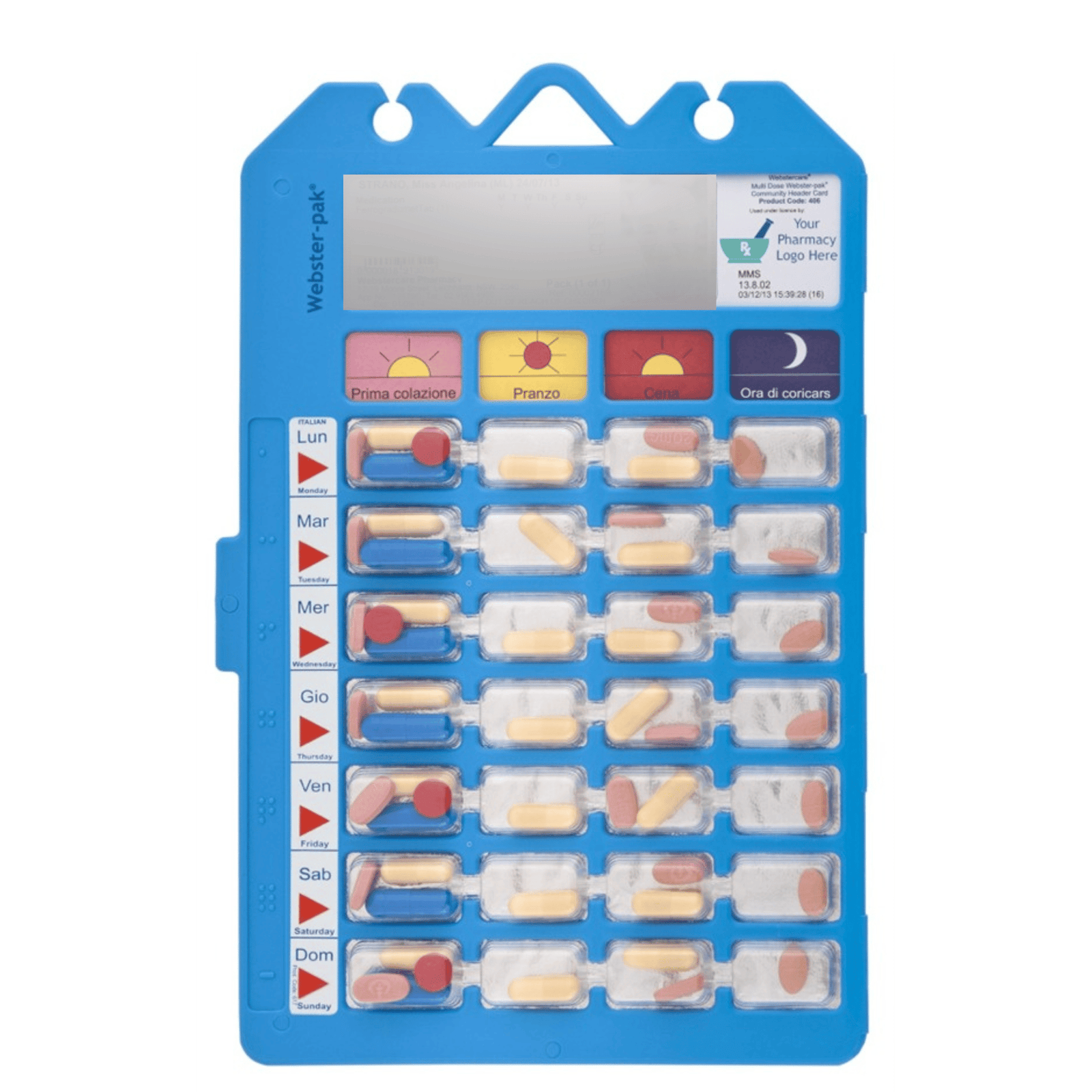
    A Webster-pak is a sealed medication blister pack, used by pharmacists to organize a patient’s medications based on time and dosage. Each compartment contains pills prescribed for a specific time of day (morning, noon, evening, night), and the entire pack is labeled with the patient’s medication information.

    To prevent any spillage or medications being mixed up, the community pharmacists packs the medications into a sealed Webster-pak listing all the contents plus other current medications used by the patient. This allows hospitals or emergency staff and friends/carers to have this important information readily available.

    Organized Webster-Pak for Daily Medication Management

    Webster-Pak Weekly Medication Blister Pack for Patient Adherence
    📘 Learn more about Webster-pak:

    Webstercare website.

    Is Webster-pak safe to use?

    Yes! Each Webster-pak is securely sealed by the pharmacist according to the doctor’s prescription, ensuring:

    • No spillage or pill mix-ups

    • Accurate daily and hourly dosing

    • Improved safety in home and clinical settings

    Can anyone get a Webster-pak?

    The Webster-pak system is versatile and beneficial for many individuals and groups, including:

    • School children on regular medication

    • Travellers (with doctor’s letter)

    • Health enthusiasts managing supplements

    • Patients discharged from hospitals

    • Aged care or supported living residents

    • People receiving care at home

    • Individuals from CALD (Culturally and Linguistically Diverse) backgrounds

    • Psychiatric and rehabilitation patients

    • Community members self-managing multiple medications

    What medications are packed in the Websterpak?

    Webster-paks are best suitable for the regular medications like oral tablets, capsules consumed by the patient. However, for liquid preparations, other topical creams, lotions and when required (prn) based medications, a webster-pak is not suitable.

    How is Webster Pack helpful for patients?

    It Improves the patient’s medication adherence especially to manage complex regimes and reducing the potential medication errors.

    Who can use the webster pack?

    • School children on regular medication.

    • Travellers.

    • Health enthusiasts taking multiple supplements.

    • Psychiatric hospitals.

    • Hospital discharge patients.

    • Patients receiving care at home.

    • Special accommodation homes.

    • Hostels, group homes or low care homes.

    • Patients receiving support services.

    • Community patients managing multiple medications independently.

    • Culturally and linguistically diverse clients

    How does Webster-pak help healthcare professionals?

    Webster-pak medication packs are a reliable solution for all carers, pharmacies and healthcare professionals that enhances the patient’s medication adherence and safety. Designed to simplify medication management, these packs securely seal each pill within individual blister compartments, organized according to the prescribed dosage schedule. This structured approach helps reduce the risk of missed or incorrect doses, offering patients greater confidence and peace of mind in their treatment.

    Can we carry Webster-pak overseas?

    Yes, it is acceptable to carry medications packed in a webster, provided the patient holds a letter from a doctor stating “for personal use only” and listing all the medications in the pack, including the name and dose

    For more information:

    consult the TGA guidelines for traveling with medicine or visit Smartraveller.

    Conclusion

    The Webster-pak is more than just a pill organizer — it’s a trusted medication management system designed to support patients, carers, and healthcare providers alike. By offering a structured, time-specific layout for medications, it significantly improves medication adherence, minimizes the risk of errors, and promotes independence in daily routines.

    Whether you’re caring for a loved one, managing medications for yourself, or working in a healthcare setting, adopting a Webster-pak can simplify complex medication regimens and ensure every dose is taken safely and on time.

    Ready to make medication management easier? Speak to your local pharmacy about setting up a Webster-pak today.

    For more health tools and medication safety tips, don’t forget to check out our related articles on our website

    References

    1. Chaudhri K, Gnanenthiran SR, Williams A, Kearney M, Day RO, Rodgers A, Atkins ER. Effect of dose administration aids on adherence of self‐administered medications: a systematic review. Journal of Pharmacy Practice and Research.

    2.https://www.webstercare.com.au/webster-pak-medication-packs/

    This blog is intended for informational purposes only and reflects the general knowledge and interpretation of Elite Expertise regarding Webster-pak usage and medication adherence. It is not a substitute for professional medical advice, diagnosis, or treatment. Always consult a qualified healthcare provider or pharmacist before making decisions about your medications or starting any new treatment method. Medication practices, packaging regulations, and healthcare policies may vary by country and are subject to change. Elite Expertise is not responsible for any actions taken based on the information provided in this article.

    ⚠️ Disclaimer

    Arief Mohammad

    About the Author

    Arief Mohammad

    Mr. Arief Mohammad is renowned for his excellent teaching skills and practice-based experience, which can contribute to developing practice-based knowledge for a learner. He has been a practicing pharmacist in Australia for the last 5 years and has been a preceptor to several students and intern pharmacists.

    Follow On

    Accredited Consultant PharmacistAustralia

  • Why Choose Pharmacy as a Career: Benefits, Opportunities, and Global Scope

    Pharmacy is more than just dispensing medicines — it’s a dynamic healthcare profession that blends science, patient care, and innovation. As healthcare systems worldwide expand and evolve, the demand for qualified pharmacists is skyrocketing. Whether you dream of working in hospitals, community pharmacies, research, or the pharmaceutical industry, a career in pharmacy opens doors to meaningful work, job stability, and global opportunities.

    The pharmaceutical industry is booming, with an increasing need for skilled professionals. Aging populations, chronic disease management, and technological advances in medicine all contribute to the rising demand for pharmacists.

    Top countries with high pharmacist demand include:

    • Australia: Aging population and expansion of healthcare services

    • Canada: Growing pharmaceutical sector and streamlined immigration policies

    • Ireland: Shortage of qualified professionals and strong regulatory frameworks

    These countries offer competitive salaries, work-life balance, and clear licensing pathways through exams like the PEBC (Canada), OPRA (Australia), and PSI (Ireland).

    Various Career Path Opportunities

    Pharmacy isn’t limited to retail or hospital settings. Today’s pharmacists can specialize in:

    • Clinical Research & Development

    • Pharmaceutical Sales & Marketing

    • Regulatory Affairs & Drug Safety

    • Academia & Teaching

    • Consultant Pharmacist Roles

    • Entrepreneurship in Healthcare Startups

    This variety allows pharmacy professionals to explore niche roles that match their interests and strengths, offering both professional growth and personal satisfaction.

    High Demand for Pharmacists Worldwide

    💡 Related Read:

    Exploring Global Career Opportunities for Pharmacists

    Combining Patient Care with Science

    A career in pharmacy offers the ideal fusion of science and people’s desire to serve others. In addition to enabling you to communicate with patients and medical professionals, it requires a thorough understanding of chemistry, biology, and medicine.

    Work-life Balance & Flexibility

    Pharmacy offers flexible working hours and multiple job formats:

    • Part-time or Full-time roles

    • Locum (freelance) pharmacists

    • Work in hospitals, labs, community settings, or even from home in regulatory roles

      Pharmacy offers flexible work schedules in variety of locations, unlike other healthcare occupations. Candidates can find a job that fits their lifestyle, depending on whether you want to work in a research lab, hospital, or retail pharmacy.

      For those pharmacists who seek flexibility along with competitive earnings, working as a LOCUM Pharmacist such as in Australia, is an excellent career option. Locum pharmacists fill temporary positions in community pharmacies, hospitals and aged care facilities. Whether you are an experienced pharmacist looking for change or a newcomer seeking diverse experience, locum pharmacy offers a dynamic & rewarding career path.

    Counselling Pharmacist

    Employment Security & Competitive Pay

    Competitive pay and long-term work security are two benefits of a pharmacy career. Among the highest-paid healthcare workers, pharmacists have room to grow and advance as they acquire knowledge and skills

    The Capacity to make a difference

    Pharmacists are essential to patient care because they manage medication safety, offer pharmaceutical counseling, and make sure that medications are used safely and effectively. Pharmacists can significantly influence people’s health & well-being in this line of work.

    Conclusion : Is Pharmacy Right for You?

    If you value healthcare, science, and helping people — pharmacy is a powerful career choice. With global demand, career flexibility, and the ability to positively impact lives, pharmacy stands out as a rewarding and future-proof profession.Step into a field that offers purpose, progress, and potential — choose pharmacy, and shape the future of healthcare.

    Make a Real Impact

    As a pharmacist, you become a key pillar in patient care. Your advice influences treatment outcomes, medication adherence, and patient safety. It’s a career where every interaction can improve someone’s quality of life.

    This blog is for informational purposes only and represents the views and interpretations of Elite Expertise regarding career opportunities in pharmacy. While we aim to provide accurate and up-to-date insights, pharmacy licensing requirements, immigration policies, and healthcare regulations may vary by country and are subject to change.EliteExpertise does not accept responsibility for any decisions made based on the information provided in this article.

    ⚠️ Disclaimer

    About the Author

    Sahana Rao

    Sahana Chinthapatla is renowned for her expertise in scientific and medical writing, backed by an MPharm in Pharmacology and years of experience in research analysis and scientific writing.

    As the Head Business Writer at Elite Expertise, she provides insightful and well-researched content on KAPS, OPRA, PEBC, PSI and global pharmacy pathways, guiding aspiring pharmacists in their professional journeys.

    Follow On

    Head Business Writer | Elite Expertise

  • Pharmacist in Canada: Step-by-Step Guide to PEBC Exam, Licensing, Immigration & Jobs (2025)

    Pharmacist in Canada

    Why Canada is the Perfect Destination for Pharmacists

    Canada welcomes skilled professionals with open arms — especially pharmacists. As the healthcare system expands and the population ages, the country faces a critical shortage of licensed pharmacists, particularly in provinces like Ontario, British Columbia, and Alberta.

    Benefits of Working as a Pharmacist in Canada:
    • Competitive salaries ranging from CAD $70,000 to $155,000

    • Excellent work-life balance

    • Pathways to Permanent Residency (PR)

    • Opportunities in both urban and rural regions

    Job Outlook: Strong Demand for Pharmacists (2025 & Beyond)

    By 2031, Canada is projected to create over 16,000 new pharmacist positions. The demand is especially high in regions with limited access to healthcare, making rural job placements highly attractive — both financially and professionally.

    📍 Hotspot Provinces: Ontario, Alberta, British Columbia💼 Rural Advantage: Higher chances of job offers, signing bonuses, and immigration support

    Pharmacist Salary Expectations in Canada

    Pharmacists in Canada earn lucrative salaries. The average salary of an international pharmacist may vary in the range of CAD 70,000 and CAD 155,000 per year based on the province chosen and work experience.

    The salary paid also varies with locations or provinces chosen like for Example, a higher pay scale is observed in cities like Toronto and Vancouver due to the cost of living, whereas, additional benefits such as signing bonuses, relocation assistance, and expedited immigration support are the advantages of rural areas.

    Are you an international pharmacy graduate dreaming of working in Canada? With a growing demand for healthcare professionals, Canada is an excellent destination for pharmacists looking for stable, high-paying jobs and permanent residency. This guide will take you through every step — from immigration and PEBC licensing to job search strategies and settling into Canadian life.

    Whether you’re just starting your research or preparing for your move, this blog covers everything you need to know to become a licensed pharmacist in Canada in 2025.

    Steps to Become a Licensed Pharmacist in Canada

    Let’s understand the steps involved to become a pharmacist in Canada. Like every country, pharmacists must complete a licensing process before practicing in in the country the same is true for Canada true. This process is managed by a regulatory body called Pharmacy Examining Board of Canada (PEBC).

    Steps to Get Licensed:
    1. NAPRA ID: Register with the with Pharmacists’ Gateway Canada and get a NAPRA ID.

    2. Document Evaluation: Academic credentials should be submitted to PEBC for assessment.

    3. Evaluating Exam: A multiple-choice exam to test pharmaceutical knowledge.

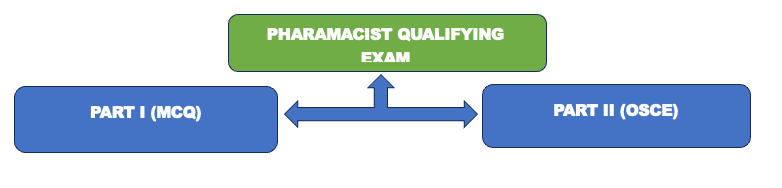
    4. Qualifying Exam (Part I & II): Also called the MCQ (Part I) or OSCE (Part II) exams which test the theoretical and practical skills.

    5. Provincial Registration: After passing the PEBC exams, register with the pharmacy regulatory body of your chosen province.

    Many international pharmacy graduates enroll in bridging programs basis the provincial requirement. This is a mandate in some provinces and these bridging programs are offered by Canadian universities to prepare for these exams and adapt to the Canadian healthcare system but are very expensive.

    💡 Related Read:

    How to Become a Pharmacist in Canada

    Immigration Pathways for Pharmacists

    1. Express Entry: A Permanent Residency’s fastest route for a candidate

    To immigrate to Canada, Express Entry system is one of the most competent ways for skilled professionals, including pharmacists.

    This pathway is even more favourable for healthcare professionals with the latest updates from 2025. Pharmacists (NOC 31120, TEER 1) are now included in targeted Express Entry draws, making sure of the quicker processing times.

    • This means if you qualify under the Federal Skilled Worker Program (FSWP), your application could be prioritized.

    • Key eligibility factors being, proficiency (IELTS/CELPIP) and Educational Credential Assessment (ECA).

    With these changes to the Express entry one can receive an Invitation to Apply (ITA) for permanent residency within months provided you have a strong profile.

    2. Provincial Nominee Programs (PNPs): Alternative Immigration Pathways

    Provinces in Canada nominate skilled workers based on local labour shortages.

    Incase your CRS score is not high enough for Express Entry, you can apply for a Provincial Nominee Program (PNP), which allows Nova Scotia, Ontario, and British Columbia have dedicated healthcare immigration programs.

    • Another advantage with PNP nomination is that it adds 600 points to your Express Entry profile, almost promising an ITA.

    • Some provinces offer fast-track work permits to help pharmacists start working in Canada even before getting permanent residency.

    How to Secure a Job in Canada Before Arrival

    Finding a job before moving can significantly ease your transition. Here are key strategies:

    • Job Bank Canada, Indeed, and LinkedIn are some of Online Job Portals to explore pharmacy job openings.

    • By joining professional groups and online forums you can start Networking with Canadian Pharmacists.

    • Some employers often provide visa sponsorship due to the high demand of pharmacist or shortages in rural areas. Therefore, consider Employer-Sponsored Work Permits.

    • There are various Virtual Job Fairs that would be conducted by provincial healthcare organizations to connect with recruiters, use them to the fullest.

    Making Your Move to Canada Smooth

    Settling in can be quite challenging in every new job that we take up so get yourself prepared for it. Once you finish your PEBC exam and complete your immigration process, the next step is settling in. Here’s how to make sure a smooth shift or a transition:

    • Find Housing Early: Find affordable houses in the areas near your workplace. The rent in Canada varies with the city.

    • Set Up Your Finances: Open a Canadian bank account and familiarize yourself with tax regulations.

    • Join Professional Associations: Canadian Pharmacists Association (CPhA) and some other organizations provide networking and career support.

    • Adjust to Canadian Workplace Culture: Having an eye for local work ethics and understanding the patient care expectations will help you do well professionally.

    Why Canada is the Right Choice for You

    • Canada offers internationally trained pharmacists a clear pathway to permanent residency, high-paying job opportunities, and a strong professional support system.

    • The PEBC licensing process ensures that you meet Canadian pharmacy standards, and with increasing demand, your skills will be highly valued.

    • By strategically navigating Express Entry, PNPs, and licensing requirements, you can establish a thriving career in Canada while enjoying the benefits of a stable and fulfilling life.

    Difficulties in the path:

    • The Canadian licensure exam is one of the toughest exams and self-study could make your path considerably difficult. To address this issue, you must consider seeking expert guidance and training.

    • During the document evaluation process all the document must be submitted as per the requirements mentioned on the PEBC website. Deviation from which could lead to delayed process. An expert advice is always better to make your path easy.

    • Finding the study material for your preparation is another task considering the vast syllabus.

    • The OSCE exam simulates the real-life situation which needs a lot of preparation and well experienced mentor for the preparation.:

    🎓 Why Choose Elite Expertise:

    • Online interactive classes

    • Recorded sessions enabling you to learn at your own pace

    • Expert guidance from accredited consultant pharmacists Mr Arief Mohammad and Mrs Harika Bheemavarapu, and also, we have a Canadian Pharmacist Shyama making understanding the Canadian laws even more easy

    • Our curated mocks help you prepare better for your exam day.

    • All the expertise and experience of the educators (who are pharmacists) at Elite Expertise, teach through case studies making your learning easy to understand.

    Final Thoughts:

    Canada offers internationally trained pharmacists a clear path to permanent residency, lucrative career options, and a high quality of life. With the right preparation, mentorship, and guidance, you can make your dream of practicing pharmacy in Canada a reality.

    Let Elite Expertise be your partner in this life-changing journey. From preparing for the PEBC exam to landing your first job in Canada, we’re with you at every step.

    Enroll Now with Elite Expertise

    This blog is for informational purposes only and reflects our views and interpretations. While we strive for accuracy, licensing requirements and regulations may change. Readers are advised to verify information with official sources such as the Pharmacy Examining Board of Canada (PEBC) and the National Association of Pharmacy Regulatory Authorities (NAPRA) before making any decisions. We do not assume responsibility for any actions taken based on the information provided.

    ⚠️ Disclaimer

    About the Author

    Sahana Rao

    Sahana Chinthapatla is renowned for her expertise in scientific and medical writing, backed by an MPharm in Pharmacology and years of experience in research analysis and scientific writing.

    As the Head Business Writer at Elite Expertise, she provides insightful and well-researched content on KAPS, OPRA, PEBC, PSI and global pharmacy pathways, guiding aspiring pharmacists in their professional journeys.

    Follow On

    Head Business Writer | Elite Expertise

  • How to Become a Pharmacist in Canada | PEBC Exam & Licensure Guide (2025)

    If you are an international candidate (excluding US) and looking to pursue your career as a Pharmacist in Canada and wondering where to start from, how to proceed further, what are the steps involved to becoming a pharmacist in Canada then worry not Elite Expertise at your rescue.

    Steps to become a pharmacist in Canada

    Step 1: Enrolling with Pharmacists’ Gateway Canada:

    • Purpose: This is a mandatory step (except for Quebec) in the licensure process.

      • You will receive a NAPRA ID (National Association of Pharmacy Regulatory Authorities), which will be your candidate profile.

      • The profile stores your documents, language test reports, and exam results for review by regulatory authorities.

    💵 Fees
    • CAD 380.

    Step 2: Document Evaluation by PEBC

    • The NAPRA ID issued is essential for creating a portal with PEBC for Document Evaluation.

    • Eligibility:

      • A four-year degree in pharmacy is a mandate.

    • Documents:

    • A properly witnessed printed application form (Couriered to PEBC).

    • A certified copy of documents to support identity (Couriered to PEBC).

    • Documents to support graduation from an acceptable pharmacy program (Couriered or emailed to PEBC by your college).

    • Documents to support your international licensing status (Couriered or emailed to PEBC by your licensing authority).

    • Statutory declarations (mailed/couriered to PEBC). ⚠️ Discrepancies with documentation: In case of any discrepancies with the documents provided, PEBC will reach out to you through an email about any other required documents which might delay the time of evaluation below mentioned.

      Time for evaluation:

      8 weeks

    • Results:

      • Once your Document Evaluation is finished, a results letter will be uploaded to the Digital Wallet in your Portal account within 5 business days.

    💵 Fees
    • CAD 715

    Step 3: Pharmacist Evaluating Examination:

    • This exam accesses foundational knowledge in the core subject areas of a Canadian pharmacy curriculum.

    • Eligibility: Once your Document Evaluation is approved, the Evaluating Examination application will be added to your account within 5 business days.

    • Number of attempts: Candidates are allowed three attempts. However, PEBC may review a petition for a fourth and final attempt. To gain approval for this additional attempt, candidates must submit documentation confirming the completion of remediation to PEBC. So totally four attempts are permitted for Pharmacy evaluating exam.

    • Scheduling the Pharmacy evaluating examination:

      • Once you receive an invitation to schedule, no later than two weeks before the exam, you’ll be responsible for arranging your evaluating examination with Prometric.

      • PEBC provides candidates with the flexibility of choosing between on-site testing at a Prometric test centre or utilizing Prometric’s ProProctor Remote Proctoring Platform, allowing the candidates to take the test at their home, using their own computer and internet. This option is available to candidates residing anywhere in Canada or internationally, ensuring accessibility regardless of location.

    • Evaluating Examination Format: It is a one-day, multiple-choice (MCQ) computer-based exam with no negative marking.

    • Length of the exam: 3.25 hours

    💵 Fees
    • CAD 910

    Subjects for the pharmacy evaluating examination:

    • Biomedical Sciences

    • Pharmaceutical Sciences

    • Pharmacy Practice

    • Behavioural, Social and Administrative Pharmacy Sciences

    Examination blueprint: The percentage of questions appearing in the evaluating examination is fixed which helps the candidate to prepare accordingly.

    Results for Pharmacy evaluating exam:
    • After 5 weeks of the exam, the results will be posted on the PEBC website.

    • The PEBC ID number of the candidate who has passed the exam will appear in the Pharmacist Evaluating Exam section of the website.

    • No scores will be disclosed by PEBC. Only a pass or fail will be intimated to the candidate.

    • After a weeks’ time these results will be posted in the digital wallet of each candidate.

    Step 4: PEBC Qualifying Examination:

    Once you have passed the PEBC Evaluating exam successfully the next step is the Qualifying exam. You can access the applications for the Qualifying Examination (Part I and Part II) on the Portal account.
    There are two parts in the Qualifying exam: Part I and Part II of the Qualifying Examination are designed to access the fundamental aspects of competency required for entry-level practice in Canada.
    These two Exams that is the, Part 1 and 2 exams can be taken in a single sitting or during separate sittings as per the candidate’s choice.

    Pharmacist Qualifying Examination – Part I (MCQ)

    Eligibility:

    • Candidates who have cleared the documentation evaluation and the Pharmacy evaluation examination will become eligible for Pharmacist Qualifying examination

    Number of attempts:

    • Candidates are permitted a maximum of four attempts for each Part of the Pharmacist Qualifying Examination. The fourth attempt might be provided to the candidate only after approval by the PEBC.

    • Candidates must complete both Part I and Part II of the Qualifying Examination within a three-year period from the time they pass one part of the Qualifying Examination.

    • If a candidate does not successfully complete both parts within this timeframe, they will need to retake and pass the part that they have already completed.

    Format: It is a one-day, multiple choice (MCQs) computer-based exam with no negative marking and offered at secured proctor testing centres.

    Duration of the exam: 4 hours 30 mins

    Result: To maintain a consistent pass/fail standard across exams, considering variations in exam difficulty, an equating process is utilized. This statistical procedure determines the minimum number of correct answers required on a new exam to meet the established pass/fail standard. While the specific number of correct answers needed to pass may vary based on exam difficulty, the underlying estimate of ability representing the pass/fail standard remains constant.

    💵 Fees
    • CAD 855

    Pharmacist Qualifying Examination—Part II (OSCE—objective structured clinical examination)

    Eligibility: The next step is the OSCE exam:

    • The candidate who has cleared the documentation evaluation and the Pharmacy evaluation examination will be eligible for Pharmacist Qualifying examination.

    Number of attempts:

    • Candidates are permitted a maximum of four attempts for each Part of the Pharmacist Qualifying Examination. The fourth attempt might be provided to the candidate only after approval by the PEBC.

    • Candidates must complete both Part I and Part II of the Qualifying Examination within a three-year period from the time they pass one part of the Qualifying Examination.

    • If a candidate does not successfully complete both parts within the three years of time specified, they will need to retake and pass the part that they have already completed.

    Format:

    • The exam format of OSCE is entirely different from the previous exams.

    • OSCE comprises of a series of “stations” simulating/replicating common and/or critical practical situations.

    • These simulations often involve interactions with a “Standardized Patient” (SP) or “Standardized Client” (SC) (e.g., parent or caregiver) or “Standardized Health Professional” (SHP).

    • Each station is designed to assess one or more competencies.

    • A trained examiner, who has received training, will utilize standardized assessment criteria to observe, record, and evaluate candidates’ interactions and task completion.

    • OSCE consists of 13 examination stations plus rest stations.

    • Each station consists of a task or problem to complete within 7 minutes.

    These 13 examination stations consist of:

    10 interactive stations,

    2 non-interactive stations,

    1 pretest station (interactive or non-interactive)

    Length of the exam: ~6.5 hours (approximately)

    Result: Your Total Score is calculated by adding up your ratings for Communication, Outcome, and Overall Performance across all twelve scored stations (excluding the pretest station). The passing score for the exam is determined by summing up these ratings across all 12 scored stations.

    Results for Pharmacist Qualifying Examination:Results are published on the PEBC website approximately six weeks after the exam. The results list includes the following details:

    • PEBC ID numbers of candidates who passed either or both parts of the exam

    • PEBC Registration Number for candidates who passed both parts of the Qualifying Exam

    No additional information is provided on the results list, and it is accessible in the Pharmacist Qualifying Exam section of the website.

    💵 Fees
    • CAD 1915

    Step 5: Registration with PEBC
    • Upon successfully passing both parts of the Pharmacist Qualifying Examination, your name will be added to the Register of The Pharmacy Examining Board of Canada, and you will be issued a Certificate of Qualification printed in either official language.

    • While your Certificate is being prepared, your letter of exam results can serve as official confirmation of your registration with the Board.

    • To ensure the timely delivery of your Certificate, it is important to inform the PEBC office in writing of any changes to your address to prevent any potential loss of your Certificate.

    • Obtaining certification from the PEBC does not automatically grant an individual the privilege to practice pharmacy. Apart from PEBC certification, each province imposes additional prerequisites, which may include practical experience, language proficiency, and examinations on pharmacy legislation and practice standards, such as jurisprudence exams.

    Step 6: English Language Proficiency Requirements for Licensure as a Pharmacist in Canada
    • Canada officially recognizes two languages: English and French.

    • However, English is the predominant language spoken in the majority of provinces and territories, thereby leaving the international program graduates (IPGs) to demonstrate sufficient language proficiency to understand and communicate effectively and ethically.

    • Before starting the practical training or assessment program required by the pharmacy regulatory authority, if applicable, or at the specified stage in the process, individuals must provide proof of language proficiency accepted by the regulatory body.

    • Some of the tests accepted and the minimum scores are as follows:

    Step 7: Application to the PRA
    • Candidates are required to submit an application directly to the pharmacy regulatory authority (PRA) of the province where they intend to obtain licensure, as well as through Pharmacists’ Gateway Canada.

    • While PRAs share many common requirements, each jurisdiction may have its own specific conditions for licensure.

    • It’s important for candidates to carefully review the application requirements of the jurisdiction where they plan to become licensed to ensure eligibility.

    • Candidates have the option to change their designated PRA until they submit their application through Pharmacists’ Gateway Canada. Once an application is submitted, it cannot be altered. However, candidates can add another PRA to their profiles if they have already applied to their designated PRA.

    Bridging Programs:

    • A pharmacy bridging program comprises educational courses provided by a recognized Canadian institution, tailored specifically for international pharmacy graduates (IPGs).

    • These programs aim to assist IPGs in acquiring the necessary knowledge and skills to meet Canadian practice standards.

    • The Bridging program entirely depends on the province’s PRA and its requirements.

    Step 8: Structured Practical Training and Assessment
    • Every pharmacy regulatory authority (PRA) mandates that candidates undergo a structured practical training program and/or assessment.

    • Completion of these programs and assessments, as directed by the PRA, ensures that international pharmacy graduates gain experience in a pharmacy patient care setting and can adhere to national entry-to-practice competency standards.

    • Each province has varying requirements regarding the duration of structured practical training and the assessment process.

    Step 9: Jurisprudence Examinations:
    • The jurisprudence examination or course evaluates candidates’ understanding and application of laws, standards, and policies relevant to pharmacy practice.

    • These regulations govern various aspects including pharmacy operations and the handling of drugs concerning production, distribution, advertising, sale, and usage.

    • Each jurisdiction administers its own examination to assess candidates’ comprehension of these legal frameworks.

    Step 10: Licensure Registration:
    • Obtaining a license/registration marks the final stage of the licensure or registration process.

    • The pharmacy regulatory authority (PRA) verifies that the candidate has fulfilled all necessary requirements for licensure.

    • Candidates are responsible for paying a fee which vary among different provincial pharmacy regulatory authorities (PRAs) for their license.

    • The candidate will need to renew their license annually, accompanied by a fee.

    • The annual renewal fee may differ from the initial registration fee.

    • Additionally, candidates must acquire and uphold personal professional liability insurance coverage, which assists pharmacists in covering legal expenses in case of a lawsuit.

    Final Thoughts

    Becoming a licensed pharmacist in Canada requires dedication, financial investment, and time, but with the right approach, the process can be manageable and rewarding. By following these structured steps, you can successfully navigate the PEBC exam process, licensure requirements, and practical training to achieve your goal efficiently.

    At Elite Expertise, we are committed to providing comprehensive support to international pharmacy graduates, helping them understand and complete the licensure journey with confidence.

    For official guidelines and updates, visit:
    ⭐️ PEBC Official Website
    ⭐️ NAPRA Official Website

    Summary of Costs & Timeline

    Total Estimated Cost: $5,000 – $10,000+ CAD

    This blog is for informational purposes only and reflects our views and interpretations. While we strive for accuracy, licensing requirements and regulations may change. Readers are advised to verify information with official sources such as the Pharmacy Examining Board of Canada (PEBC) and the National Association of Pharmacy Regulatory Authorities (NAPRA) before making any decisions. We do not assume responsibility for any actions taken based on the information provided.

    ⚠️ Disclaimer

    About the Author

    Sahana Rao

    Sahana Chinthapatla is renowned for her expertise in scientific and medical writing, backed by an MPharm in Pharmacology and years of experience in research analysis and scientific writing.

    As the Head Business Writer at Elite Expertise, she provides insightful and well-researched content on KAPS, OPRA, PEBC, PSI and global pharmacy pathways, guiding aspiring pharmacists in their professional journeys.

    Follow On

    Head Business Writer | Elite Expertise

  • Become a Pharmacist in New Zealand | OPRA Exam | Elite Expertise

    Working As a Pharmacist in New Zealand: What You Need to Know

    If you’re considering migrating to the beautiful country of New Zealand to work as a pharmacist, you may have questions about the steps involved, including the New Zealand OPRA exam, registration requirements and job prospects.

    Whether you’re looking to make the move to New Zealand or an internationally trained pharmacist navigating the OPRA exam process, the following answers will clarify the key steps involved and help you understand the journey to becoming a pharmacist in New Zealand.

    Moving to New Zealand as a Pharmacist

    New Zealand remains a highly attractive destination for pharmacists, thanks to its high demand for healthcare professionals, competitive salaries and quality of life. The country is experiencing a pharmacist shortage, particularly in regional and rural areas, creating strong employment opportunities for both local and internationally trained pharmacists.

    How Much Do New Zealand Pharmacists Earn?

    Pharmacists in New Zealand can expect competitive salaries, with earnings varying based on experience, location and the workplace setting.

    Entry-level pharmacists typically earn between $40,000 and $55,000 USD per year, while experienced pharmacists can earn anywhere from $65,000 to $85,000 USD annually.

    Salaries tend to be higher in hospital and specialist roles and can also increase for pharmacists working in rural or high-demand areas.

    What Do I Need to Study to Move to New Zealand?

    As of March 2025, the Overseas Pharmacist Readiness Assessment (OPRA) exam has replaced the Knowledge Assessment of Pharmaceutical Sciences (KAPS) exam for overseas-trained pharmacists seeking registration in New Zealand. The OPRA exam is now the required assessment to demonstrate your readiness to practise pharmacy in New Zealand.

    For pharmacists trained in Canada, Ireland, the United Kingdom or the United States, the Competency Assessment of Overseas Pharmacists (CAOP) exam remains the appropriate pathway for registration in New Zealand.

    If you are an overseas-trained pharmacist, you must completetheOPRA exam and asupervised internship before applying for full registration. A valid work visa is also necessary, and most candidates apply for one after securing an internship position with an approved employer.

    The process is much simpler forAustralian pharmacistsmoving to New Zealand. Under the Trans-Tasman Mutual Recognition Agreement (TTMRA), those who are already registered in Australia can apply for recognition and start working in New Zealand without having to sit the OPRA exam.

    What is the OPRA Exam?

    The Overseas Pharmacist Readiness Assessment (OPRA) exam is a competency-based assessment introduced to replace the Knowledge Assessment of Pharmaceutical Sciences (KAPS) exam. This change ensures that overseas-trained pharmacists meet New Zealand’s professional standards and are equipped to provide high-quality patient care.

    Unlike KAPS, the OPRA exam places greater emphasis on real-world pharmacy practice, clinical decision-making and patient care scenarios rather than purely theoretical pharmaceutical sciences.

    Key Changes with the OPRA

    The transition from KAPS to OPRA brings several key changes for overseas pharmacists:

    • The exam has been redesigned to focus on real-world pharmacy practice in New Zealand.

    • Greater emphasis is placed on clinical and patient-care scenarios.

    • The OPRA exam includes case-based assessments that reflect modern pharmacy practices.

    • The pass criteria have been adjusted to align with New Zealand’s pharmacy competency framework.

    What Remains Unchanged?

    Despite these changes, some aspects of the registration process remain the same:

    • International pharmacists must still complete 1,450 hours of supervised practice (internship) in New Zealand before full registration.

    • The New Zealand Pharmacy Law & Ethics exam is still required.

    • English language proficiency requirements (such as IELTS or OET) continue to apply. You will need ELTS (Academic) minimum score of 7.0 in each band, OET (Occupational English Test for Pharmacy) Grade A or B in each component.

    • The registration process with the Pharmacy Council of New Zealand (PCNZ) remains largely the same.

    While the exam format has evolved, the fundamental steps to becoming a registered pharmacist in New Zealand remain unchanged.

    What Happens After You Pass the OPRA Exam?

    Once you’ve successfully completed the OPRA exam, your journey isn’t quite over. There are still a few essential steps to becoming a fully registered pharmacist in New Zealand:

    1. Complete the NZ Pharmacy Legislation (NZPL) Course: This 10-module online course covers pharmacy law, ethics and professional practice in New Zealand. It must be completed before you begin your internship.

    2. Register as an Intern Pharmacist: After finishing the NZPL course, you can apply to practise under the Intern Pharmacist Scope with the Pharmacy Council of New Zealand.

    3. Undertake the EVOLVE Internship Programme: This structured, full-time internship typically runs from February to November and includes 1,450 hours of supervised pharmacy practice in New Zealand.

    4. Apply for Full Registration: Once your internship is complete and all requirements are met, you can apply for full registration and begin working independently as a pharmacist in New Zealand.

      The whole process, from eligibility assessment to complete registration, typically takes 12 to 24 months, depending on exam cycles, internship availability and visa processing.

      Start Your Pharmacy Career in New Zealand

      Whether you’re an overseas-trained pharmacist preparing for the OPRA exam or exploring the pathway to live and work in New Zealand, now is a great time to act. With strong demand across the country — especially in regional and rural areas — your skills are needed more than ever.

      As you prepare for your next step, it’s also worth considering practical details like visa requirements, accommodation and relocation planning. Most pharmacists arrange housing once their internship placement is confirmed, particularly if they’re placed outside the main cities.

      Elite Expertise offers targeted coaching and preparation for the OPRA exam and supports you throughout your entire registration journey, from eligibility assessment to full registration.

      Get in touch to take the next step in your pharmacy career.

      Begin Your Pharmacy Career in New Zealand Today

      With the high demand for pharmacists across New Zealand, now is the perfect time to explore your career opportunities.

      For more information on international pharmacy career opportunities, visitElite Expertise.

  • 10 Highest Paying Countries for Pharmacists | Elite Expertise

    FPGEE exam

    The 10 Highest-Paying Countries for Pharmacists in 2025

    With global healthcare systems under increasing pressure, the demand for skilled pharmacists is rising rapidly, opening doors to meaningful, well-paid careers across the world.

    From community pharmacies to advanced hospital settings, pharmacists are a pillar of the healthcare system, ensuring medications are used safely and effectively and playing an essential role in patient care.

    With rising healthcare demands and increased global mobility, many professionals are now exploring international opportunities. If you’re a qualified pharmacist with an adventurous spirit and a desire to earn a better income, you may be considering where your skills can take you next and which countries are actively seeking talent.

    Where Do Pharmacists Earn the Most?

    Understanding the salary landscape is important when planning to work overseas. Pay can vary depending on your level of experience, location and area of specialisation.

    The table below offers a general guide to average salaries for both new and experienced pharmacists.

    Looking Beyond the Top 10 Highest Paying Countries

    If money is not your driving force, consider the other aspects a country can offer you. While these countries offer substantial compensation, there are other emerging markets where pharmacists are increasingly valued.

    If you’re considering becoming a pharmacist in Italy: pharmacist salaries, it’s worth noting, are lower than in the US or Australia. However, you may benefit from an EU work environment, with many interesting cultural experiences on offer.

    Why Consider an International Pharmacy Career?

    A move overseas could offer more than just better pay. International roles can provide exposure to new healthcare systems, chances to specialise and access to advanced facilities. Whether you’re an Australian pharmacist seeking global experience or an overseas graduate weighing up your options, your qualification is a portable asset.

    You’ll also build valuable cross-cultural skills, expand your professional network and boost your CV in competitive job markets. Always check the local licensing requirements, visa rules and language expectations before making a move.

    Thinking About Moving Overseas as a Practising Pharmacist?

    If you’re an overseas-trained pharmacist interested in working in New Zealand or Australia, you’ll need to pass the OPRA exam to begin your registration journey. For those aiming to practise in Canada, the PEBC exam is the recognised assessment pathway. If you’re looking to register as a pharmacist in Ireland, you’ll need to complete the Pharmaceutical Society of Ireland (PSI) registration process, which includes passing the PSI Registration Examination.

    Elite Expertise supports pharmacists preparing for all of these exams, helping you take the next step towards a global pharmacy career.

    Elite Expertise offers tailored preparation for all of these courses: