Blog

  • Pharmacist Relocation Guide 2025 – Licensure & Exams Abroad

    Relocating abroad as a pharmacist can be a life-changing decision. It offers a wealth of career opportunities, a better pay scale, and international exposure. However, the journey is not an easy path. There are various hurdles and challenges that a pharmacist has to face.

    Understanding the essential steps, from Pharmacist licensing exams and language proficiency to adapting to new healthcare systems, is crucial for a successful transition. This guide provides pharmacists with all the key considerations before taking the leap to overseas practice.

    What are the Opportunities & Challenges of Moving Abroad?

    Working abroad as a pharmacist opens doors to:

    • Higher salaries & improved work-life balance

    • Access to advanced pharmaceutical technologies

    • Global networking and learning opportunities

    • Professional recognition in a well-regulated healthcare system

    However, pharmacists should also be prepared to face the challenges, such as:

    • Complex licensure process

    • Cultural and professional adaptation

    • Cost of living variations

    • Visa & immigration hurdles

    Understanding these factors early on can help you plan your move effectively.

    Also Read: How to Work Abroad As a Pharmacist: A Comprehensive Guide

    What are the licensure and registration requirements?

    • Each country has its own pharmacy registration and licensure pathways. Failing to understand these can delay your plans. Let’s learn about some of the significant steps involved in this process.

    • Credential evaluation or skills assessment of your documents. This process will evaluate whether your qualifications meet the standards of a particular country.

    • Licensing exams—These exams are country-specific and are carried out for international students. They demonstrate the knowledge and skills of an overseas graduate to work safely in that country.

    • Internship or supervised practice: The pharmacy council of the specific country finds that the international graduate needs more training and skills to practice as a fully registered pharmacist; they suggest some internship or supervised practice before issuing the registration.

    • Each country will ask for a proof of good standing certificate from the home country and a valid police clearance certificate to ensure that the candidate is lawfully ready to practice safely in the pharmacies.

    Some of the Key licensing bodies are:

    • For Australia: Pharmacy Board Of Australia (with APHRA)

    • For Canada: Pharmacy Examining Board of Canada

    • For Ireland: Pharmaceutical Society of Ireland

    • For New Zealand: Pharmacy Council Of New Zealand

    What are the particular licensing exams: OPRA, PEBC, PSI, etc.

    Excelling in Global Pharmacy Licensure with Elite Expertise

    To qualify for licensure as a pharmacist in countries like Pharmacist in Australia, Canada, or Ireland, passing rigorous competitive exams is a fundamental requirement. These exams are designed to assess not only pharmaceutical knowledge but also your clinical skills, communication abilities, and readiness to work in dynamic healthcare systems.

    Overview of key licensure exams:

    • The OPRA Exam (Australia): The Overseas Pharmacists Readiness Assessment evaluates your pharmaceutical knowledge, clinical judgments, and patient communication skills. It is a crucial step for overseas-trained pharmacists aspiring to work in Australia.

    • PEBC (Canada): The Pharmacy Examination Board of Canada mandates two exams: the Evaluating exam and the Qualifying examination. Together, these assess your foundational pharmacy education and clinical competency.

    • PSI Equivalence exam (Ireland): After successfully clearing the PSI equivalent examination, internationally trained pharmacists are recognized as licensed pharmacists in Ireland.

    Also Read: Global Opportunities With Elite Expertise

    Why Preparation Matters- and Why Elite Expertise is Your Best Choice

    Preparing for the exams is not just about passing the exam; it’s about building the confidence and competence to practice safely and effectively in a new country. That is where Elite Expertise comes in:

    What sets Elite Expertise apart?

    Elite Expertise is a premier training institution dedicated to guiding pharmacists through licensure in countries like Australia, Canada, and Ireland. Our courses are designed with a global perspective, combining clinical insights, academic person, and exam-specific strategies to ensure your success.

    Learn from our expert educators:

    At the heart of Elite Expertise’s success are our renowned educators:

    • Mr. Arief Mohammad: Consultant, clinical pharmacist in Australia

    • Mrs. Harika Bheemavarapu: Consultant, clinical pharmacist in Australia

    Both educators bring extensive real-world experience and deep clinical expertise to the table. Their unique insights into international pharmacy practice help bridge the gap between theoretical learning and practical application.

    What are the Language proficiency requirements?

    Communication is a vital part of pharmacy practice. Most regulatory bodies require proof of English language skills, such as:

    • IELTS (Academic): The minimum score often required is 7.0 overall, with no band less than 6.5

    • OET (pharmacy): Grade B on all 4 components

    • TOEFL iBT: alternative according to countries

    • PTE: Minimum proficient score

    Also Read: English Language Proficiency Tests for Australia After the OPRA Exam

    What are the growth opportunities abroad?

    The pharmacy career overseas offers:

    • Specialized roles like clinical pharmacists, regulatory affairs, or hospital pharmacists

    • Access to Continuing Professional Development (CPD)

    • Opportunity to pursue postgraduate studies

    • Better workplace facilities and a patient care system

    • Scope to immigrate permanently and settle with family

    Working abroad enhances both the professional & personal life of qualified pharmacists.

    What are the visa and immigration requirements?

    Visa eligibility differs by country, but standard requirements include:

    • Successfully cleared licensure exams

    • Valid job offer or sponsorship

    • Age factor

    • Proof of licensure or progress toward registration

    • Financial capacity

    • Health and Police clearance

    • Previous work experience

    What will the cost of living be, and what will cultural and professional adaptation be?

    Adapting to a new country involves more than passing exams; key aspects include:

    • Understanding the healthcare system and pharmacy practice standards

    • Adjusting to workplace etiquette and patient expectations

    • Managing the cost of living, transportation, and insurance

    • Navigating cultural differences in food, customs, and social life.

    Final Thoughts:

    Relocating abroad as a pharmacist requires detailed planning, preparation, and persistence. While the path can be daunting, with exams, paperwork, and cultural adaptation, it also offers unparalleled professional growth, a better standard of living, and personal fulfillment.

    Choosing the right training institution, like Elite Expertise, can make all the difference in your success. With expert-led coaching like OPRA Exam, PEBC, and PSI and language tests, Elite Expertise supports pharmacists in every step of their journey. Start your journey today with Elite Expertise and unlock the global opportunities in pharmacy.

    ⚠️ Disclaimer

    The information provided in this blog is for general informational purposes only. While Elite Expertise strives to keep the content accurate and up to date, registration requirements, fees, and procedures may change at any time at the discretion of the Pharmacy Council of New Zealand and other regulatory authorities. Readers are strongly advised to consult official sources or the Pharmacy Council of New Zealand directly for the most current and accurate information.

    About the Author

    Krupa Karamchand

    Content Writer | Elite Expertise

    Krupa Karamchand is a B. Pharm graduate and KAPS-qualified pharmacist with over 7 years of experience in the pharmaceutical field. As an experienced SEO content writer, she combines her in-depth healthcare knowledge with proven digital strategies to create informative, engaging, and search engine–optimized blogs. Krupa is passionate about making complex medical topics easy to understand and accessible to all readers.

    Follow On

  • The PTE Exam Format: Mastering It for Better Preparation

    Pearson Test of English (PTE) is a globally recognised computer-based exam that evaluates your proficiency in English. Preparing well in advance is a step not to be missed if you aim to study or work abroad. The process can seem daunting, especially with the applications, tests, and finding the proper guidance. However, at Elite Expertise, we offer PTE classes and make this easier.

    Let us understand a few points.

    The first step is demonstrating English proficiency, a critical part of this process.

    There are different types of PTE tests:

    • PTE Academic: For global university and college applications, visa applications to Australia and New Zealand, and professional registration.

    • PTE Core: A general English test, recognized by the Canadian government for immigration and citizenship applications.

    • UK visa tests: English tests for visa applications, which include PTE Home tests (to join family, and settle in the UK) and PTE Academic UKVI (for study or work visa).

    While Elite Expertise focuses on helping international pharmacists pass licensing exams like the KAPS exam and OPRA exam, we also recognize the importance of standardized tests such as the PTE exam.

    We focus on the PTE Academic exam, which is accepted for work and study in the UK, Australia, New Zealand, Canada, Singapore, Ireland, the Netherlands, the US, and Germany.

    This blog will provide a detailed and extensive structure of the PTE test, its duration, sections, question types, scoring system, and validity.

    Also Read: How to Become a Pharmacist in Australia from India (2025) – Step-by-Step Guide

    What is the PTE Test Format?

    The PTE Test Format is a computer-based test that assesses a candidate’s communication skills in an academic environment. It covers accents and academic language and evaluates four core skills: speaking, writing, reading, and listening.

    You will need to interact with the system using a microphone for the speaking tasks and a keyboard for writing. So, practice interacting and writing digitally regularly. The test uses artificial intelligence to score responses, ensuring fairness and accuracy.

    The PTE test is recognised by many universities worldwide. It is mainly popular in the UK, Australia, the US, and Canada. The New Zealand and Australian governments also now accept it for visa purposes.

    What Is the PTE Test Duration?

    The test lasts for 2 hours and includes real-world scenarios for assessment, conducted in a single session without any breaks between sections, though there are scheduled pauses. Here, time management becomes crucial, so proceed with every section mindfully. Also, know how long each section lasts to avoid confusion and disruption on exam day.

    • Speaking lasts for about 54-67 minutes.

    • Reading lasts for 30 minutes.

    • Listening lasts around 45 minutes.

    Note: Keep in mind that this is a broad estimation, and the accuracy and timely completion of this exam will depend on you.

    Proper PTE exam preparation includes practicing under timed conditions to improve both speed and accuracy.

    The PTE Sections

    As mentioned above, the PTE test format covers four areas: speaking, listening, reading, and writing. Let’s look at them in detail.

    1. Speaking and Writing

    These two components are assessed together in one section, lasting about an hour. You’ll be tested on your ability to communicate effectively verbally and in writing.

    Key tasks include:

    • Personal introduction

    • Reading aloud

    • Repeating sentences

    • Describing images

    • Retelling lectures

    • Answering short questions

    • Summarizing written text

    • Essay writing

    A strong performance here requires clarity, fluency, and coherence.

    2. Reading

    This section evaluates your comprehension and analytical skills. You’ll encounter various question types such as:

    • Multiple-choice questions (single and multiple answers)

    • Reordering paragraphs

    • Fill in the blanks (Read a passage with missing words, choose the correct option from the list)

    • Fill-in-the-blanks (Read a passage with missing words, drag and drop the correct word)

    You must read carefully and manage time efficiently. A PTE English test prep course can help you develop strategies to tackle complex texts and improve reading speed.

    3. Listening

    In this final section, you’ll listen to audio or video clips evaluating your spoken English understanding. Listen to the audio and respond accordingly. This task is divided into eight segments. These tasks include:

    • Summarize Spoken Text

    • Multiple Choice – Choose Single and Multiple Answers

    • Fill in the Blanks

    • Highlight Correct Summary

    • Select the Missing Word

    • Highlight Incorrect Words

    • Write from Dictation

    This section requires good listening skills, note-taking abilities, and attention to detail. Many learners benefit from enrolling in the best PTE coaching or an online PTE course for guided practice.

    What are the Types of Questions in the PTE Exam?

    Each section serves a different purpose in testing your English proficiency.

    Part 1: Speaking and Writing

    Read Aloud

    A text is provided to read, rehearse, and record the answers. You can only record yourself once for all speaking tasks, so do it carefully.

    Repeat Sentence

    Listen to a sentence and repeat it exactly. You hear the sentence only once.

    Describe Image

    Look at an image given to you for 25 seconds, then describe it in 40 seconds. Focuses on speaking skills.

    Re-tell Lecture

    Listen to a lecture for 90 seconds, take 10 seconds to prepare, and summarize it in 40 seconds. This lecture appears 1-2 times and tests listening and speaking.

    Answer Short Question

    After listening to a question, answer it with one or a few words. May include an image.

    Summarize Written Text

    Read a passage and write a one-sentence summary within 75 words. Covers reading and writing.

    Essay Writing

    Write a 200–300-word essay based on a prompt in 20 minutes. Focuses on writing.

    Part 2: Reading

    Fill in the Blanks

    You will be given a text with several words missing. Choose the correct words from the options to complete a text.

    Multiple Choice, Multiple Answers

    You will need to select all the correct answers after reading a passage.

    Re-order Paragraphs

    Arrange jumbled paragraphs into a logical order. The text will contain approximately 150 words.

    Fill in the Blanks

    Drag and drop words to fill gaps in a text.

    Multiple Choice, Single Answer

    Choose the correct answer from multiple options after reading a passage.

    Part 3: Listening

    Summarize Spoken Text

    Listen to a lecture or an interview and write a 50–70-word summary.

    Multiple Choice, Multiple Answers

    Listen to a recording and select all correct responses from the options given.

    Fill in the Blanks

    Listen to the prompt provided and select the correct responses

    Highlight Correct Summary

    You will listen to an audio and choose the best summary that fits it.

    Multiple Choice, Single Answer

    Listen to a short audio and choose the missing words in the audio. Write that into the text.

    Select the Missing Word

    Identify the missing word(s) in the audio clip. Fill them correctly by selecting the correct option.

    Highlight Incorrect Words

    This part will contain a text, and you will listen to the text being read aloud. Find incorrect words by comparing written text with a spoken version.

    Write from Dictation

    Listen to a sentence and type it exactly as heard.

    PTE Scoring System

    The PTE scoring system uses a scale from 10 to 90, with scores calculated based on performance across all sections. Each skill—speaking, writing, reading, and listening—is evaluated individually, and the overall score reflects your cumulative performance.

    Here’s a breakdown of what different score ranges mean:

    To achieve a high score, it’s important to understand the PTE test format and the scoring expectations for each task.

    PTE Score Validity

    Your PTE examination results remain valid for two years from the test day. They are accessible through email and PTE accounts within five business days of the examination.

    The score validity spans two years, which allows you to use your results for educational enrollment, visa processing, and employment opportunities.

    It is important to note that preparations should start well in advance because Australian programs maintain intense competition.

    Another advantage of the PTE test is that the results are typically declared within 2 business days and a maximum of 5 days in some instances. You can do PTE test bookings 24 hours in advance.

    Using the Global Scale of English, scores range from 10 to 90, and each university will set its minimum acceptance score.

    You can take a PTE course online. Let’s look at how to choose the best PTE coaching in Sydney.

    Also Read: Achieve High Scores in PTE with Expert Training from Elite Expertise

    Choosing the Right PTE Training

    Several PTE training centres exist in the market, and choosing the right one may seem tricky. However, check for these points if you are looking for the right PTE preparation course.

    • Realistic and comprehensive practice tests

    • Personalised training sessions

    • Detailed feedback

    • Expert instructors

    • Flexible schedules

    If you’re considering the PTE exam fee in Australia, keep in mind that fees may vary depending on the location and mode of registration. Always check the official PTE website or consult a trusted PTE coaching provider for updated information on PTE exam fee structures.

    Why Elite Expertise?

    While Elite Expertise is known for its excellence in pharmacy license preparation exams, experts who are licensed pharmacists in Australia provide structured support.

    • A 1.5-month course designed to help you excel in the exam.

    • Unlimited sectional mock tests with 2 months’ access

    • Complete practice mock tests

    • Personalized one-to-one training

    • interactive sessions for the PTE test format to build confidence

    Visit Elite Expertise to explore our course and see how expert-led instruction helps your PTE exam preparation journey.

    Also Read: English Language Proficiency Tests for Australia After the OPRA Exam

    Conclusion

    PTE Test Format is the first step to your dream becoming a reality. With knowledge and guidance, you can succeed in this exam smoothly.

    Irrespective of whether you attend a PTE preparation course, or sign up for a PTE course online for regular practice and professional guidance.

    At Elite Expertise, we provide personalised support and mentorship to help you in your journey, not only in the PTE exam but also in your academic and career endeavors.

    Remember, believe, and make the most of available resources and training. Your journey to English proficiency starts with knowing the PTE Test Format and clearing it confidently.

    ⚠️ Disclaimer

    This blog provides general information about the PTE exam and reflects our views. Exam formats, policies, and requirements may change over time, so we strongly recommend verifying details with official sources such as Pearson PTE and relevant immigration authorities. We are not responsible for any decisions made based on this content.

    About the Author

    Radhika

    Content Writer | Elite Expertise

    Radhika loves all things content! With a Master’s in English Literature and over 4 years of experience in digital strategies. She specializes in creating engaging content across diverse industries – including healthcare, technology, and e-commerce – always writing content that connects to its readers.

    Follow On

  • New Zealand Pharmacist Registration Process for Overseas 2025

    For overseas trained pharmacists New Zealand offers excellent opportunities to practice in a growing healthcare system with high quality of life. Understanding the official registration pathway is crucial for a candidate who aims to become a pharmacist in New Zealand. This blog will cover all the processes involved, English language requirements, and details about exams like OPRA. This content will teach you through the step-by-step process and how Elite Expertise can support you in achieving your goal.

    What is the Step-by-step pathway to becoming a registered pharmacist in New Zealand?

    The Pharmacy Council of New Zealand (PCNZ) regulates the registration of pharmacists in the country. Here is the simplified process:

    1. Determine the eligibility: check if you are a REQR (Recognized Equivalent Qualification Route) or a non-REQR applicant

    2. Initial assessment or skills assessment

    3. Pass the Overseas Pharmacist Readiness Assessment (OPRA) examination

    4. Enroll in the New Zealand Pharmacist Legislation course (NZPL)

    5. Register in the Intern pharmacist scope of practice

    6. Complete the EVOLVE intern training program

    7. Register as a pharmacist after meeting all requirements

    What is the English Language Requirement?

    All applicants must prove their English language proficiency. Acceptable tests include:

    • IELTS Academic: Minimum overall band score of 7.5, with no individual score below 7.0

    • OET (Occupational English Test): B grade in each component

    These tests ensure that the pharmacists can safely communicate and provide care for the native patients.

    💡 Related Read:

    What is the English language score required for an overseas pharmacist to get registered with AHPRA

    What is the Non-REQR Pharmacists Pathway?

    Pharmacists from countries outside the recognized countries list (India, Pakistan, Philippines, etc.) are classified as non-REQR. These applicants must:

    • Undergo initial eligibility assessment by PCNZ.

    • Sit for the OPRA Exam

    • Complete the rest of the steps and complete the EVOLVE program before becoming a registered pharmacist.

    How to do the Initial application & licensing exam?

    1. Submit the documents to PCNZ for assessment

    2. Prepare thoroughly with the right resources and guidance (Elite Expertise is here to help you)

    3. Upon approval, attempt the Overseas Pharmacist Readiness Assessment (OPRA) exam

    4. Once the exam is cleared & all the other requirements are fulfilled, apply for the EVOLVE Internship program

    Key features of the OPRA exam:

    • Candidates who have a bachelor’s degree or higher are eligible

    • Proof of active registration with the pharmacy council of your home country or eligibility to apply is mandatory

    • Experience in the field is not mandatory.

    • It is a multiple-choice exam consisting of 120 questions on a single paper

    • The exam takes around 2.5 hours to complete

    • Computer-based online examination

    • The cost of the examination is AUD 2190.00

    • The validity of the examination is 3 years

    • There is no limit to the number of attempts

    • There is no age limit for attempting the OPRA exam. However, for visa applications, 45 years old is the age limit.

    💡 Related Read:

    OPRA Exam Syllabus Details

    What is the NZ pharmacist legislation course?

    After clearing the OPRA Examination, the overseas graduates must enroll and complete NZ pharmacist legislation course. This course will help candidates to understand the law, ethics, regulations that are present in NZ pharmacies.

    What is the Intern Pharmacist’s Scope of Practice?

    This is an important step that enables candidates to understand the practices that are happening in a NZ pharmacy under the guidance of an experienced licensed pharmacist. It ensures that they will build crucial skills and the knowledge to practice safely in NZ in near future.

    What is the EVOLVE Internship program?

    After successfully clearing the OPRA Exam and the NZ pharmacist legislation course, submit your application to get intern pharmacist registration and pay fees. Then enroll in a One-year EVOLVE internship program which includes practical training, assessments, workshops, and mentorship from a fully registered pharmacist.

    How do you register with the Pharmacy Council of NZ?

    After completing the supervised practice, apply for the Annual Practicing Certificate (APC) and register with the Pharmacy Council of New Zealand to begin practice as a pharmacist in New Zealand.

    What is the scope of pharmacists in New Zealand?

    Pharmacists in NZ are responsible for:

    • Dispensing medication

    • Provide clinical advice or counseling

    • Conducting medication reviews

    • Support public health

    Advanced practice roles also include vaccination, disease management, and prescribing in certain cases.

    What will be the estimated cost for overseas applicants?

    Why choose Elite Expertise for your NZ pharmacist Exam journey?

    Elite Expertise is a leading online training institute committed to guiding overseas pharmacists through the licensing process for New Zealand. Here’s why it’s the best choice:

    • Expert Faculty: Learn from qualified educators who are currently working consultant clinical pharmacists in Australian Hospitals. Mr. Arief Mohammad & Mrs. Harika BHeemavarapu, bring their real life experience to the lectures making it engaging and up to date.

    • Flexible mode of learning: more than 80+ lectures (available both live & reordered) were 100+ case studies are discussed.

    • Exam-focused training: Get access to high-yield materials, mock tests, and live doubt-clearing sessions

    • Personalized mentorship: Receive one-on-one guidance tailored to your background and learning pace

    • Proven track record: hundreds of students have successfully cleared their OPRA exam on the first go under the guidance of Elite Expertise

    💡 Related Read:

    Pharmacist Salary in NZ | Elite Expertise

    Conclusion:

    Registering as a pharmacist in NZ may seem challenging, but with the right strategy and expert coaching, it is absolutely achievable. From passing a licensing exam like OPRA to completing the EVOLVE internship, the journey is tough, but with proper guidance and support one can easily conquer it.

    Elite Expertise provides the knowledge, mentorship and the support each candidate needs to make their dream into reality, a dream of becoming a registered pharmacist in New Zealand.

    Start your journey with us today, a trusted partner in global pharmacist licensure!

    ⚠️ Disclaimer

    The information provided in this blog is for general informational purposes only. While Elite Expertise strives to keep the content accurate and up to date, registration requirements, fees, and procedures may change at any time at the discretion of the Pharmacy Council of New Zealand and other regulatory authorities. Readers are strongly advised to consult official sources or the Pharmacy Council of New Zealand directly for the most current and accurate information.

    About the Author

    Krupa Karamchand

    Content Writer | Elite Expertise

    Krupa Karamchand is a B. Pharm graduate and KAPS-qualified pharmacist with over 7 years of experience in the pharmaceutical field. As an experienced SEO content writer, she combines her in-depth healthcare knowledge with proven digital strategies to create informative, engaging, and search engine–optimized blogs. Krupa is passionate about making complex medical topics easy to understand and accessible to all readers.

    Follow On

  • What Is Mounjaro (Tirzepatide) and How Does It Work?

    Mounjaro (tirzepatide), a breakthrough drug for the treatment of Type 2 diabetes. The active substance in Mounjaro is tirzepatide, which acts in the same way as glucagon-like peptide-1 (GLP-1) and glucose-dependent insulinotropic polypeptide (GIP). Tirzepatide is the first and only GIP and GLP-1 agonist Approved for Type 2 diabetes.

    What’s all the buzz about? Understanding the hype around Mounjaro let’s break it down:

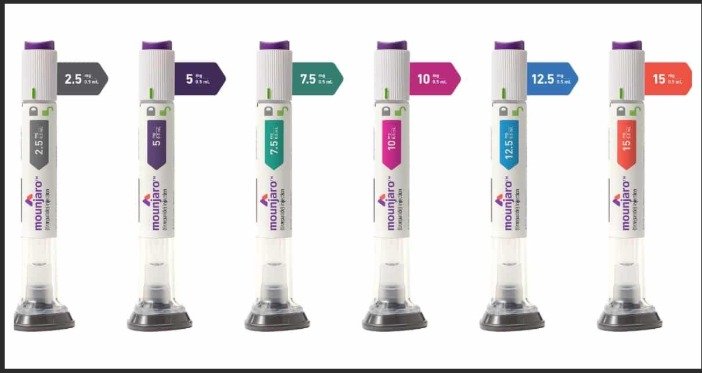
    Mounjaro (tirzepatide) 2.5 mg, 5 mg, 7.5 mg, 10 mg, 12.5 mg, and 15 mg per 0.5 mL injection, is a prescription medicine for adults with type 2 diabetes used along with diet and exercise to improve blood sugar (glucose). It is not known if Mounjaro can be used in people who have had pancreatitis. Mounjaro is not for use in people with type 1 diabetes. It is not known if Mounjaro is safe and effective for use in children under 18 years of age.

    What is Mounjaro used for?

    Mounjaro is used along with exercise and a balanced diet to help manage blood sugar levels in adults with type 2 diabetes.

    Type 2 diabetes is a condition that causes high blood sugar. Having high blood sugar levels over time can raise your risk of other conditions, such as heart attack, kidney problems, vision problems, or nerve conditions. It’s important to manage your blood sugar levels to lower your risk of these conditions.

    Symptoms of type 2 diabetes may include:

    • feeling thirsty

    • urinating more often than usual

    • fatigue

    • blurry vision

    • wounds that are slow to heal

    Mounjaro treats type 2 diabetes by lowering your blood sugar. It does this in multiple ways:

    • by helping your body release more insulin (a hormone that decreases your blood sugar levels)

    • by slowing sugar production in your liver

    • by slowing the emptying of food from your stomach, which can make you feel full for longer

    Mounjaro has two limitations of use:

    • The drug isn’t approved for use in people with type 1 diabetes.

    • In people with pancreatitis (swelling and inflammation of the pancreas) or who have had this condition in the past, Mounjaro should not be used for treatment.

    What are Mounjaro’s side effects?

    Like most drugs, Mounjaro may cause mild or serious side effects. The lists that follow describe some of the more common side effects that Mounjaro may cause. These lists don’t include all possible side effects.

    Keep in mind that side effects of a drug can depend on:

    • other health conditions you have

    • other medications you take

    Your doctor or pharmacist can tell you more about the potential side effects of Mounjaro. They can also suggest ways to help reduce side effects.

    Serious side effects

    Serious side effects from Mounjaro can occur, but they aren’t common. If you have serious side effects from Mounjaro, call your doctor right away.

    Serious side effects of Mounjaro that have been reported include:

    • pancreatitis (swelling and inflammation of the pancreas)

    • gallbladder problems

    • hypoglycemia (low blood sugar)

    • severe digestive side effects, such as severe nausea, vomiting, or diarrhea, which may lead to dehydration and kidney problems

    • boxed warning: risk of thyroid cancer

    • severe allergic reaction

    Conclusion:

    Mounjaro (tirzepatide) marks a significant advancement in the treatment of type 2 diabetes, offering a dual-action approach through GIP and GLP-1 receptor activity. While it has shown promising results in managing blood sugar and supporting weight loss, it’s important to understand its uses, limitations, and potential side effects. As always, consult your healthcare provider to see if Mounjaro is right for you—and stay informed as research continues to evolve around this game-changing therapy.

    Elite Expertise is always committed to equipping pharmacists and healthcare professionals with the knowledge, confidence, and clinical skills they need to thrive in a rapidly evolving pharmaceutical landscape. Whether you’re preparing for international licensing exams or aiming to stay current and ahead in your professional path, our evidence-based courses and expert-led guidance ensure you are always a step ahead. Follow us if you want to stay current with healthcare content like this!

    Stay updated. Stay empowered!

    ⚠️ Disclaimer

    The information provided in this article is for educational and informational purposes only and is not intended as a substitute for professional medical advice, diagnosis, or treatment. Always seek the advice of your physician, pharmacist, or other qualified healthcare provider with any questions you may have regarding a medical condition or treatment, including Mounjaro (tirzepatide). Never disregard professional medical advice or delay in seeking it because of something you have read here. The mention of specific countries or product approvals is accurate to the best of our knowledge at the time of writing but may change as regulatory decisions evolve.

    About the Author

    Sahana Rao

    Sahana Chinthapatla is renowned for her expertise in scientific and medical writing, backed by an MPharm in Pharmacology and years of experience in research analysis and scientific writing.

    As the Head Business Writer at Elite Expertise, she provides insightful and well-researched content on KAPS, OPRA, PEBC, PSI and global pharmacy pathways, guiding aspiring pharmacists in their professional journeys.

    Follow On

    Head Business Writer | Elite Expertise

  • 8 Benefits of Passing PSI Exam for Pharmacists in 2025

    For an internationally trained pharmacist who aims to become a registered pharmacist in Ireland, it’s very crucial to understand the process. Passing the PSI (Pharmaceutical Society of Ireland) equivalence exam is the first stepping stone towards the dream. It validates your qualification in Ireland and opens up a wide range of opportunities for personal and professional growth. Through the 8 benefits of passing the PSI equivalence exam, let’s learn how a candidate can start preparing with Elite Expertise to get there easily.

    1. International pharmacists are recognized as licensed pharmacists in Ireland

    After successfully clearing the PSI equivalence examination, internationally trained pharmacists are recognized as licensed pharmacists in Ireland. With this recognition, they are allowed to work legally in Ireland. It will widely enhance the growth of a pharmacist in the Ireland healthcare sector by building trust with patients and employers.

    2. Open doors to new job roles

    Candidates can explore diverse job roles beyond community pharmacies with the license in hand. Whether you are interested in hospital settings, pharmaceutical industries, clinical research, or regulatory affairs, passing the exam enables you to access the positions that require full professional registrations.

    3. Candidates can expect a better salary package.

    Licensed pharmacists can expect a better salary package than non-licensed freshers or assistants. Passing the equivalence exam qualifies you for well-compensated positions and often includes benefits such as bonuses, relocation packages, or pension schemes

    4. Wide Opportunities to grow professionally

    Ireland offers numerous professional development options for registered pharmacists, including postgraduate education, specialization, and leadership roles. Once licensed, you can take full advantage of CPD (continuing professional development) program and mentorship opportunities

    5. Pharmacist can impact patient’s health & safety

    By gaining a license in Ireland, pharmacists have become an integral part of the Irish healthcare system. A pharmacist’s role in patient safety and health is very crucial in the Ireland community. Your role in patient care, medication management, and health education directly contributes to improved patient outcomes and overall public health

    6. Upgrade knowledge & confidence

    Preparing for and passing the PSI Equivalence Exam helps reinforce your pharmaceutical knowledge and boosts your confidence in handling Irish clinical practices, legislation, and ethical responsibilities.

    This upgraded skill set enhances both competence and performance in a real-world setting

    7. Lifelong learning support

    Ireland’s healthcare environment encourages continuous education. Registered pharmacists can access structured CPD programs and professional networks supporting lifelong learning and career development.

    8. Career mobility

    A PSI license doesn’t just benefit you in Ireland. It also enhances your global credentials. Being licensed pharmacists in Ireland can make it easier to apply for roles or registration in other countries with mutual recognition or similar healthcare sectors.

    💡 Related Read:

    How to Become a Pharmacist in Ireland After B.Pharm, M.Pharm, or Pharm.D (Latest PSI Update)

    How is Elite Expertise the best to choose for the PSI Equivalence Exam Course?

    When preparing for the PSI equivalence exam, choosing the right training partner is crucial, and that’s where Elite Expertise stands out. Here is why:

    1. Tailored curriculum: Our course is designed for internationally trained pharmacists targeting the PSI exam.

    2. Experienced Mentors: Learn from qualified experts with experience guiding pharmacists through licensing pathways. Our globally recognized educators are:

    3. Arief Mohammad-accredited consultant clinical pharmacist in Australia

    4. Harika Bheemavarapu-accredited consultant clinical pharmacist in Australia

    5. Rifga Mohammad-A Licensed Pharmacist in Ireland

    6. Flexible learning mode-80+ live lectures and recordings of each class,1000+ mock tests, personalized study plan to fit into your schedule

    7. Comprehensive support exam strategies to resume preparation assistance, we give 24*7 admin support to clarify all doubts.

    Conclusion:

    Passing the PSI Equivalence exam opens a gateway to professional recognition, better career opportunities, and personal growth as a pharmacist in Ireland. With the proper PSI Equivalence exam preparations and guidance, success is well within your reach. Elite Expertise provides tools, mentorship, and support to help you achieve your goals confidently and efficiently. Start your journey today and unlock a brighter future in pharmacy.

    ⚠️ Disclaimer

    The information provided in this blog is for general educational and informational purposes only. While Elite Expertise strives to keep the content accurate and up to date based on current guidelines from the Pharmaceutical Society of Ireland (PSI), official sources should always be consulted for the latest requirements, exam structures, and registration processes. The benefits and outcomes mentioned may vary based on individual circumstances, qualifications, and experience. For personalized guidance, candidates are encouraged to consult the PSI official website or contact the regulatory authority directly.

    About the Author

    Krupa Karamchand

    Content Writer | Elite Expertise

    Krupa Karamchand is a B. Pharm graduate and KAPS-qualified pharmacist with over 7 years of experience in the pharmaceutical field. As an experienced SEO content writer, she combines her in-depth healthcare knowledge with proven digital strategies to create informative, engaging, and search engine–optimized blogs. Krupa is passionate about making complex medical topics easy to understand and accessible to all readers.

    Follow On

  • 2025 OPRA Exam Syllabus Changes & Preparation Guide

    The Overseas Pharmacists Readiness Assessment (OPRA) exam is crucial for overseas-trained pharmacists aspiring to become registered pharmacists in Australia. Recently, several changes have happened to this examination, including a name change from Knowledge Assessment of Pharmaceutical Sciences (KAPS) to OPRA. It is designed to assess the clinical and practical readiness of international pharmacy graduates. The OPRA exam is conducted by the Australian Pharmacy Council (APC). Recently, APC had brought some modifications to the syllabus and exam, which reflects the evolving healthcare sector of Australia.

    This blog post contains the changes that highlight what’s new in 2025 and provides guidance on how to prepare effectively. It also offers special insights into the expert-led coaching provided by Elite Expertise, trained by seasoned clinical pharmacists Mr. Arief Mohammad and Mrs. Harika Bheemavarapu.

    💡 Related Read:

    OPRA Exam vs. KAPS Exam: Key Changes in Australia’s Pharmacy Licensure Process

    Why was the OPRA Exam syllabus updated?

    The practice as a pharmacist in Australia is continually adapting to new healthcare technologies, patient-centered care models, and intern professional collaboration. These changes demand that assessment tools like OPRA stay current & comprehensive. The 2025 OPRA syllabus update reflects:

    • Increased emphasis on clinical scenarios and patient safety topics

    • Integration of digital health and electronic prescription

    • Expanded pharmacist role in chronic disease management and vaccinations

    • Updated Australian healthcare guidance and protocols

    What is the OPRA Exam syllabus?

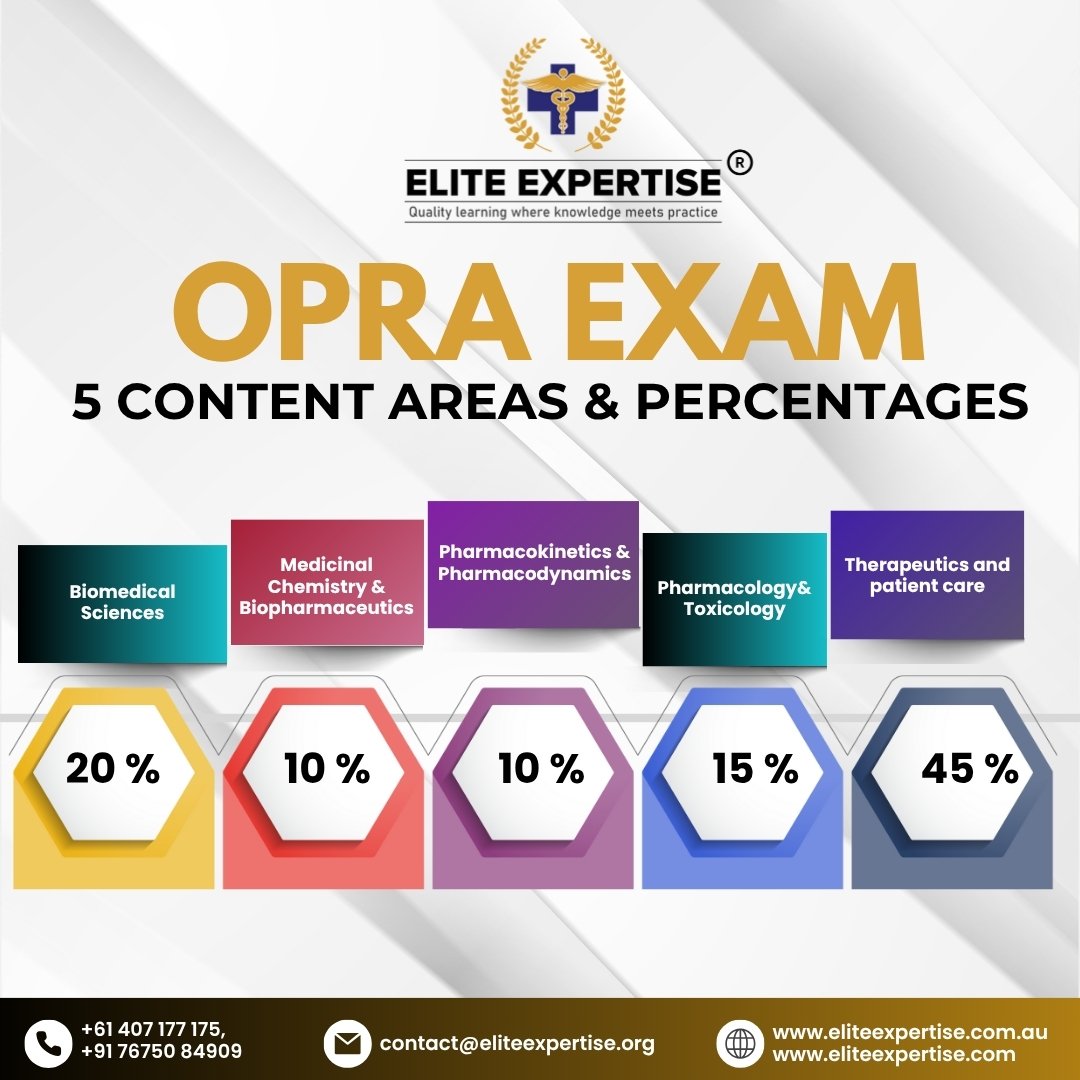
    OPRA exam mainly consists of 5 major content areas

    Detailed breakdown of the OPRA Exam syllabus (2025)

    New topics introduced
    1. Biomedical science
    2. Medicinal Chemistry & bio pharmaceutics
    3. Pharmacokinetics & pharmacodynamics

    4. Pharmacology & toxicology
    5. Therapeutics & patient care

    What are the changes in the exam format?

    The format of the OPRA exam in 2025 has been streamlined for better assessment of real-world skills:

    • Multiple-choice questions: single paper with 120 MCQ-based questions, which is conducted in a computer-based setup at designated APC-approved test centers

    • Scenario-based assessment: Case study type of questions that emphasize clinical aspects and patient care

    • Exam duration: 2.5 hours long

    • Scoring: According to Rasch’s methodology, it is more transparent with criteria focusing on safety, accuracy, and professionalism rather than memorized knowledge

    What are the OPRA exam preparation tips for success?

    1. Focus on clinical reasoning-practice questions on case-study

    2. Stay updated with the Australian guidelines and PBS schedules

    3. Join a professional coaching program to ensure strategic preparation

    4. Simulate the exam environment for practicing mocks with time limits

    5. Master the communications skills for patient counseling & ethical decision-making

    6. Understand the Australian healthcare system and the practices followed in the pharmacies

    💡 Related Read:

    OPRA Exam Common Questions – Everything You Need to Know

    Why choose Elite Expertise for your OPRA preparation?

    Elite Expertise is a premier training institute dedicated to preparing international pharmacists for licensure exams, especially the OPRA exam. Founded by Mr. Arief Mohammad & Mrs. Harika Bheemavarapu, both accredited clinical pharmacists in Australia, Elite Expertise offers:

    • Up-to-date coaching content aligned with the OPRA syllabus

    • 100+ case study or clinical reasoning training with real-life Australian scenarios

    • Exam simulation with exclusive mock tests and SOAP mastery

    • Ongoing mentorship from educators who are actively practicing in Australia

    • Provide a Worksheet and a short note

    • 24*7 admin team support

    • continuous networking with peers and the Elite team on a WhatsApp group

    With a proven record of unmatchable success rate and a tailored approach, Elite Expertise empowers overseas pharmacists with the knowledge and confidence needed to excel

    Final words

    The 2025 OPRA Exam update is a positive shift, aligning the international candidate with real-world expectations of Australian pharmacy practice. While it may seem daunting initially, the proper guidance and OPRA exam preparation can turn this challenge into a stepping stone for a fulfilling pharmacy career in Australia.

    With Elite Expertise by your side, you are not just preparing for an exam; you are preparing for your future.

    ⚠️ Disclaimer

    The information provided on this blog is for informational purposes only. While we strive to provide accurate and up-to-date information about the OPRA exam, the official resources from the Australian Pharmacy Council and the Pharmacy Board of Australia are the definitive sources of information.

    Krupa Karamchand is a B. Pharm graduate and KAPS-qualified pharmacist with over 7 years of experience in the pharmaceutical field. As an experienced SEO content writer, she combines her in-depth healthcare knowledge with proven digital strategies to create informative, engaging, and search engine–optimized blogs. Krupa is passionate about making complex medical topics easy to understand and accessible to all readers.

    Follow On

    About the Author

    Krupa Karamchand

    Content Writer | Elite Expertise

  • How much does pharmacist earn in (2025): A Comprehensive Guide

    Pharmacists are regarded as important members of Australia’s healthcare system. The reason patients receive safe and effective medicines in healthcare setups is due to the engagement of pharmacists in the process.

    With progress and improvements in healthcare, Australia is sure to hire only the most capable and knowledgeable pharmacists in its system for community pharmacies, hospitals and specialized clinics.

    The increasing need for healthcare and an aging population will bring many opportunities for pharmacists from different countries in the near future.

    Internationally trained pharmacists should research the salary and advancement opportunities in Australia because it helps them decide if relocation and career growth are possible. This will not only show them if Australia is the right place for them but will also allow them to check if its salary is in line with other countries, thereby supporting their decision to move abroad in the right way.

    Pathway To Becoming A Registered Pharmacist In Australia

    For internationally trained pharmacists, the journey to practice in Australia involves several important steps. Failure to complete any of these steps might lead you to have an incomplete registration status and your dream to live in Australia might get deterred due to that.

    · Qualification Assessment:

    Submit your academic credentials to the Australian Pharmacy Council (APC) for evaluation.

    · English Proficiency:

    Demonstrate English language skills through tests like PTE or IELTS or OET.

    · Knowledge Assessment:

    Prepare and pass the Overseas Pharmacist Readiness Assessment (OPRA) exam.

    · Internship:

    Complete a supervised internship, typically lasting 12 months.

    · Intern Written and Oral exams:

    Pass the Intern Written and the Oral exams after completion of 75% of the intern hours.

    · Registration:

    Apply for general registration with the Australian Health Practitioner Regulation Agency (AHPRA).

    Average Pharmacist Salaries in Australia

    As of 2025, the average annual salary for pharmacists in Australia is approximately between AUD 90,000 to AUD 110,000, the sum of which equals to around AUD 55.68 per hour.

    Salary Breakdown by Experience Level

    The salary of a pharmacist in Australia is determined by factors such as experience, the region of work, the setting (hospital, community or industry) and how much responsibility they have.

    Here is a detailed look at what pharmacists can expect to earn at various stages of their careers:

    · Intern Pharmacist:

    During the internship year, pharmacists earn between AUD 50,000 and AUD 60,000 annually. Under supervision, intern pharmacists in community or hospital settings generally dispense drugs, counsel patients and get ready for the two major exams needed to complete their intern year – that is, the Australian Intern Written and Oral Exams.

    · Early-Career (1–3 years):

    Salaries range from AUD 75,000 to AUD 90,000 per year. After becoming fully registered, early-career pharmacists can work alone. Some pharmacists stay in community pharmacy, while others move into hospital pharmacy, aged care or work in collaboration with GP clinics.

    · Mid-Level (3–5 years):

    Pharmacists can expect to earn between AUD 65,125 and AUD 80,000 annually. As their job expands, mid-level pharmacists may choose to focus on specific clinical tasks or study further in clinical pharmacy, business management or public health. Some pharmacists shift to hospital pharmacy, begin teaching or participate in research at this point.

    · Experienced (6+ years):

    Salaries range from AUD 91,000 to AUD 114,000 per year. Experienced pharmacists may choose to advance in their careers by working as advanced clinicians, supervising new professionals or starting consultancy services. A few may choose to move into roles such as management or leadership in a business.

    Experienced pharmacists may be given yearly bonuses, money for further training and stipends for leading teams.

    · Pharmacist-in-Charge:

    Those in supervisory roles may earn between AUD 100,000 and AUD 120,000 per year. This position covers running the pharmacy, managing employees, and ensuring all rules set by the Pharmacy Board of Australia are followed.

    · Pharmacy Manager/Owner:

    Earnings can vary widely, often ranging from AUD 120,000 to over AUD 200,000, depending on the business’s success. The highest earners in pharmacies are owners and top managers, but salaries can widely differ depending on the store’s location, size and success.

    Regional Salary Variations

    Pharmacist salaries can differ based on location:

    · Horsham & Grampians, VIC: Up to AUD 170,000 per year.· Alice Springs & Central Australia: Approximately AUD 139,220 annually.· Broome & Kimberley, WA: Around AUD 130,000 per year.· Port Hedland, Karratha & Pilbara, WA: Approximately AUD 130,000 annually.· Bunbury & South West, WA: Around AUD 120,000 per year.

    · Launceston & North East, TAS: Approximately AUD 120,000 annually.

    These figures highlight the higher demand and compensation for pharmacists in rural and remote areas.

    Sector-Based Salary Differences

    Pharmacist salaries in Australia vary significantly across different sectors, influenced by factors such as experience, location, specialization, and the nature of the workplace.

    Below is a comprehensive breakdown:

    · Community Pharmacy:

    Entry-level positions typically offer salaries ranging from AUD 61,956 to AUD 64,480 annually.

    · Hospital Pharmacy:

    Salaries can vary based on experience and location, with some positions offering up to AUD 114,000 per year.

    · Clinical Pharmacy:

    Clinical pharmacists earn between AUD 90,000 and AUD 120,000, depending on the healthcare setting and responsibilities.

    · Consultant Pharmacist And Specialized Roles:

    Specialized roles like oncology or geriatric pharmacists can earn significantly higher, ranging from AUD 110,000 to AUD 130,000+ per year.

    Factors Influencing Pharmacist Salaries

    Several elements can impact a pharmacist’s earning potential, some of which have been highlighted as under:

    · Experience:

    More years in the field typically lead to higher salaries. It automatically adds to the experience level of a pharmacist and makes it easier to judge their competency level.

    · Location:

    Rural and remote areas often offer higher compensation to attract professionals. It is because of the lack or more appropriately, the shortage of pharmacists in such areas that leads to an increased demand of pharmacists, and more job openings.

    · Specialization:

    Pharmacists with expertise in areas like oncology or geriatrics may command higher salaries.

    · Education:

    Advanced degrees can lead to increased earning potential.

    · Work Setting:

    Hospital pharmacists often earn more than those in community settings due to the complexity of care.

    The Role of Elite Expertise in Your Career Journey

    Navigating the path to becoming a registered pharmacist in Australia can be complex, especially for internationally trained professionals.

    Elite Expertise, an educational platform that is trusted by many, offers specialized education and mentorship to guide you through this journey.

    Services Offered by Elite Expertise:

    · Customized OPRA Exam Preparation: Tailored courses to help you succeed in the OPRA (formerly KAPS) exam. This exam is a mandatory requirement that is supposed to be fulfilled by internationally-trained pharmacists to gain access to Australia’s healthcare system. · CV and Document Assistance: Expert guidance on preparing your CV and necessary documents for AHPRA registration.

    · Mentorship: One-on-one support from registered pharmacists who have successfully navigated the registration process.

    · Professional Development: Coaching and interview preparation to enhance your career prospects.

    With the support of Elite Expertise, you can confidently pursue your goal of becoming a registered pharmacist in Australia, positioning yourself for a rewarding career in the healthcare sector.

    The founders, Mrs. Harika Bheemavarapu and Mr. Arief Mohammad are among the pioneers of this trustworthy platform, who have made it their aim to guide and mentor each internationally-trained pharmacist in such a way that their journey becomes easier, smoother, and hassle-free.

    Future Outlook for Pharmacists in Australia

    As Australia’s healthcare continues to change and upgrade over time, pharmacists are becoming more essential in assisting with public health strategies and caring for individual patients.

    According to Labour Market Insights by Jobs and Skills Australia, the demand for pharmacists is projected to grow by approximately 14.7% between 2023 and 2028.

    This means more than 5,000 new jobs are expected to be created across both metro and regional areas, offering strong prospects for aspiring pharmacists and internationally trained professionals looking to establish their careers in Australia.

    Conclusion

    There is no doubt about the fact that pharmacists, whether locals or internationally-trained ones, working in Australia enjoy competitive salaries, with opportunities for increased earnings based on experience, location, and specialization. However, the salary packages differ from region to region, and are also dependent upon various factors that make the job either a competitive one or a relaxed one.

    As an internationally-trained pharmacist, an important thing to keep in mind is that by leveraging resources like Elite Expertise, you can navigate your way seamlessly through the registration process effectively and position yourself for success in the Australian healthcare system.

    It is also important to note that all salary figures are approximate and may vary based on specific circumstances and changes in the job market.

    This blog is for informational purposes only and represents the views and interpretations of Elite Expertise regarding career opportunities in pharmacy. While we aim to provide accurate and up-to-date insights, pharmacy licensing requirements, immigration policies, and healthcare regulations may vary by country and are subject to change.EliteExpertise does not accept responsibility for any decisions made based on the information provided in this article.

    ⚠️ Disclaimer

    About the Author

    Sahana Rao

    Sahana Chinthapatla is renowned for her expertise in scientific and medical writing, backed by an MPharm in Pharmacology and years of experience in research analysis and scientific writing.

    As the Head Business Writer at Elite Expertise, she provides insightful and well-researched content on KAPS, OPRA, PEBC, PSI and global pharmacy pathways, guiding aspiring pharmacists in their professional journeys.

    Follow On

    Head Business Writer | Elite Expertise

  • Top PEBC Evaluating Exam Books (2025) | Elite Expertise

    What is the PEBC Evaluating Exam Structure?

    The PEBC Evaluating exam tests the foundational knowledge of candidates in pharmacy, mainly in 3 major primary subject areas.

    Core Subjects Covered:

    1. Pharmaceutical sciences

    2. Pharmacy Practice

    3. Behavioral, social, & Administrative pharmacy science

    Based on past experience and the candidate’s feedback, we can assume some of the topics have more weightage in the examination

    • Pharmacology, therapeutic care, & pharmacy practice generally carry the most weightage

    • Pharmaceutical chemistry and pharmaceutics are also substantial

    • Basic sciences like microbiology and biochemistry are tested with moderate frequency

    Also Read: PEBC Evaluating Exam: Major Updates Coming in June 2025

    How to Choose the Best Study Book/Resource?

    When selecting the reference material, consider the following criteria:

    1. The book should contain major topics that are covered in the PEBC syllabus

    Ensure the book content reflects current pharmaceutical practices and Canadian standards

    2. The author should have credibility

    Books authored by subject matter experts, pharmacists, or academic faculty tend to be more accurate and reliable.

    3. Clear explanation with user-friendly prompts

    Choose books that explain concepts clearly, with illustrations, clinical case studies, and chapter-end summaries and questions.

    Also Read: What to Expect in PEBC Exam – Full Syllabus Breakdown

    Which are the most commonly used books and guides for PEBC preparation?

    The following books are consistently listed in the PEBC reference list (as per the April 2025 PEBC Reference document) and highly rated by prep programs like Elite Expertise.

    For Pharmaceutical Sciences

    • Ansel’s Pharmaceutical Dosage Forms-Allen et al.

    • Basic & Clinical Pharmacology-Katzung (Vanderah et al.)

    • Goodman & Gilman’s: The Pharmacological Basic of Therapeutics-Brunton et al.

    • Applied Biopharmaceutics & Pharmacokinetics – Shargel & Yu

    For Pharmacy Practice

    • Remington: The Science & Practice of Pharmacy –Adejare

    • Pharmacotherapy: A pathophysiological approach-DiPiro et al.

    • Pharmaceutical Care Practice et al.

    • Patient Assessment in Clinical Pharmacy-Mahmoud (ed)

    Behavioral and Administrative Science

    • Essential pharmacoeconomics-Rascati

    • Ethics in Pharmacy Practice-Sullivan et al.

    • Pharmacoepidemiology-Strom et al.

    Most Recommended books with their specifications:

    What are the study tips to use these books effectively?

    1.Build a targeted study plan
    • Break down the topics by weeks, balancing heavy and light content

    • Dedicate extra time to areas like therapeutics and calculations

    2. Use active recall techniques
    • Create flashcards with apps like Anki or Quizlet

    • Practice diagramming drug mechanisms or disease pathways

    3. Combine reading with practice
    • Use comprehensive Q&A guides or enroll in courses like the PEBC Preparatory course offered by Elite Expertise.

    • Take timed mock exams to simulate test conditions.

    4. Focus on weak areas
    • Use diagnostic tests to pinpoint gaps

    • Consider supplement materials like CFS full access or therapeutic choice from the Canadian Pharmacist Association.

    Beyond books: other effective study resources
    • Online Portals & Mock Tests

    Elite Expertise PEBC preparatory course, Tailored guidance from licensed pharmacists and educators in Australia and Canada. It is ideal for structured learning, real-time doubt resolutions, and practice sessions.

    Why Choose Elite Expertise For PEBC Prep?

    With the PEBC Content evolving, it’s more important than ever to combine traditional texts and modern instructions for better preparation. At Elite Expertise, we offer a comprehensive PEBC preparatory course, which is delivered by our expert educators. Arief Mohammad & Mrs. Harika Bheemavarapu, who are accredited consultant clinical pharmacists in hospitals, Melbourne. We also have a licensed Canadian Pharmacist, Mrs. Shyma who specializes in her lectures on Ethics and law of Canadian healthcare system.

    Key features include:
    • 400+ hours of live and recorded lectures.

    • Targeted crash courses with intensive revision

    • 24*7 admin support

    • 24*7 connectivity with the peer study WhatsApp group and mentor support

    • Exclusive access to high-quality mock tests

    • 1:1 personalized study plan & counseling

    Also Read: IS CANADIAN PHARMACIST PEBC EXAM EASY TO CLEAR?

    Final thought

    Preparing for the PEBC Evaluating exam isn’t just about learning; it’s about strategic preparation using verified resources, understanding the exam structure, and building confidence through practice. By combining top-notch reference books, online tools, and expert instructions from educators in Elite Expertise, you will maximize your chances of success.

    This blog is for informational purposes only and reflects our views and interpretations. While we strive for accuracy, licensing requirements and regulations may change. Readers are advised to verify information with official sources such as the Pharmacy Examining Board of Canada (PEBC) and the National Association of Pharmacy Regulatory Authorities (NAPRA) before making any decisions. We do not assume responsibility for any actions taken based on the information provided.

    ⚠️ Disclaimer

    About the Author

    Krupa Karamchand

    Krupa Karamchand is a B. Pharm graduate and KAPS-qualified pharmacist with over 7 years of experience in the pharmaceutical field. As an experienced SEO content writer, she combines her in-depth healthcare knowledge with proven digital strategies to create informative, engaging, and search engine–optimized blogs. Krupa is passionate about making complex medical topics easy to understand and accessible to all readers.

    Follow On
    Content Writer | Elite Expertise

  • Dementia: Causes, Symptoms, Types & Care Options

    Dementia

    Dementia is the most common conditions affecting the older adults globally. These days this term is heard very frequently let’s understand this condition deeper.

    Decoding Dementia:

    The term Dementia has originated from Latin: DE+MENTIS

    • “de-“: meaning “away from” or “loss of”

    • “mens” or “mentis”: meaning “mind,” “intellect,” or “reason”

    Therefore, Dementia literally means “away from mind or loss of mind/ intellect”.

    In simpler version Dementia means a decline or loss of mental abilities that are important to hinder with a person’s daily life and independence.

    Keys Facts on Dementia:

    • Did you know that Dementia is the seventh leading cause of death amongst the older people worldwide.

    • Not just that it is one of the most common conditions for the dependency and cause of disability in older people.

    • In 2021, according to WHO there were 57 million patients suffering from this condition and majority of them were from the low and middle income countries.

    • Dementia results from a variety of diseases and injuries that affect the brain. Alzheimer disease is the most common form of dementia and may contribute to 60–70% of cases.

    What Is Dementia?

    Dementia is not a single disease but an umbrella term for a several diseases that affect memory, thinking and ability to perform the daily activities.

    In Dementia theer is a decline in the cognitive function—thinking, remembering, and reasoning—that interferes with a person’s daily life. It is more than the occasional forgetfulness that comes with aging.

    Types of Dementia and the cause:

    There are various kinds of Dementia:

    • Alzheimer’s disease: This is the most common type of Dementia, which is characterized by the buildup of abnormal proteins in the brain.

    • Vascular dementia: This is often due to strokes or other vascular conditions caused due to decreased blood flow to the brain.

    • Lewy body dementia: This is due to abnormal protein deposits (Lewy Bodies) in the brain leading to fluctuations in alertness, visual hallucinations, and movement problems.

    • Frontotemporal dementia: This leads to changes in personality, behavior, and language affecting the frontal and temporal lobes of the brain.

    • Mixed dementia (a combination of types)

    Symptoms of Dementia:

    Early signs and symptoms are:

    • forgetting things or recent events

    • losing or misplacing things

    • getting lost when walking or driving

    • being confused, even in familiar places

    • losing track of time

    • difficulties solving problems or making decisions

    • problems following conversations or trouble finding words

    • difficulties performing familiar tasks

    • misjudging distances to objects visually.

    Common changes in mood and behaviour include:

    • feeling anxious, sad, or angry about memory loss

    • personality changes

    • inappropriate behaviour

    • withdrawal from work or social activities

    • being less interested in other people’s emotions.

    What are the Risk factors of Dementia?

    Risk Factors Include:

    • Age (especially over 65)

    • Family history

    • Being overweight or obese

    • Being socially isolated

    • Depression

    • Cardiovascular conditions (e.g., hypertension, diabetes)

    • Smoking and alcohol use

    • Head injuries

    • Sedentary lifestyle and poor diet

    Can Dementia Be Treated or Prevented?

    • As of current situation there is no cure for majority of the types of Dementia. But progression can be slowed and quality of life could be improved with early diagnosis and management.

    • The quality of life could be improved by being physically active, taking part in activities and social interactions that stimulate the brain and maintain daily function.

    Medications that can help manage dementia symptoms:

    • Alzheimer disease can be treated with Cholinesterase inhibitors like donepezil.

    • Incase of severe Alzheimer disease and vascular dementia, NMDA receptor antagonists like memantine are used.

    • Medicines to control blood pressure and cholesterol can prevent additional damage to the brain due to vascular dementia.

    • Selective serotonin reuptake inhibitors (SSRIs) can help with severe symptoms of depression in people living with dementia if lifestyle and social changes don’t work, but these should not be the first option.

    • Lifestyle changes: Regular exercise, a heart-healthy diet, and social interaction can reduce risk or delay progression.

    • Cognitive therapy: Engaging in puzzles, reading, or memory games may help.

    • In patients with self-harm or harming others, medicines like haloperidol and risperidone can help.

    • Support systems: Caregiver training and support groups play a vital role in managing dementia.

    Final Thoughts:

    Age is one of the strongest known risk factors for dementia, but that’s inevitable. Therefore, other factors like being physically active, weight control, eating healthy, quitting smoking, low cholesterol and sugar levels can help reduce their risk of cognitive decline and there are studies to prove this. Dementia does not exclusively affect older people – young onset dementia (defined as the onset of symptoms before the age of 65 years) accounts for up to 9% of cases. Additional risk factors include depression, social isolation, low educational attainment, cognitive inactivity and air pollution. Dementia is a significant global health challenge but with strong understanding, increased awareness and compassion, life of these patients and their families can be made easy, let’s move beyond the stigma.

    This blog is intended for informational purposes only and reflects the views and interpretations of Elite Expertise regarding dementia and related healthcare topics. While we strive to provide accurate and current information, medical knowledge and treatment guidelines may evolve. This content is not a substitute for professional medical advice, diagnosis, or treatment. Always consult with a qualified healthcare provider regarding any questions or concerns about medical conditions. Elite Expertise is not responsible for any actions taken based on the information presented in this article.

    ⚠️ Disclaimer

    About the Author

    Sahana Rao

    Sahana Chinthapatla is renowned for her expertise in scientific and medical writing, backed by an MPharm in Pharmacology and years of experience in research analysis and scientific writing.

    As the Head Business Writer at Elite Expertise, she provides insightful and well-researched content on KAPS, OPRA, PEBC, PSI and global pharmacy pathways, guiding aspiring pharmacists in their professional journeys.

    Follow On

    Head Business Writer | Elite Expertise

  • Anemia: Causes, Symptoms, Types & Treatment Options

    Anemia is mainly found in Low- and lower-middle-income countries especially in population residing in the rural areas with low -income and no formal education.

    • Mainly young children, menstruating adolescent girls and women, pregnant and postpartum women, are majorly affected by Anemia.

    • According to WHO, 40% of all children aged 6–59 months, 37% of pregnant women and 30% of women 15–49 years of age are affected by anaemia around the world.

    • In the year 2019, 50 million lives were lost due to Anemia.

    • The dietary iron deficiency, thalassaemia and sickle cell trait, and malaria being the largest cause.

    What is the normal range of hemoglobin?

    The Normal ranges of Hemoglobin will vary based on age, sex, and health issues:

    Men: 13.8-17.2 g/dL

    Women: 12.1-15.1 g/dL

    Children: 11-16 g/dL

    Pathophysiology of Anemia:

    • The pathophysiology of anemia varies based on the underlying etiology or the cause.

    • It involves one or more mechanisms such as:

    • Acute or chronic bleeding causing blood loss.

    • Nutritional deficiencies, bone marrow disorders, or chronic disorder may lead to decreased production of red blood cells.

    • Blood cells destruction increases for example in hemolytic anemia

    • This imbalance reduces the amount of oxygen delivered to body’s tissues, inturn activating the compensatory responses such as increased heart rate and respiratory rate.

    What are the Types of Anemias?

    • Depending upon the cause, Anemia is classified into several types which are as follows:

    • Iron deficiency anemia: As name the name indicates this is caused due to insufficient iron. This is the most common type anemia. Iron is required by the bone marrow to prepare healthy hemoglobin but in deficiency the bone marrow produces smaller and paler Hb, leading to a condition where not enough oxygen is carried to the body’s tissues.

    • Vitamin B12 or folate deficiency anemia: Due to a deficiency in Vitamin B12 the bone marrow produces large and abnormal Hb. This condition might be due to poor dietary intake or absorption.

    • Anemia of chronic disease: This is the second most common type of anemia after Iron deficiency anemia. It’s a condition where with long term (chronic) illnesses may lead to chronic inflammation which prevents the body from effectively using the iron stored in the body to make RBCs.

    • Hemolytic anemia: resulting from the premature destruction of red blood cells. Normally, the RBCs life span in the body is 120 days before they are naturally removed from circulation. But due to premature hemolysis, the body removes RBCs faster than they can be produced leading to in reduced oxygen supply to the body’s tissues.

    • Aplastic anemia: The hemopoietic cells in the bone marrow are responsible for the production of all blood cell types like RBCs, WBCs, platelets etc. This spongy bone marrow becomes empty or aplastic in the bones leading to not enough production of RBCs.

    • Sickle cell anemia: A genetic mutation causes the production of abnormal hemoglobin called the HbS instead of normal HbA. This genetic condition where in the presence of HbS the red blood cells are abnormally shaped or sickle-shaped.

    • Thalassemia: inherited blood disorder affecting hemoglobin production. When there is not enough functional Hb, the RBCs become fragile and get destroyed prematurely leading to anemia.

    What are the Causes of Anemia:

    • There are many causes for anemia to name a few:

    • Nutritional deficiencies: lack of iron, vitamin B12, or folic acid are a few reasons. Other nutritional deficiencies like severe Vitamin A deficiency, copper deficiency, Vitamin C deficiency and protein-energy malnutrition leads to anemia too.

    • Chronic disease: Chronic kidney disorder (CKD), cancer, autoimmune disorders, Chronic liver disorders, Severe trauma or burns may lead to Anemia.

    • Blood loss: menstruation, ulcers, trauma, gastrointestinal bleeding, surgery, obstetric emergencies (postpartum bleeding after childbirth), Ruptured aneurysm etc may lead to Anemia.

    • Genetic disorders: sickle cell disease, thalassemia

    • Medications & toxins: Certain drugs or chemical exposure can impair red blood cell production

    What are the Symptoms of anemia?

    Symptoms of anemia include:

    • Fatigue and tiredness

    • Pale or yellowish skin

    • Shortness of breath

    • Bruising more easily

    • Pale mucous membranes

    • Cold hands and feet

    • Dizziness and lightheadedness

    • Irregular or rapid heartbeat

    • Chest pain

    • Headache

    • Brittle nails

    How to Diagnosis

    To diagnose anemia, there are several ways which healthcare professionals may recommend to find out the condition:

    • Complete blood count (CBC): To measure hemoglobin, hematocrit, and red blood cell count

    • Peripheral blood smear: to examine the shape and size of blood cells

    • Hemolytic anemia: Bilirubin, Haptoglobin, Lactase Dehydrogenase (LDH) levels

    • Reticulocyte count: Measures the number of immature cells in the body

    • For iron deficiency anemia: Serum iron, ferritin, Total Iron Binding Capacity (TIBC)

    • vitamin B12, and folate levels

    • Bone marrow biopsy (if required)

    • Stool test : to detect gastrointestinal bleeding

    What are the Treatment Options

    The underlying cause determines the treatment:

    • Iron supplement: for iron deficiency anemia

    • Vitamin B12 or folate therapy: Oral or injectable supplements

    • Aplastic Anemia: Supportive care like blood transfusion, antibiotics/Antifungals, bone marrow transplant, Immunosuppressive therapy or IST.

    • Treating underlying conditions: managing chronic disease

    • Blood transfusions: for severe anemia or rapid blood loss

    • Sickle cell anemia: drugs for pain management, Hydroxyurea, Blood transfusions, folic acid supplements, Bone marrow transplant, gene therapies.

    • Erythropoiesis-stimulating agents (ESAs)-for anemia of chronic disease, like chronic kidney disease or certain cancers

    • Bone marrow transplant: in several aplastic anemia or certain genetic types

    • Dietary changes: iron-rich food, vitamin C to enhance iron absorption

    What are the Prevention tips:

    Maintaining good health and preventing anemia involves:

    • Eat balanced diet: include iron-rich foods (red meat, poultry, fish, beans, lentils, leafy greens) vitamin C (Citrus fruits), B vitamins, dry fruits, nuts, seeds etc.,

    • Avoid overuse of antacids: they can reduce iron absorption

    • Be mindful of iron inhibitors like: calcium supplements and calcium rich foods, limit Phytates and tannins

    • Limit tea and coffee: they may interfere with iron absorption when consumed with meals

    • Regular checkups: especially for women, older adults, and those with chronic illness

    • Manage chronic disease: good control of diabetes, kidney disease, and other long-term conditions

    • Genetic counseling or screening

    • Prenatal care: Iron and folic acid supplement during pregnancy

    Conclusion:

    Anemia as discussed is a condition where the blood lacks sufficient healthy RBCs or Hb leading to impaired ability to transport oxygen to the body’s tissues. Anemia is a diverse condition where the causes of the disease are many. If left untreated, anemia can impact quality of life. Therefore, early recognition, accurate diagnosis, and proper treatment are crucial. While certain conditions of anemia may be unavoidable as they are genetic the other conditions can be avoided and managed with healthy lifestyle choices, regular screenings, and appropriate medical care.

    This blog is for informational purposes only and reflects the views and interpretations of Elite Expertise regarding health-related topics such as anemia. While we strive to provide accurate and up-to-date information, medical guidelines, treatment protocols, and healthcare policies may vary by region and are subject to change. This content is not intended as a substitute for professional medical advice, diagnosis, or treatment. Always consult a qualified healthcare provider for personalized medical guidance. Elite Expertise does not accept responsibility for any decisions made based on the information provided in this article.

    ⚠️ Disclaimer

    About the Author

    Sahana Rao

    Sahana Chinthapatla is renowned for her expertise in scientific and medical writing, backed by an MPharm in Pharmacology and years of experience in research analysis and scientific writing.

    As the Head Business Writer at Elite Expertise, she provides insightful and well-researched content on KAPS, OPRA, PEBC, PSI and global pharmacy pathways, guiding aspiring pharmacists in their professional journeys.

    Follow On

    Head Business Writer | Elite Expertise