Blog

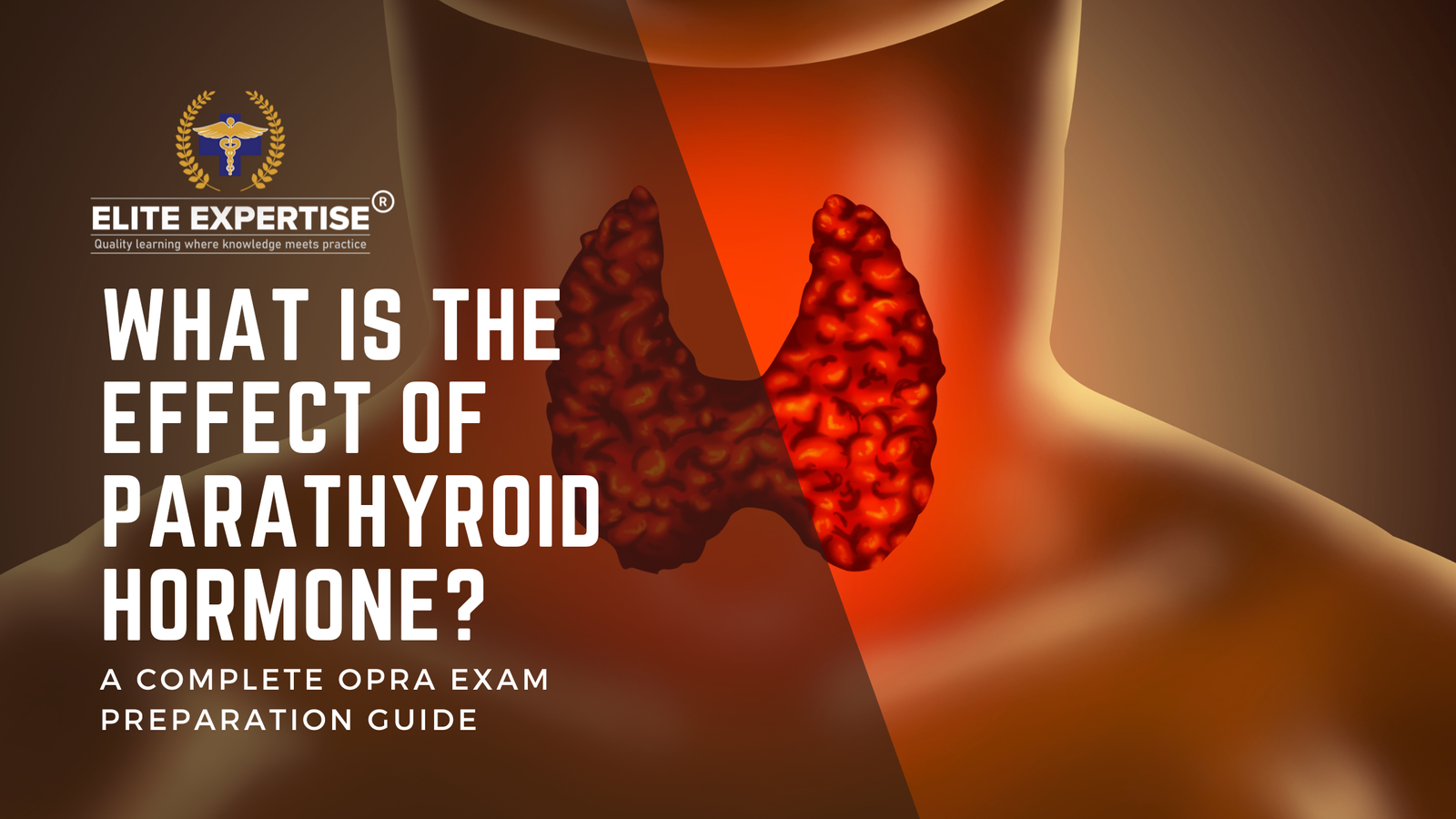
  • Effect of Parathyroid Hormone (PTH): Functions, Disorders & OPRA Exam Guide 2025

    Key Takeaways:

    • Two major glands of the endocrine system are Thyroid gland and parathyroid glands.

    • Thyroid gland is responsible for metabolism, calcitonin lowers calcium.

    • Parathyroid glands is responsible for balancing calcium-phosphate levels in blood

    • PTH(Parathyroid hormone) raises calcium and lowers phosphate.

    • Increased release of PTH hormone results in Hyperparathyroidism. It causes hypercalcemia, kidney stones, bone fragility.

    • Reduced release of PTH hormone results in Hypoparathyroidism causing hypocalcemia, tetany, neuromuscular symptoms.

    • Best Mnemonics related to this topic is “Stones, Bones, Groans, Moans” & “CATS go numb”

    There are two major glands in the endocrine system – The thyroid and parathyroid glands. These are crucial parts for normal functioning of a body. Normal metabolism is the major function of the thyroid gland and the parathyroid glands keeps the balance between calcium and phosphate in the body through the release of PTH (Parathyroid hormone).

    These high yield topics such as these crucial hormones are very important for competitive exams like OPRA (Overseas Pharmacist Readiness Assessment) exam. It assesses the knowledge and skills of international candidates to work effectively and safely in Australia. ParaThyroid Hormone is an important hormone. It regulates calcium thus it maintains bone health, overlooking the renal function, checks the neuromuscular stability, and manages endocrine disorders.

    This blog provides comprehensive details regarding parathyroid hormone, its actions, mnemonics to remember, FAQs, and key takeaways to boost your preparation.

    About Thyroid Gland: For a quick check

    It is a butterfly shaped gland located in the front side of neck

    Thyroid gland excretes mainly three hormones

    • Thyroxine (T4)-it controls metabolism and growth

    • Triiodothyronine (T3) – which is more active form of thyroid hormone

    • Calcitonin-which lowers calcium by increasing deposition in bones.

    Function of thyroid gland:

    • It regulates bodily metabolism, temperature, and heart rate

    • It works opposite to parathyroid hormone to balance calcium levels in body

    About the Parathyroid gland:

    • These are small-four glands located behind the thyroid gland

    • Main role of parathyroid gland is to secrete parathyroid hormone (PTH)

    • Main function of PTH is to regulate the calcium and phosphate levels in blood

    • It is essential for bone and kidney functions, but has no influence on metabolism

    Effects of Parathyroid Hormone:

    Effect on bones

    • it stimulates resorption of calcium to bones

    • Releases calcium and phosphates into the blood as per the need

    Effect on kidneys

    • It increases calcium reabsorption from urine

    • It also promotes phosphate excretion

    • It also activates an enzyme, 1α-hydroxylase enzyme which converts vitamin D into active calcitriol

    Effect on Intestine

    It will increase the absorption of calcium via calcitriol

    What are the conditions related to parathyroid hormone imbalances?

    Mnemonics for The OPRA exam preparation

    Symptoms of abnormal PTH levels

    Low Calcium (Hypocalcemia) in the blood causes Hypoparathyroidism

    It results in:

    • Brain fog or confusion

    • Dry skin, brittle nails

    • Muscle cramps

    • Tingling (paresthesias) in lips, fingers, feet

    High Calcium (Hypercalcemia) in the blood causes Hyperparathyroidism

    It results in:

    • Fatigue

    • Headaches

    • Joint and bone pain

    • Frequent urination, excessive thirst

    Thyroid vs Parathyroid gland functions

    Conclusion

    In our body, the thyroid and parathyroid glands are responsible for maintaining metabolic and mineral balance. The thyroid gland regulates metabolism and reduces calcium by resorption via calcitonin, the parathyroid increases calcium and reduces phosphate via PTH.

    For OPRA exam success, remember:

    • What are the effects of PTH on bones, kidneys, intestines?

    • What are the main features of Hyper- and hypoparathyroidism?

    • Mnemonics for revisionMastering these topics ensures you are well-prepared for clinical and theoretical exam questions.

    About the Author

    Krupa Karamchand

    Content Writer | Elite Expertise

    Krupa Karamchand is a B. Pharm graduate and KAPS-qualified pharmacist with over 7 years of experience in the pharmaceutical field. As an experienced SEO content writer, she combines her in-depth healthcare knowledge with proven digital strategies to create informative, engaging, and search engine–optimized blogs. Krupa is passionate about making complex medical topics easy to understand and accessible to all readers.

    Follow On

  • What Happens After Passing the OPRA Exam? PR Pathways for Pharmacists in Australia 2025

    Key Takeaways

    • OPRA is a must for pharmacists abroad who want to work in Australia via the Knowledge Stream.

    • Successful completion of OPRA positive skills assessment, a prerequisite for PR visa.

    • Internship in total 1,575 hours of supervised practice.

    • The Written & Oral Exams for the Intern are the last barriers before the general registration.

    • There are different visa choices such as 189, 190, 491 — the pharmacist is among the most requested occupations on the state lists.

    • Good English and partner points can give you a lot of advantages in your migration chance.

    The successful passing of the Overseas Pharmacist Readiness Assessment (OPRA) exam is a massive step taken by a pharmacist trained overseas. It advocates that your knowledge meets the standards of Australia and that you are eligible for provisional registration along with a positive skills assessment—one of the main prerequisites for a PR visa.

    However, OPRA is only the first benchmark. The way from passing the exam to general registration, along with permanent residency (PR) is through an internship, final exams, and dealing with Australia’s skilled migration system. This 2025 guide covers all the steps, pointing out the duration of the internship, available visa options and migration plans.

    Why the OPRA Exam For Pharmacists Matters

    • Purpose: OPRA is the Knowledge Stream skills assessment component for overseas pharmacists.

    • Allows a skills assessment outcome letter result by the Australian Pharmacy Council (APC).

    • Makes one eligible for provisional registration with the Pharmacy Board of Australia (AHPRA).

    • Means qualified to submit an EOI for a PR visa.

    Pharmacists trained abroad are not able to start either the registration or the relocation process if they do not have OPRA.

    Step 1: Positive Skills Assessment Outcome

    After completing the OPRA, the APC will issue you a positive Skills Assessment Outcome.

    • Purpose: It certifies that your qualifications and skills are in line with the Australian standards.

    • Use: The document is essential for both a provisional registration and the submission of visa applications.

    Validity: The skills assessment is generally valid for up to 3 years. It should be used as soon as possible for migration purposes.

    Step 2: Apply for Provisional Registration with AHPRA

    • By having your OPRA pass and skills evaluation, you can make a provisional registration application to the Pharmacy Board of Australia (AHPRA).

    • It is this provisional registration that gives you the green light to start your work placement (supervised practice).

    • You are required to satisfy the criteria of English language proficiency, character, and health.

    Step 3: Internship & Provisional Registration

    First, you should get a provisional registration with AHPRA and start your internship.

    • Supervised Practice: 1575 hours (revised requirement).

    • Setting: A community or hospital pharmacy with a registered supervisor.

    • Learning Goals: Implement the theory in a real situation, improve your communication and problem-solving abilities.

    While doing your internship, you will also get ready for the Intern Written Exam and Intern Oral Exam:

    Intern Written Exam (APC)

    • 75 MCQs, open-book, 2 hours.

    • The questions relate to therapeutics, law, ethics, and clinical problem-solving.

    • To be allowed to take the test, it is required that 75% of the internship hours have been completed.

    Intern Oral Exam (Pharmacy Board of Australia)

    • 35 minutes, structured into three parts:

    • Primary healthcare (~10 minutes).

    • Legal/professional issues (~5 minutes).

    • Problem-solving & communication (~20 minutes).

    • It covers the skills of counselling, ethical judgment, and the practice of safety.

    If both exams are passed, then the candidate will be qualified for general registration as a pharmacist.

    Step 4: General Registration as a Pharmacist

    • Passing both the written and oral intern exams, completing the internship will make you eligible for general registration as a pharmacist in Australia.

    • You are then free to work in any location within the country without having to be supervised.

    • Although a general registration is a powerful way to enhance your migration profile, you can usually start your permanent residence application earlier (after the skills assessment).

    Step 5: Expression of Interest (EOI)

    If you get a positive assessment of your skills, you will be able to submit an EOI on SkillSelect. The points are given based on the following criteria:

    • Age: Maximum points (30) for the age of 25–32 years.

    • English Proficiency:

    • Applicants must meet AHPRA’s English language proficiency requirements through an approved test.

    • For superior English (to get migration points): IELTS 8 / PTE 79 = 20 points.

    • Work Experience: Both overseas and Australian practice count.

    • Partner Points:

    • +10 in case your partner possesses a positive evaluation of skills in a skilled occupation and has a good command of English.

    • +5 in case your partner is only English competent.

    • Australian Study/Work: You get extra points for studying or working in Australia.

    Step 6: Skilled Migration Points Test (Factors Considered)

    Key points that will influence your score:

    • Age: Maximum points are awarded between 25 and 32 years.

    • English Proficiency: The higher your English score is (e.g., “Proficient” or “Superior”) add extra points.

    • Work Experience: It doesn’t matter if you have worked as a pharmacist in Australia or abroad; your work experience will count in both cases.

    • Australian Study/Work: Completing studies and working in Australia increases points.

    • Partner Skills: An additional point will be added to your score if your partner meets the requirements of language and skills.

    • Regional Nomination: Living/working in a regional area may add more points.

    Step 7: Visa Application

    In case you are given a chance, submit your visa application along with the necessary supporting documents:

    • Passport.

    • Skills assessment outcome.

    • English test results.

    • Police and health clearances.

    • Work/education evidence.

    After the approvals, you get a permanent residence(189/190) or a regional temporary visa (491) with the possibility of permanent residence.

    Step 8: PR Visa Options for Pharmacists

    Pharmacists are still among the majority of state occupation lists from where list 190 and 491 visas subclasses become more likely to be realized, as compared to 189 for most candidates.

    The Bigger Picture: Why PR Pathways Are Attractive for Pharmacists

    • Job Demand: The demand for this job is high all over Australia, particularly in regional areas.

    • Sponsorship Opportunities: In addition to this, the employer-sponsored visa (such as subclass 186) is another way.

    • Future Advantages: PR offers work rights, Medicare access, and eligibility for citizenship.

    Step 9: From PR to Citizenship

    • After gaining PR, you can live and work in Australia indefinitely.

    • Under the terms of the law, you are entitled to apply for Australian citizenship after 4 years of legal residence (of which 1 year must be as a permanent resident).

    Elite Expertise OPRA Exam Preparation Course

    The Elite Expertise OPRA Exam Preparation Course aims primarily at achieving a pass result, however, it also provides a complete roadmap for registration and PR.

    • Comprehensive Coverage: OPRA syllabus topics, practice tests and case-based learning.

    • Internship Readiness: Unique tips on how to approach pharmacies and create a good impression as a strong internship candidate.

    • Mentorship:

      • Arief Mohammad concentrates on clinical reasoning, therapeutics and exam strategies.

      • Harika Bheemavarapu supervises the candidates by teaching law, ethics and the effective communication skills required both for OPRA and the real pharmacy practice.

    • Practical Value: Many candidates trained under their guidance report that this support not only helped them clear OPRA but also boosted their chances of securing internship placements quickly.

    With the success of OPRA and the coaching support from mentors like Arief Mohammad and Harika Bheemavarapu, you not only become better prepared for the exam but also for the internship recruitment stage, which has a positive impact on your migration journey.

    Final Words

    OPRA test is a big change for pharmacists who are abroad in Australia. It confirms your skills evaluation, moves you through the practical training, and gives you access to permanent residency options. You can get from OPRA to general registration and permanent residency in 2025 if you combine the success of the exam with good English, careful EOI planning, and the selection of the right visa.

    The lack of pharmacists in Australia is a great time for you to make your move. With a good plan and determination, OPRA can be your springboard to a nice career and a safe future in Australia.

    About the Author

    Aditi Pathak

    Content Writer | Elite Expertise

    Aditi Pathak is an experienced SEO content writer with over 4 years of expertise in crafting engaging, well-researched, and search engine–optimized content. Currently pursuing her Master’s in English, she brings together strong academic knowledge and creative writing skills to deliver blogs and articles that are both informative and reader-friendly. Aditi is passionate about simplifying complex topics into clear, accessible content that resonates with diverse audiences. Her focus lies in creating value-driven content strategies that enhance online visibility while keeping readers informed and engaged.

    Follow On

  • How to Open a Medical Shop in India 2025 | A Complete Step-by-Step Guide

    Key Points to Remember

    • A Drug License is compulsory to run a medical shop.

    • A full-time registered pharmacist (D.Pharm or B.Pharm) must be engaged.

    • Area: 10 sq.m. (retail); 15 sq.m. (retail + wholesale) (minimum).

    • Facilities: Air conditioning, refrigerator, and proper shelving are the basic requirements.

    • Investment: ₹3-5 lakh (semi-urban) to ₹15+ lakh (metro cities).

    • There should be very precise and strict records, particularly for the category of drugs that are scheduled.

    • It is necessary to strictly follow the regulations for GST, Shop Act, and digital.

    The healthcare and pharmaceutical sector in India is on fire in 2025. The trend of health-consciousness among people and the demand for easy-to-get medicines have made setting up a medical shop (pharmacy) an excellent business idea. However, it is not like any other retail business; the pharmacies in India are under the control of the Drugs and Cosmetics Act, 1940 that are very strict regulations to ensure the safety of the public.

    A pharmacy set-up can be made with the help of this guide which tells you what to do in terms of licenses and qualifications, costs, infrastructure, and compliance.

    1. Licensing and Registration

    The pharmacy business is basically supported by the licenses. The store with no license is considered illegal and shut down by the authorities.

    A. Drug License

    Issued by the State Drug Control Department.

    Types:

    • Retail Drug License (RDL): The one that is used for the direct sale of medicines to the end consumers.

    • Wholesale Drug License (WDL): A license to deliver the products to hospitals, retailers, or other pharmacies.

    • Combined License: A license if you want to do the two jobs, retail and wholesale, simultaneously.

    B. Shop & Establishment Act License

    Holds a necessary position in the commercial outlets of any kind; regulates wages, working hours, and employee rights.

    C. GST Registration

    Essential for the issuance of the bill and adherence to the Indian tax system.

    2. Educational & Professional Requirements

    A pharmacy is different from other shops; the manager should be a registered pharmacist.

    3. Location & Infrastructure

    The pharmacy shop should have specific requirements in both its structure and its storage.

    4. Capital & Investment

    • Small shop (semi-urban): ₹3–5 lakh

    • Large store (metro city): ₹10–15 lakh+

    5. Documents Checklist

    Step 6: Application & Approval Process

    Steps to open a medical shop with a license legally:

    • Secure premises (meeting the minimum space and storage requirements).

    • Hire a qualified pharmacist with a valid qualification.

    • File for a Drug License through the State Drug Control Department portal.

    • A visit by a drug inspector to the site.

    • Go to the Shop and Establishment License and register for GST.

    • Buy medicines from warehouses with licensed wholesalers after the licensing authority gives approval.

    • Organise the billing and accounting side of the business.

    Step 7: Compliance in 2025

    Due to the increase in e-pharmacies, compliance has become a lot tougher:

    • Prescription Verification: Essential for all drugs with a controlled substance schedule.

    • Record Keeping: Keep purchase and sales logs for inspections.

    • Counterfeit Ban: There should not be any sales of expired or unlicensed drugs.

    • Digital Expansion: In an online store, the verification of prescriptions by a pharmacist is also important.

    Step 8: Financial Planning & ROI

    If a pharmacy is well planned, then it can reach the break-even quickly if planned well.

    Step 9: Growth & Expansion Opportunities

    After you have established your business, you have the following ways to increase your business:

    • Franchise models such as Apollo, MedPlus and NetMeds.

    • E-pharmacy integration for home deliveries.

    • Health promotion extensions such as diagnostic kiosks, health supplements, and FMCG.

    Final Words

    The opening of a medicine store in India in 2025 is keeping a good eye on a good business, but to make it big one needs to be careful and follow the laws. Every detail counts, whether it is getting a drug license, ensuring the proper infrastructure, or keeping the records.

    Pharmacies are a lucrative and necessary business with a demand for health care that is going up, thus they are keeping both the community and the business owner happy.

    About the Author

    Aditi Pathak

    Content Writer | Elite Expertise

    Aditi Pathak is an experienced SEO content writer with over 4 years of expertise in crafting engaging, well-researched, and search engine–optimized content. Currently pursuing her Master’s in English, she brings together strong academic knowledge and creative writing skills to deliver blogs and articles that are both informative and reader-friendly. Aditi is passionate about simplifying complex topics into clear, accessible content that resonates with diverse audiences. Her focus lies in creating value-driven content strategies that enhance online visibility while keeping readers informed and engaged.

    Follow On

  • A complete OPRA Exam 2025 guide on Adverse Effects of Fluoxetine Copy

    Key Concepts:

    • The most common anti-depressant prescribed globally is SSRI. Fluoxetine is one of the common prescribed SSRI

    • Half life of fluoxetine is approximately 4-6 hours

    • Common side effects of Fluoxetine are related to CNS, GI, and sexual dysfunction.

    • There is a risk of serotonin syndrome when combined with MAOIs, triptans, or linezolid.

    • Preferred for patients with fatigue due to its activating effect.

    For international pharmacists who wish to become a registered pharmacist in Australia, they have to successfully clear the OPRA Exam (Overseas Pharmacist Readiness Assessment). In the OPRA exam, the test contains questions which revolve around the core topics of pharmacy. There are many medications which are frequently prescribed globally. A skillful pharmacist must have clear knowledge about these and that’s why these competitive exams have questions from those topics.

    Fluoxetine is one of the most commonly prescribed antidepressants and is widely tested in the OPRA (Overseas Pharmacist Readiness Assessment) exam. To work in an advanced healthcare sector like that in Australia, a pharmacist who knows the adverse effects, monitoring parameters, and patient counselling points is essential for safe clinical practice. This guide covers everything you need to know about the adverse effects of fluoxetine, along with key concepts, FAQs, and study tips to help you ace your OPRA exam.

    What is Fluoxetine?

    Fluoxetine is a selective serotonin reuptake inhibitor (SSRI) antidepressant. Fluoxetine inhibits the uptake of serotonin by nerve cells (neurons) and helps people with depression, panic, anxiety, or obsessive-compulsive symptoms.

    • Major depressive disorder (MDD)

    • Obsessive-compulsive disorder (OCD)

    • Bulimia nervosa

    • Panic disorder

    • Premenstrual dysphoric disorder (PMDD)

      Fluoxetine will increase the serotonin levels in the human brain.serotonin is responsible to regulate mood and reduce depressive symptoms.

    Key Adverse Effects of Fluoxetine

    Monitoring Parameters

    • Monitor for suicidal temptations, especially when the therapy has started

    • There is a risk of hyponatremia, Check sodium levels in elderly patients for safety

    • Fluoxetine has drug interaction with CYP2D6 interactions (e.g., TCAs, antipsychotics).

    • Fluoxetine has a long half-life, but discontinuation symptoms can still occur

    Patient Counselling Points

    • Fluoxetine should be taken in the morning. If taken at night, it can cause insomnia.

    • It shows effects within 4–6 weeks to show.

    • This medication should not be stopped immediately or abruptly.

    • symptoms like confusion, sweating, tremors, or fever is common in patients who take the fluoxetine

    • Patients should Avoid alcohol while being on antidepressant medication

    Conclusion

    One popular SSRI with a well-known safety record is fluoxetine. Fluoxetine is always having serious side effects such as serotonin syndrome, seizures, or QT prolongation that require monitoring.

    However, the majority of side effects are minor and temporary. Patients should pay attention to the drug interactions, side effects, mechanism of action, and counseling points when preparing for competitive exams like the OPRA exam.

    About the Author

    Krupa Karamchand

    Content Writer | Elite Expertise

    Krupa Karamchand is a B. Pharm graduate and KAPS-qualified pharmacist with over 7 years of experience in the pharmaceutical field. As an experienced SEO content writer, she combines her in-depth healthcare knowledge with proven digital strategies to create informative, engaging, and search engine–optimized blogs. Krupa is passionate about making complex medical topics easy to understand and accessible to all readers.

    Follow On

  • After Passing the PEBC Exam: Career Pathways & Job Opportunities in Canada for Pharmacists

    Key Points to Remember

    • Just passing the PEBC exam will not get you a license to practice in the province.

    • Career options: in the community, hospital, research, teaching, or government.

    • The average salary of a pharmacist is CAD 90k–120k/year.

    • The SPT (internship) is required before you can work independently.

    • Working in Canada gives you an advantage in obtaining.

    Pharmacists who are foreign-trained and wish to work in Canada are required to take the PEBC Exam as their first step. The PEBC Exam decision mechanism, implemented by the Pharmacy Examining Board of Canada (PEBC), is a system to ensure that those healthcare professionals who have come into the system can uphold it at a high standard in terms of knowledge, skills, and care.

    Then, what should be the next steps if you have passed the PEBC Qualifying Examination? This career guide covers various topics such as career after the PEBC exam, licensure process, salary, and the job positions of pharmacists in Canada.

    Understanding the PEBC Pathway

    Successfully passing the PEBC examination does not mean that you will instantly become a pharmacist who is professionally licensed. It is just a single step in the whole process. The stages of the journey include:

    • Document Evaluation – Verifying educational credentials.

    • Evaluating Examination – Evaluating basic pharmaceutical knowledge.

    • Qualifying Examination (MCQ + OSCE) – Evaluating applied clinical skills and decision-making abilities.

    • Language Proficiency & Jurisprudence – Demonstrating English/French skills and knowledge of Canadian pharmacy law.

    • Internship or Structured Practical Training (SPT) – Practice under the supervision of a licensed pharmacist.

    • Provincial Regulatory Body Registration – The Last step to get your license to work.

    You are allowed to work as a pharmacist in Canada only after finishing these steps.

    Watch now :

    Job Opportunities After Passing PEBC

    Pharmacists who have obtained their licenses in Canada can easily switch to a new job and have a broad array of career options available. The demand for this profession is quite high, leading to job offers both in cities and in the countryside.

    1. Community Pharmacy

    • An international graduate’s most common job is a community pharmacist.

    • The work here is to provide drugs, explain to the patients and promote health.

    • Employers include retail chains (Shoppers Drug Mart, Rexall), independent pharmacies, and supermarket pharmacies.

    2. Hospital Pharmacy

    • This is a more clinical and specialised department.

    • The focus is on drug therapy management, cooperating with doctors and nurses, and taking care of complex patient cases.

    • Competitive but rewarding, often requiring additional training.

    3. Industry & Research

    • The door to the pharmaceutical world is open – you can be part of a pharma company, a biotech firm, or a research lab.

    • The responsibilities covered are drug development, regulatory affairs, and clinical trials.

    4. Academia & Teaching

    • Teaching posts in schools of pharmacy or guides in training courses.

    5. Government & Public Health

    • Pharmacists can hold the positions of regulators, policy development or healthcare managers.

    Career Pathways for Pharmacists After PEBC

    Canadian Pharmacist Salary Overview

    Generally, Canadian pharmacists receive a yearly salary that lies between 90,000 and 120,000 CAD. Their earnings depend on the province where they are, the place where they work, and their level of experience. Positions in rural areas are often accompanied by additional perks such as cash for relocation, money for accommodation, or higher wages as a result of a lack of workers in the region.

    Immigration and PR Pathways

    Many pharmacists after passing the PEBC and getting a job, utilise their work experience in Canada to apply for Permanent Residency (PR) via such programs as:

    • Express Entry (Federal Skilled Worker Program)

    • Provincial Nominee Programs (PNPs) focused on healthcare professionals

    • Canadian Experience Class (CEC)

    Pharmacy these routes not only turn into a profitable career but also a safe and steady immigration solution.

    Elite Expertise PEBC Preparation Tips

    While passing the PEBC exams is the foundation of your Canadian pharmacy career, well-organized preparation will be the way to a more manageable journey. The PEBC Exam Preparation Course of Elite Expertise strongly revolves around the strategies that not only provide you with a successful exam passing but also equip you with the knowledge required in the future work environment.

    • Realistic Mock Exams – Doing practice on complete-length tests that are designed to be the same as the actual PEBC format, thus enhancing speed, correctness, and self-assurance.

    • Live & Recorded Classes – These are convertible sessions in which you can have direct contact with the instructor and at the same time, you are free to review your lesson at any time.

    • High-Yield Study Resources – The notes and question banks that are developed in accordance with the PEBC syllabus and Canadian pharmacy practice standards.

    • Personalised Feedback – Information on the strong and weak sides of you so that you can sharpen your skills in both MCQ and OSCE components.

    • Focus on Canadian Standards & Communication – The learning that regards patient counselling, ethics, and professional conduct as the core of the exam and future employment, therefore, these are the vital points that are covered in the whole training.

    If international pharmacists adhere to these preparation strategies, they will be able to make a more confident and smoother transition into Canadian practice and they will also increase their readiness for job opportunities after the PEBC exam.

    Conclusion

    Pharmacists from abroad who manage to pass the PEBC exam, can make a big step in their career. They gain access to a wide variety of good-paying job opportunities in Canada such as community practice, hospital care, research, teaching and government roles. With more work like clinical practice and provincial registration, pharmacists can make their career amazing and turn their experience into a welcoming path of immigration.

    It is a dream come true for those who can do it. Not only a career in healthcare but a happy and successful future in Canada is what is waiting for them.

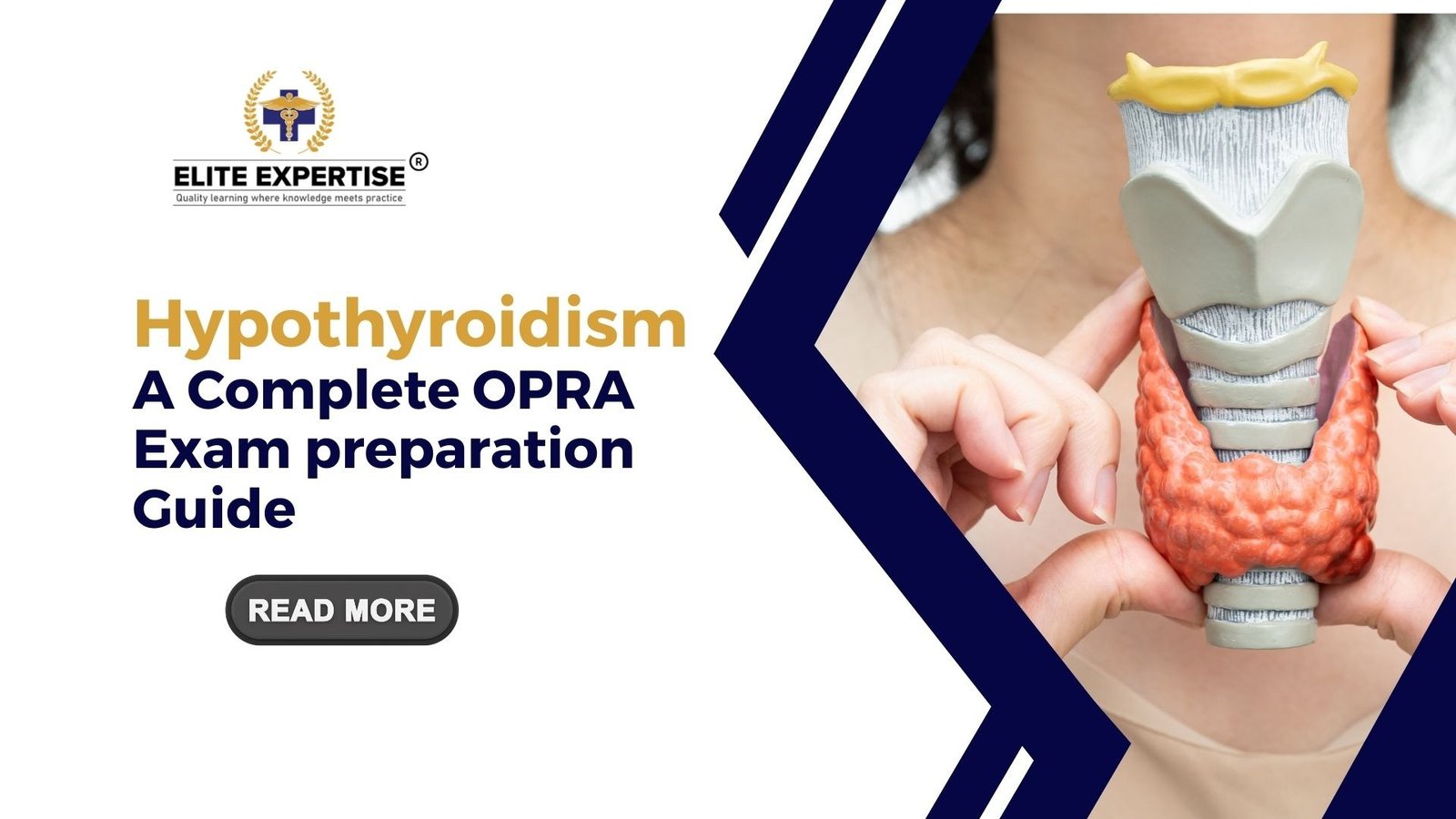
  • Hypothyroidism: A Complete OPRA Exam preparation Guide

    Key concepts:

    • Under active thyroid gland will not be able to produce enough thyroid hormone, which is known as hypothyroidism

    • There are several causes for hypothyroidism

    • Most common cause of hypothyroidism is Hashimoto’s thyroiditis

    • Diagnosis of hypothyroidism is done through high TSH blood value and low Free T4 level

    • Treatment for hypothyroidism is with Levothyroxine

    • Pharmacists play a vital role in patient education and medication adherence

    OPRA exam is the test conducted to assess the international pharmacists who wish to practice in Australia. It evaluates the readiness of pharmacists to practice in Australia with safety and effectiveness.

    Hypothyroidism is one of the most common diseases seen in women globally. Due to this, in the Overseas Pharmacist Readiness Assessment exam, questions about hypothyroidism are asked very often.hypothyroidism is commonly caused due to the under production of thyroid hormones (T3 and T4) by the thyroid gland.

    Lets understand causes, diagnosis, and treatment which is essential for pharmacists to manage patients effectively. This guide will provide details about hypothyroidism in a structured way for the OPRA exam preparation.

    What is Hypothyroidism?

    This condition is caused due to the thyroid gland not producing enough thyroid hormone. Deficiency of thyroid hormones can disrupt heart rate, body temperature and all aspects of metabolism. Hypothyroidism is the most common disease in older women.

    What are the Risk Factors of Hypothyroidism?

    • Especially in Female who are 50 years old

    • There is a history of thyroid disease in family

    • Presence of autoimmune disease (e.g., Type 1 diabetes)

    • History of thyroid surgery or radioiodine therapy

    • There is a deficiency of Iodine deficiency

    Clinical features of Hypothyroidism?

    Diagnosis of Hypothyroidism?

    Complications of Untreated Hypothyroidism

    • Myxedema coma (life-threatening)

    • Infertility

    • Goiter

    • Cardiovascular complications (hyperlipidemia, atherosclerosis)

    Management and Treatment of Hypothyroidism

    1. Treatment with medication

    Levothyroxine is the treatment of choice.
    Initial dose of levothyroxine is:1.6 mcg/kg/day (adjusted per TSH).
    start with a lower dose for elderly or cardiac patients

    2. How to Monitor

    TSH levels every 6-8 weeks until stableOnce stable: check TSH every 6-12 months

    3. Patient Counseling
    • Levothyroxine should be taken on empty stomach (30–60 min before breakfast)

    • Avoid taking calcium/iron supplements within 4 hours of levothyroxine

    • therapy is usually required for lifelong

    What is the Pharmacist’s Role?

    • Pharmacists should educate patients about the compliance and correct timing to take the levothyroxine, a common medicine for hypothyroidism

    • They should advocate patients with drug interaction and adverse drug reactions (e.g., PPIs, antacids, warfarin)

    • Pharmacists are responsible to monitor for symptoms

    Conclusion

    Hypothyroidism is a common disorder that is seen in females more. Pharmacists must have knowledge about these common diseases who are preparing for competitive exams like OPRA. Strategic preparation of the OPRA exam must focus on causes, clinical features, lab findings, and levothyroxine therapy. Pharmacists play a significant role in ensuring proper counseling, and follow-up to prevent complications like myxedema coma.

    About the Author

    Krupa Karamchand

    Content Writer | Elite Expertise

    Krupa Karamchand is a B. Pharm graduate and KAPS-qualified pharmacist with over 7 years of experience in the pharmaceutical field. As an experienced SEO content writer, she combines her in-depth healthcare knowledge with proven digital strategies to create informative, engaging, and search engine–optimized blogs. Krupa is passionate about making complex medical topics easy to understand and accessible to all readers.

    Follow On

  • Best OPRA Coaching Centre For Australia & New Zealand OPRA EXAM| Information for Overseas Pharmacists

    opra exam

    OPRA Exam 2025: Information for Overseas Pharmacists for Australian Pharmacy Registration

    Elite Expertise Institute is the best Online OPRA Coaching Centre in India and globally. It is known for its highest pass percentage, helping international students crack all licensure pharmacy exams on their first attempt. Students from all backgrounds receive the best coaching and guidance.

    In this section, we’ll cover everything pharmacy students need to know about the 2025 OPRA exam, about the opra exam structure, content, preparation tips, and more.

    What is The OPRA Exam: An Overview

    The Australian Pharmacy Council (APC) conducts the OPRA exam, which ensures the quality of pharmacy education and assessment in Australia. The exam is designed for international pharmacists who have finished their pharmacy education in countries other than Australia and New Zealand and wish to practice in any of these countries.

    The primary Purpose of the OPRA Exam.

    Passing the OPRA Exam is the first step in the process of working as a pharmacist in Australia and New Zealand. It serves as an entry pass that ensures overseas-trained pharmacists fulfill the criteria required to practice in Australia or New Zealand.

    The Opra exam determines whether international pharmacy students or working professionals have the essential knowledge and understanding of the biological, pharmacological, and clinical sciences that support pharmacy practice in these countries. Passing the OPRA exam proves that the pharmacy candidates are ready to proceed with the pharmacy registration process and begin supervised practice as an intern pharmacist.

    Key Knowledge Areas Examined

    To pass the OPRA exam, pharmacy students must have the following parameters.

    1. A better understanding of the pharmaceutical sciences, including medicinal chemistry, pharmaceutics, pharmacokinetics, pharmacodynamics, pharmacology, and toxicology.

    2. Must be able to utilize the information in the selection and management of pharmaceutical and non-pharmacological treatment alternatives, considering the patient’s overall health, clinical needs, and socioeconomic status.

    3. Expertise in monitoring patient outcomes, identifying and managing adverse effects, and reducing medication misuse.

    4. A thorough understanding of professional values, such as confidentiality and professionalism, is essential when delivering prescription information and managing patient data.

    OPRA Exam Structure: What to Expect on the day of writing the OPRA EXAM

    The OPRA exam is a computer-based, closed-book test that takes place at recognized test centers in your home countries.

    The exam has 120 multiple-choice questions, each with a single valid answer.

    How much Time is allocated for completing the OPRA EXAM?

    Opra exam applicants will get 150 minutes to complete the exam, which means 2 hours and 30 minutes.

    Before the beginning, applicants will be given 5 minutes to read and sign a non-disclosure agreement, followed by a 10-minute tutorial to familiarize themselves with the exam software. After finishing the exam, they will have 5 minutes to complete a feedback survey. These pre- and post-exam activities do not count against exam time. The 150-minute timer begins as soon as you answer the first question.

    Will the OPRA EXAM have the same questions for all applicants?

    No, every applicant will be presented with a different set of questions.

    What is the syllabus of the OPRA exam?

    The OPRA exam is divided into 5 areas, each of which covers an integral part of pharmaceutical and biomedical sciences. The exam questions are divided into 4 categories based on their relevance to pharmacy practice.

    1. Biomedical sciences 20%

    2. Medicinal chemistry and biopharmaceutics 10% Pharmacokinetics pharmacodynamics 10%

    3. Pharmacology and toxicology 15%

    4. Therapeutics and patient care 45%

    What is the Exam Scoring: How the Performance Is Evaluated

    The OPRA exam employs a scaled scoring system, known as the Rach methodology. The passing score is determined using evidence-based psychometric methodologies that include subject matter experts. This score represents the minimum requirement for applying for provisional registration as an intern pharmacist.

    Scoring Details

    • Scored Questions: 90% of the 120 questions count towards your final score.

    • Unscored Questions: 10% of the questions are included for calibration and testing purposes only and have no impact on your final score. The unscored questions are evenly distributed across the exam content areas.

    How to check the OPRA EXAM Result

    Candidates will receive an email from the Australian Pharmacy Council to check their results by accessing the portal.

    How to Prepare for the OPRA Exam: Tips and Resources

    1. Create a Study Plan

    Given the range of topics covered on the OPRA exam, it is critical to develop a systematic study plan that allows you to explore each content area properly. Allocate more time to places where you lack confidence.

    2. Practice solving the mocks

    Since the exam is timed, practice answering questions within the allotted 150 minutes. This will allow you to manage your time during the actual exam better.

    3. Join Professional Training Organizations

    Prepare for the OPRA exam by joining the best preparation course that has the highest pass percentage above 95, like Elite Expertise has, as they have

    1. Best OPRA exam trainers, i.e, Arief Mohammad, Harika Bheemavarapu, who are KAPS qualified and working clinical pharmacists with 10 years of experience in Australia

    2. Elite Expertise provides 300+ hours Live & recorded sessions.

    3. Elite Expertise provides 10000-plus Mock Exams, which give a Real exam experience.

    4. Unlimited access to the enrolled students

    5.1:1 consultation with the teachers

    6. Dedicated WhatsApp groups

    7. Real-time case-based explanation

    Conclusion

    The OPRA exam is a significant step for overseas-trained pharmacists seeking to practice in Australia or New Zealand. Understanding the exam format, content, and scoring system, as well as adequate preparation, can improve your chances of success.

    Remember that passing the OPRA exam is more than just displaying your knowledge.

  • Pharmacy Careers Abroad 2025: Australia vs Dubai – OPRA or DHA?

    Key Points to Remember

    • OPRA provisional regsitration→ then internship→ Australian intern written and oral exams→ general registration as a pharmacist.

    • Dubai → DHA Exam + document verification → DHA license.

    • Australia: More attractive salary & possible immigration.

    • Dubai: Tax-free income & quick registration.

    • Focus: OPRA = applied sciences & patient care skills; DHA = general clinical reasoning & compounding skills.

    • Both tests require intensive prep and proper paperwork.

    Today, PharmD and B.Pharm graduates no longer have to confine their careers to their home countries. The global healthcare market is seeking highly-skilled professionals, with Australia and Dubai emerging as the most attractive destinations.

    However, before you can practice in either country, there is one big hurdle: passing the licensing exam. In Australia, it is the OPRA Exam. In Dubai, it is the DHA Exam.

    Though both examinations have the same goal, to certify the candidate’s competency to practice, they differ significantly in their design, cost, and results. Let’s examine their differences.

    Understanding the OPRA Exam – Australia

    In March 2025, the country changed its procedure for issuing licenses; the Overseas Pharmacist Readiness Assessment (OPRA) replaced KAPS. The change indicates that Australia prefers readiness for practice over just theoretical knowledge.

    Why OPRA Exists

    • Evaluates if international graduates possess the scientific and clinical knowledge required for safe practice.

    • Indicates that you can go into a supervised internship year.

    • Connects the knowledge of the theory with the practical care of the patient.

    Exam Format Snapshot

    • Mode: Computer-based, closed book.

    • Duration: 150 minutes.

    • Questions: 120 MCQs (90% scored, 10% unscored).

    • Focus sectors: Biomedical sciences, pharmacology, pharmaceutics, and most substantially, therapeutics & patient care.

    Steps to Take

    1. Confirm that you are qualified (B.Pharm/M.Pharm/PharmD, 4 years full-time study, pharmacy registration in your home country).

    2. Upload the documents through the APC portal.

    3. Pay fees (~AUD 3,300 for the first attempt, which includes eligibility and outcome checks).

    4. Schedule through Pearson VUE and take the exam.

    Then you do your internship, take the intern written and oral exams, and eventually, register yourself with AHPRA.

    Elite Expertise OPRA Exam Preparation Course – Australia

    OPRA is often an intimidating and confusing topic for many graduates. Hence, Elite Expertise has built a well-organised course to make the first attempt count and thus achieve maximum success.

    • Duration: ~3.5 months of guided study.

    • Format: Live classes, recorded sessions, mock exams, assignments, and unlimited access until you pass.

    • Support: Mentor guidance, peer WhatsApp groups, counselling sessions, and progress tracking.

    • Fees: Approx. AUD 1,700 + GST.

    Being a perfect mirror of the OPRA exam, this course keeps candidates ready for the exam and gives them confidence on test day.

    Inside the DHA Exam – Dubai

    Dubai has earned a great name in a very short period of time as a healthcare hub. The Dubai Health Authority (DHA) Exam for pharmacists is just the beginning of accessing the amazing, thriving Dubai market with no taxes.

    Purpose of DHA

    • Pharmacists who are in line with the healthcare requirements of the UAE are guaranteed.

    • Enables a legitimate work permit in any hospital, clinic, or community pharmacy.

    • Allows access to international networking in the region, which is among the top ten fastest-growing areas.

    Exam Format Snapshot

    • Mode: Computer-based (Prometric).

    • Length: 3 hours.

    • Questions: 150 MCQs.

    • Passing Score: 60%.

    • Cost: USD 240 (+ Dataflow fees).

    Eligibility Essentials

    • Pharmacy degree (B.Pharm, M.Pharm, or PharmD).

    • At least 2 years of work experience.

    • Local registration + Good Standing Certificate.

    • Positive Dataflow PSV verification.

    After passing the DHA exam, you can get a license and start your job right away.

    Elite Expertise DHA Exam Preparation Course – Dubai

    Elite Expertise has introduced a DHA preparation course, especially for international pharmacists, which aims for quick success.

    • Focus: DHA recall MCQs, clinical case-based modules, pharmaceutics, pharmacology, and compounding.

    • Format: Live lectures, recorded modules, practice exams, and self-assessments.

    • Support: Dataflow PSV verification assistance, document eligibility, and the entire DHA licensing journey.

    • Additional Perks: Resources for study without charge, notes that can be downloaded, faculty support for difficult parts, and counselling step by step.

    Designed especially for the DHA exam syllabus, this course not only equips candidates with the required knowledge but also enables them to develop confidence. It improves basic concepts and passes the licensing exam.

    OPRA vs DHA: How Do They Compare?

    Lifestyle & Career Outcomes

    • Australia: Multicultural cities, a well-organised healthcare system, and an amazing balance between work and life. The perfect place for people who are looking for a stable career and want to get permanent residency. Yes, salaries are higher but more taxes are paid.

    • Dubai: Dynamic, international setting with the benefit of tax-free salaries. It is ideal for people who are looking for rapid growth and desire international exposure. However, a long-term stay in Dubai is not possible.

    Salary Comparison: Pharmacists in Australia vs Dubai (2025)

    Australian salaries are bigger before taxes; however, Dubai’s tax-free salaries + perks (housing, transport, allowances) frequently result in very competitive net earnings.

    Final Thoughts

    Both Australia (OPRA) and Dubai (DHA) offer attractive pharmacy career opportunities overseas in 2025.

    • If you want to take a series of organised exams, get higher pay and be able to settle down for a long time, then pick Australia.

    • If you are looking for a quick start, a tax-free income and a global exposure, then go for Dubai.

    It does not matter which one you select. The point is that you will be able to take your exam not only being prepared but also with a feeling of confidence and competence if you decide to study with Elite Expertise.

  • Beta Lactam Antibiotics: For OPRA Exam Preparation

    Key Takeaways

    • They are mainly cell wall synthesis inhibitors.

    • These groups of antibiotics are classified as four classes: penicillins, cephalosporins, carbapenems, monobactams.

    • Cephalosporins are divided into five generations with different spectrums.

    • Side effects of Beta-lactam antibiotics includes allergic reactions, gastrointestinal upset,platelet aggregation problem etc

    • Candidates must have a strong knowledge of antibiotics , which is very crucial for OPRA exam success.

    • They are the antibiotics with a beta-lactam ring in their chemical structure These antibiotics are effective against a wide range of gram-positive and negative along with anaerobic bacteria

    • They are most often prescribed medication group of antibiotics

    Candidates who are preparing for overseas exams like OPRA, having a strong understanding about these important topics are very crucial. Topics like their mechanism, use, side effects, and classification will have more weightage question

    What are Beta-Lactam antibiotics?

    • These are the type of antibiotics who has a beta-lactam ring on the chemical structure

    • The main mechanism of action is cell wall synthesis inhibition

    • This will result in lysis and death of bacterial cells

    • These mainly effect on bacterias like streptococcus pneumoniae, Pseudomonas aeruginosa etc

    How beta-lactam antibiotics work – Mechanism of action

    • Inhibition of cell walls: they block the cell wall synthesis, that result in cell lysis and destroy

    • Targeting an enzyme transpeptidase: these antibiotics will bind with this particular enzyme and deactivate it . This is very essential for cross linking in cell walls and bacterial cells

    • Bacterial cell lysis in gram positive bacteria because these antibiotics disrupt the cell wall synthesis

    What are the different types of beta-lactam antibiotics?

    Let’s understand each class in detail.

    Pencillins:

    • have a nucleus of 6-animopenicillanic acid (lactam plus thiazolidine) ring with various ringside chains

    • Most of them ends with -cilins

    • Several subtypes are available: natural pencilins, amino-pencillins, and carboxy-pencillins

    Cephalosporins:

    They are divided into 5 generations

    Generations of cephalosporins:

    What are the common side effects of beta-lactam antibiotics?

    Beta lactam’s Clinical relevance in OPRA Exam

    Antibiotics are high weightage topics in competitive exams like OPRA. it covers a range of questions from these topics such as:

    • Which generation of cephalosporin covers MRSA?

    • What is the mechanism of beta-lactams?

    • Which adverse effect is most concerning in penicillin therapy?

    • Which antibiotic is safe in penicillin-allergic patients?

    By using Elite Expertise OPRA Exam preparation resources- Free download, candidates can have a grip on these topics.

    Conclusion:

    Beta-lactam antibiotics are one of the most important drug classes which are often prescribed worldwide. It is an essential area to focus for competitive exams like the OPRA exam.

    Understanding their types, mechanism of action, side effects, and clinical applications is very crucial for candidates who are preparing for such pharmacy licensure exams

    These topics are frequently asked in OPRA Exam, making it one of the most important topics appearing in OPRA exams.

    With the comprehensive preparatory course available at Elite Expertise,students can get simplified notes, case-based learning, and mock exams. This will ensure complete coverage of such high-yield topics like beta lactams.

    About the Author

    Krupa Karamchand

    Content Writer | Elite Expertise

    Krupa Karamchand is a B. Pharm graduate and KAPS-qualified pharmacist with over 7 years of experience in the pharmaceutical field. As an experienced SEO content writer, she combines her in-depth healthcare knowledge with proven digital strategies to create informative, engaging, and search engine–optimized blogs. Krupa is passionate about making complex medical topics easy to understand and accessible to all readers.

    Follow On
  • Best Online Coaching for PSI TCQR Exam | Elite Expertise

    Key Takeaways

    • The PSI TCQR Exam is mandatory for every non-EU pharmacist to register in Ireland.

    • The exam consists of two parts: MCQ and OSCE.

    • Elite Expertise provides online coaching aligned with the official PSI syllabus.

    • The course does cover clinical practice in real life scenarios, pharmaceutical sciences, pharmacy law, and the required communication skills.

    • Students can benefit from expert faculty, practice mock-based exams, interactive classes, and mentorship.

    • Online learning offers utmost and helps the aspirants to remain focused on their exam preparation, given their busy schedules and commitments.

    Ireland is gradually becoming one of the most appealing places for future pharmacists, and the primary reason behind it is the developed healthcare system, increasing career prospects, and patient-oriented pharmacy practice. Being a registered pharmacist in Ireland does allow you to serve different communities directly, gain an extended rewarding career with international recognition, and participate in important clinical decision-making.

    For every internationally qualified pharmacist, clearing the PSI TCQR equivalence exam is mandatory to begin their professional journey. Keep reading as we explore more about the PSI TCQR exam, from study materials and right possible ways to prepare, all in one place.

    What is the PSI TCQR Exam?

    The PSI (Pharmaceutical Society of Ireland) does oversee the registration process of pharmacists. For aspirants, who have been qualified outside the EU, then the TCQR (Third Country Qualification Route) Equivalence exam does ensure the candidates get to meet with the Irish pharmacy standards.

    Purpose

    The exam helps assess whether the international pharmacy graduate holds onto necessary skills, knowledge, and the professional competence to work effectively and safely in Ireland.

    Who Needs to Apply?

    Any pharmacist who has been trained outside the EU or EEA, and wishes to register themselves with the PSI must clear the TCQR equivalence exam.

    Structure of the Exam

    The exam is divided into two different main parts:

      MCQ Exam (Multiple Choice Questions):This exam tests the knowledge of the aspirants in terms of pharmacy practice, pharmaceutical sciences, law, and about various clinical aspects.OSCE (Objective Structured Clinical Examination):Real life, practical-based assessment that helps evaluate the clinical judgment, communication, and the problem-solving skills of the aspirants given the real pharmacy situations.

    Exam Parts and How Elite Expertise Prepares You

    About the Course

    Elite Expertise offers the best online coaching for PSI TCQR exam preparation, designed specifically for international pharmacists. The course follows the official PSI syllabus and aligns with the accreditation standards of Ireland’s pharmacy education system.

    Who Is the Course Opt For?

    • International pharmacists who have been trained outside the EU or EEA

    • Pharmacy graduates who have been making plans to start practicing pharmacy in Ireland

    • Candidates who have been seeking well-structured guidance, mentorship, and for the right exam-focused preparation

    What You Can Learn

    Through the online coaching, you will gain:

    • Better understanding of the Irish pharmacy laws and the respective practices

    • Strong knowledge can be gained in various sectors like pharmaceutics, pharmacology, and clinical pharmacy

    • Improved communication and patient interaction skills for OSCE success

    • Exam strategies and time management techniques

    Curriculum and Coverage

    The program has been well-structured and curated following the indicative syllabus as recommended by the PSI:

    • Pharmaceutical Sciences: Covers up the general, organic topics, and the major ones like pharmaceutics, medicinal chemistry, and clinical pharmacology.

    • Clinical Practice: Community and hospital pharmacy-based case studies, respective treatment guidelines, and timely therapeutic decision-making f

    • Law and Ethics: Irish pharmacy legislation, dispensing regulations, and PSI Code of Conduct

    • Calculations & Practice Support: Pharmaceutical calculations, real-time patient safety, and evidence-based practice

    Faculty Experience

    Elite Expertise’s faculty includes pharmacists with real experience in Ireland’s healthcare system. Their guidance ensures candidates understand not only the theory but also how pharmacy practice works in real-world Irish settings.

    Study Materials and Practical Experience

    Students can effectively gain access to high-quality materials, including:

    • Suggested textbooks and reference guides aligned with the PSI syllabus

    • MCQ practice tests and OSCE mock scenarios

    • Case-based learning exercises to strengthen problem-solving

    • Pharmacy law and practice guidelines specific to Ireland

    Interactive Features

    The coaching goes beyond recorded lectures. Interactive features include:

    • Live online classes with faculty for direct interaction

    • Doubt-clearing sessions tailored to individual needs

    • Mock exams replicating real PSI exam patterns

    • Peer discussion groups to encourage collaborative learning

    Features That Come With Our Course

    When you enroll in Elite Expertise’s PSI TCQR online coaching, you receive:

    • Structured, PSI-aligned syllabus coverage

    • Guidance on exam registration and application process

    • Access to updated study notes and practice resources

    • Step-by-step OSCE training with roleplay exercises

    • Continuous performance evaluation through mock assessments

    • Support from mentors who understand the challenges international pharmacists face

    Why Choose Online Coaching?

    Many aspirants do feel overwhelmed while preparing for the PSI TCQR examination. It does happen especially for candidates who have been balancing relocation, work, and their family commitments. Our online coaching offers:

    • Flexibility: You get to learn from any part of the world and at your own pace.

    • Expert guidance: Insights are timely given from our in-house experienced pharmacy educators

    • Focused preparation: Courses have been designed following the actual exam requirements

    • Confidence-building: Regular mock-based tests are followed to help reduce potential exam stress

    Conclusion

    Practicing as a registered pharmacist in Ireland is certainly a rewarding career choice that you can kickstart by rightly clearing the PSI TCQR Equivalence Exam. By having the right guidance, well-structured preparation, and reliable study materials, you can easily achieve this particular goal with confidence.

    At Elite Expertise, our trained educators specialize in helping aspiring international pharmacists to rightly prepare for the PSI exam following our proven online coaching program. Starting from MCQs to OSCE practice, our flexible support ensures that you can clear the exam in the first attempt itself.

    Are you ready to take forward the next step in your pharmacy career in Ireland? Join our PSI TCQR online coaching program now to start your journey with our expert guidance available by your side.

    About the Author

    Aditi Pathak

    Content Writer | Elite Expertise

    Aditi Pathak is an experienced SEO content writer with over 4 years of expertise in crafting engaging, well-researched, and search engine–optimized content. Currently pursuing her Master’s in English, she brings together strong academic knowledge and creative writing skills to deliver blogs and articles that are both informative and reader-friendly. Aditi is passionate about simplifying complex topics into clear, accessible content that resonates with diverse audiences. Her focus lies in creating value-driven content strategies that enhance online visibility while keeping readers informed and engaged.

    Follow On