
Category: Uncategorized

  • How to Become a Pharmacist in Australia

    how to become a pharmacist in australia

    How to Become a Pharmacist in Australia

    The field of pharmacy offers a rewarding career path for those passionate about healthcare and making a difference in people’s lives. Pharmacists are medication experts, ensuring patients receive the right drugs, understand their use, and experience optimal health outcomes.

    This journey to becoming a pharmacist in Australia is a fulfilling one, built on a strong foundation of knowledge and practical experience. Each step equips you with the skills and expertise to excel in this vital role.

    International Graduates

    Graduates from accredited pharmacy programs outside Australia can become pharmacists in the country. This includes those with a 4-year Bachelor in Pharmacy Degree/Doctorate in Pharmacy from a globally recognized institute by the Australian Pharmacy Council. Additionally, these graduates must be registered as pharmacists in their home country.

    Australian Graduates

    Those who completed their pharmacy degree in Australia and meet the necessary requirements can practice pharmacy. This includes individuals with a Bachelor’s, Master’s, or Doctorate in pharmacy from a recognized Australian institute.

    In summary, anyone with a Bachelor’s in Pharmacy or higher degree, and who is registered in any country, can become a pharmacist in Australia.

    What Do You Need to Become a Pharmacist in Australia?

    Becoming a pharmacist in Australia involves meeting educational, language, and professional requirements. Here’s a breakdown

    Educational Requirements

    • Recognized Pharmacy Degree: Obtain a pharmacy degree from a recognized institution. For international graduates, ensure your degree is recognized by the Pharmacy Board of Australia (PBA).

    • English Proficiency: Pass an English test like PTE, IELTS or OET. Good communication skills are crucial.

    Professional Requirements

    • Pharmacy Board of Australia (PBA) Registration: Submit documents, including proof of education, language proficiency, and character references.

    • National Police Certificate: Provide a valid National Police Certificate to verify good character.

    Other Documents

    For international applicants, you’ll need:

    1. Passport-sized photo

    2. Degree certificate

    3. Academic transcript

    4. Government ID proof

    5. Valid passport

    6. Birth certificate

    7. Pharmacy registration certificate

    About the Skilled Migration Visa

    Australia offers skilled migration visas for pharmacists under the General Skilled Migration (GSM) program. This includes the Skilled Independent visa (subclass 189) and the Skilled Nominated visa (subclass 190).

    The GSM program operates on a points-based system. Points are awarded based on age, English proficiency, education, work experience, and other factors. To be eligible, you typically need around 65 points.

    For the Skilled Nominated visa (subclass 190), you must be nominated by an Australian state or territory government. This requires passing the skills assessment and the KAPS exam.

    After a successful visa application, including health and character checks, the Department of Home Affairs may grant a skilled migration visa, allowing you to practice pharmacy in Australia.

    Steps on How to Become a Pharmacist in Australia for Overseas Graduates

    Here are the steps on how to become a pharmacist in Australia for international graduates:

    Skills Assessment

    • Submit a skills assessment application to the Australian Pharmacy Council (APC).

    • Provide necessary documents, including academic transcripts, proof of English proficiency, and evidence of practical training.

    • Await the APC’s assessment outcome.

    KAPS Exam

    Pass the Knowledge Assessment of Pharmaceutical Sciences (KAPS) exam, which has two papers with 100 questions each. You need to score at least 50% in both papers. The exam can be taken in your home country.

    Apply for Registration with the Pharmacy Board of Australia (PBA)

    • Create an account with the Australian Health Practitioner Regulation Agency (AHPRA) and start the registration process after clearing the KAPS exam and English proficiency test.

    • Submit all required documents, including the APC skills assessment outcome and proof of identity.

    You’ll receive provisional registration, allowing you to work in Australia. Complete several hours of internship before getting permanent registration.

    Internship and Intern Examination

    After completing 75% of your internship, take the intern examination. On passing, apply for permanent registration with the APC. You can then get a work or PR visa if you meet the requirements.

    Expression of Interest (EOI)

    For the Skilled Migration pathway, submit an Expression of Interest through the SkillSelect system. If successful, you may receive an invitation to apply for a skilled migration visa.

    Final Thoughts on How to Become a Pharmacist in Australia

    Becoming a pharmacist in Australia as an international graduate is challenging but rewarding. It requires careful planning and diligence to navigate the educational, professional, and migration requirements. Elite Expertise can help simplify this process, guiding you through every step, including preparing for the KAPS exam and completing the registration process.

    With Elite Expertise by your side, you can successfully transition to a fulfilling career in Australia’s healthcare landscape.

    What Do Pharmacists Do?

    Welcome to the world of Australian pharmacy! Here, you’ll embark on a rewarding career where your expertise directly impacts patient health and well-being. Pharmacists are medication specialists, playing a vital role within the healthcare system.

    Pharmacist Roles and Responsibilities

    • Dispensing medications: You’ll ensure patients receive the correct medications, dosages, and instructions.

    • Clinical assessments: Through consultations, you’ll identify potential drug interactions and advise on medication adherence.

    • Patient education: Empowering patients is key! You’ll provide clear information on medications and answer any questions they may have.

    • Collaboration: Working alongside doctors, nurses, and other healthcare professionals, you’ll contribute to comprehensive patient care plans.

    The Impact of Pharmacists on Patient Care

    Pharmacists are medication safety champions. Your knowledge ensures patients receive the most effective treatments while minimising risks. You’ll also play a crucial role in:

    • Promoting medication adherence: Helping patients understand their medications leads to better health outcomes.

    • Managing chronic conditions: Pharmacists provide ongoing medication management for conditions like diabetes and high blood pressure.

    • Public health initiatives: You might contribute to vaccination programs and medication education campaigns within your community.

    Diverse Practice Settings

    You can choose a work environment that aligns with your interests. Here are just a few settings:

    • Community pharmacies: The familiar neighbourhood pharmacy, providing essential services and building relationships with patients.

    • Hospitals: Working within a hospital team, you’ll manage medication needs for inpatients and outpatients.

    • Industry: Contribute to research and development of new medications or work in pharmaceutical sales.

    Registration Requirements

    Earning your pharmacist qualification is a significant accomplishment, and we at Elite Expertise want to help you seamlessly transition into practice in Australia. The Pharmacy Board of Australia (PBA) is the national authority overseeing pharmacist registration. Their process ensures qualified pharmacists can contribute effectively to the Australian healthcare system. Let’s break down the pharmacist registration journey into manageable steps:

    The Pharmacy Board of Australia

    The PBA plays a vital role in protecting public health by ensuring only qualified pharmacists can practise in Australia. They maintain a national register of pharmacists, set registration standards, and promote the ongoing development of the profession.

    Provisional Registration

    Once you’ve met the eligibility criteria, you’ll receive provisional registration. This allows you to practise under the supervision of a registered pharmacist while completing any outstanding requirements, such as the KAPS exam.

    General Registration

    General registration signifies full practising authority as a pharmacist in Australia. To achieve this, you’ll need to:

    • Successfully completed the Knowledge Assessment of Pharmacy Sciences (KAPS) exam.

    • Provide evidence of English language proficiency.

    • Submit all necessary documentation, including your academic transcripts, proof of identity, and references.

    • Pay the registration fees.

    The PBA provides a detailed guide and resources to support you through the registration process. We at Elite Expertise are also here to help you navigate this stage with confidence.

    Internship Experience

    Your internship year is an integral part of your pharmacist journey. It’s where you’ll bridge the gap between theory and practice, solidifying your knowledge and developing the essential skills you need to excel as a pharmacist. This supervised experience will not only equip you with the confidence to navigate real-world scenarios but also provide valuable insights into potential career paths within pharmacy.

    Diverse Internship Placements

    The beauty of the internship program lies in its varied placements. You’ll have the opportunity to gain experience across different pharmacy settings, such as:

    • Community pharmacies: These are your local pharmacies, where you’ll dispense medications, counsel patients, and contribute to a patient-centred environment.

    • Hospital pharmacies: Immerse yourself in a fast-paced environment, working alongside doctors and nurses to ensure patients receive the right medications at the right time.

    • Specialised pharmacies: Broaden your horizons in specialty settings like oncology or mental health, gaining experience with specific medication types and patient needs.

    This diversity allows you to explore your interests and discover the areas of pharmacy that resonate most with you.

    Building Your Skillset for Success

    Throughout your internship, you’ll actively develop a robust skillset under the guidance of experienced pharmacists. Here are some key areas you can expect to refine:

    • Clinical skills: Dispense medications accurately, perform medication reviews, and confidently provide patient counselling on proper medication use.

    • Communication: Build strong communication skills to interact effectively with patients, doctors, and other healthcare professionals.

    • Problem-solving: Learn to critically analyse situations, identify potential medication-related issues, and collaborate to find solutions.

    • Professionalism: Develop a strong work ethic, adhere to ethical guidelines, and prioritise patient safety in all aspects of your practice.

    By the end of your internship, you’ll be a more confident and well-rounded pharmacist, ready to make a positive impact on patient care.

    A Supportive Learning Environment

    Your internship isn’t a solo endeavour. You’ll be paired with a dedicated mentor, a registered pharmacist who will guide you throughout your placement. They’ll provide invaluable support, answer your questions, and offer constructive feedback to help you grow as a pharmacist.

    The internship program also provides access to ongoing training and workshops, ensuring you’re equipped with the latest knowledge and best practices in the field. With this comprehensive support system, you’ll feel empowered to take ownership of your learning and excel in your internship experience.

    Exam Preparation Made Easy

    Equipping yourself with the knowledge and skills to excel in the Pharmacy Board’s registration exams is a crucial step on your journey to becoming a pharmacist in Australia. Here at Elite Expertise, we understand the importance of feeling prepared and confident. We’ll guide you through everything you need to know about the exams, empowering you to achieve success.

    The Written and Oral Exams

    The Pharmacy Board of Australia utilises a two-part assessment process: a written exam and an oral exam. The written exam tests your foundational knowledge in pharmaceutical sciences, ensuring you possess a strong understanding of key concepts. The oral exam, conducted by a panel of registered pharmacists, delves deeper into your practical skills and professional judgement. By familiarising yourself with the exam format and content areas, you can approach them with focus and confidence.

    Resources and Courses

    We believe in providing you with the resources you need to thrive. A multitude of study resources are available, including textbooks, online study guides, and practice questions. Here at Elite Expertise, we also offer comprehensive preparation courses designed to equip you with the knowledge and strategies to excel in both the written and oral exams. Our courses are led by experienced pharmacists who will provide valuable insights and personalised guidance.

    Exam Schedules and Registration

    The Pharmacy Board conducts the written exam throughout the year at designated testing centres across Australia. Exam schedules and registration details are readily available on the Pharmacy Board’s website. We recommend registering well in advance to secure your preferred testing date.

    Remember, with dedication, the right resources, and a supportive learning environment, you can conquer your exams and take the next step towards a fulfilling career as a pharmacist in Australia.

    Diverse Career Paths in Australia

    Australia offers a dynamic environment for pharmacists, with a variety of exciting opportunities across different settings and an ever-evolving scope of practice.

    Explore Diverse Pharmacist Roles:

    • Community Pharmacy: Become a trusted community pharmacist in your neighbourhood. Dispense medications, provide advice, and build relationships with patients, offering a cornerstone of primary care.

    • Hospital Pharmacy: Contribute to patient care within a hospital setting. Work alongside doctors and nurses, ensuring safe and effective medication administration, optimising patient outcomes.

    • Research Pharmacy: Be at the forefront of discovery! Engage in research and development of new medications and therapies, pushing the boundaries of pharmaceutical science.

    A Scope of Practice That’s Always Expanding:

    The role of the pharmacist in Australia is constantly evolving. You’ll have the opportunity to:

    • Administer Vaccinations: Play a crucial role in public health by providing immunizations, safeguarding communities against preventable diseases.

    • Provide Medication Reviews: Conduct comprehensive medication reviews, optimising patient care and ensuring safe and effective medication use.

    • Offer Specialized Services: Depending on your interests and qualifications, specialise in areas like pain management, diabetes care, or mental health.

    Professional Development

    Investing in your ongoing growth is a vital aspect of a successful pharmacist career in Australia. It ensures you stay at the forefront of the ever-evolving field, deliver the best possible patient care, and unlock exciting new professional opportunities. Here at Elite Expertise, we champion continuous learning and engagement, empowering you to thrive in this dynamic profession.

    CPD Requirements for Pharmacists

    The Pharmacy Board of Australia (PharmBA) mandates Continuing Professional Development (CPD) for all registered pharmacists. This ensures practitioners maintain their knowledge, skills, and competence to deliver safe and effective medication management. Fulfilling these requirements allows you to renew your registration and stay actively involved in the profession. The CPD program offers flexibility, allowing you to choose activities aligned with your interests and practice areas.

    Professional Organizations and Resources

    Australia boasts a vibrant network of professional organisations dedicated to supporting pharmacists. These organisations offer a wealth of resources, including:

    • Educational programs and workshops to stay updated on the latest advancements in pharmacy practice.

    • Networking opportunities to connect with colleagues, share best practices, and build a strong professional network.

    • Mentorship programs to gain valuable guidance from experienced pharmacists.

    • Advocacy efforts to influence policy changes that benefit both pharmacists and patients.

    Elite Expertise strongly encourages you to explore and actively engage with relevant organisations. They provide invaluable support throughout your career journey.

    Networking and Career Advancement Opportunities

    Building strong professional connections is a key driver for career advancement. By actively participating in professional organisations and attending industry events, you’ll expand your network, enhance your visibility, and unlock a world of exciting possibilities. You’ll gain insights into diverse career paths within pharmacy, discover new practice settings, and connect with potential employers seeking qualified and engaged pharmacists.

    Why Choose Elite Expertise for Your Pharmacist Journey in Australia?

    Becoming a pharmacist in Australia is an exciting but multifaceted journey. At Elite Expertise, we understand the complexities of navigating the educational pathways, registration requirements, and everything in between. Our expert advice covers everything, from selecting the most suitable accredited pharmacy program to understanding the intricacies of registration with the Pharmacy Board of Australia. We equip you with the knowledge and resources to make informed decisions and confidently approach each step of the process. Elite Expertise provides the following courses:

    • KAPS Exams Essential Course: Enhance your preparation with Elite Expertise’s comprehensive courses designed to equip you with the essential knowledge and skills for a successful pharmacy career.

    • Australian Pharmacist Intern Written Exam PREP: With a structured learning approach and an extensive library of practice questions, you’ll gain the confidence needed to excel in the exam.

    Australian Pharmacist Oral Exam PREP: With simulated practice scenarios and expert guidance on communication skills, you’ll be ready to showcase your proficiency and impress the examiners.

    FAQs

    Mr. Arief Mohammad is renowned for his excellent teaching skills and practice-based experience which can contribute to developing practice-based knowledge for a learner. He has been a practicing pharmacist in Australia for the last 5 years and has been a preceptor to several students and intern pharmacists.

    Follow On

    Arief Mohammad

    Arief Mohammad

    ABOUT THE AUTHOR

  • Rural and Regional Opportunities for Pharmacists in Australia: Exploring the Untapped Potential

    My post content

    Introduction

    Pharmacy practice in Australia is predominantly concentrated in urban areas, leaving rural and regional communities underserved. This imbalance poses significant healthcare challenges, creating an urgent need for pharmacists to consider the advantages of practicing in rural and regional settings within Australia. In this blog, we will explore the opportunities, gaps in healthcare, salary structures, and the potential benefits of being a pharmacist in these areas, supported by data from 2024.

    The Urban-Rural Divide in Australian Pharmacy Practice

    According to the Pharmacy Guild of Australia, a significant majority of pharmacists are based in major cities, creating a stark disparity in healthcare access between urban and rural populations. Data from 2024 indicates that approximately 75% of pharmacists work in metropolitan areas, while only 25% serve rural and regional communities. This uneven distribution impacts healthcare delivery in rural Australia, where residents often struggle with limited access to pharmacy services.

    Opportunities in Rural and Regional Pharmacy if Australia

    1. Greater Impact on Community Health: Pharmacists in rural Australia often serve as the primary healthcare providers in their communities. This role allows them to make a substantial impact on public health, providing essential services such as medication management, chronic disease management, and preventive care.

    1. Professional Autonomy: Pharmacists in rural areas of Australia often enjoy a higher degree of professional autonomy. With fewer healthcare providers in the vicinity, rural pharmacists are trusted with more responsibilities, enhancing their clinical skills and decision-making capabilities.

    1. Strong Community Connections: Working in rural areas of Australia fosters strong bonds with the community. Pharmacists become trusted health advisors, forming relationships that go beyond typical patient interactions.

    Gaps in Healthcare

    The concentration of pharmacists in urban areas of Australia leaves significant gaps in healthcare for rural populations of Australia. These gaps include:

    • Limited Access to Medicines: Rural areas of Australia often face delays in medication supply and access to specialist medicines.

    • Scarcity of Health Services: Many rural communities of Australia lack comprehensive healthcare services, making it challenging for residents to receive timely and adequate care.

    • Health Disparities: Rural populations often experience higher rates of chronic diseases and poorer health outcomes due to limited access to healthcare services and preventive care.

    Salary Structures: Urban vs. Rural

    Contrary to popular belief, pharmacists in rural and regional areas of Australia can earn competitive salaries, often higher than their urban counterparts. Data from 2024 shows that rural pharmacist in Australia earn, on average, 10-20% more than those in cities. This higher remuneration is due to:

    • Demand for Services: The scarcity of pharmacists in rural areas of Australia drives up demand and, consequently, salaries.

    • Incentives and Bonuses: Many rural positions offer additional incentives such as relocation bonuses, housing allowances, and professional development grants.

    Real-World Examples

    1. Remote Indigenous Communities: Pharmacists working in remote Indigenous communities report higher job satisfaction due to the meaningful impact they have on improving health outcomes in underserved populations. For example, a pharmacist in Arnhem Land plays a crucial role in managing chronic conditions and providing culturally sensitive care.

    1. Rural Health Networks: Pharmacists in rural health networks often collaborate closely with other healthcare providers, enhancing their professional development and expanding their scope of practice in Australia. In areas like the Northern Territory, pharmacists work alongside general practitioners and nurses to deliver comprehensive healthcare services.

    Rethinking Rural Pharmacy Practice

    Given the unique opportunities and benefits, pharmacists should reconsider the potential of rural practice in Australia. Here are some advantages:

    • Work-Life Balance: Rural settings often offer a better work-life balance with less commute time and a slower pace of life. Pharmacists in regions like Tasmania report enjoying the serene environment and tight-knit communities.

    • Career Growth: The broader scope of practice in rural areas of Australia can lead to faster career advancement and skill development. Pharmacists in Western Australia’s rural areas have reported rapid progression in their careers due to the diverse range of responsibilities.

    • Community Impact: The ability to make a tangible difference in the health and wellbeing of a community can be immensely rewarding. Rural pharmacists of Australia often find personal and professional fulfilment in their roles.

    Conclusion

    The rural and regional pharmacy landscape in Australia presents an array of opportunities for pharmacists willing to step outside the urban comfort zone. With competitive salaries, professional growth prospects, and the chance to significantly impact community health, rural pharmacy practice in Australia, is a pathway worth considering. As the healthcare sector evolves in Australia, bridging the urban-rural divide remains crucial, and Australian pharmacists play a pivotal role in this endeavour. Embrace the potential of rural and regional pharmacy practice in Australia and make a meaningful difference where it is needed most.

    Mr. Arief Mohammad is renowned for his excellent teaching skills and practice-based experience which can contribute to developing practice-based knowledge for a learner. He has been a practicing pharmacist in Australia for the last 5 years and has been a preceptor to several students and intern pharmacists.

    Follow On

    Arief Mohammad

    Arief Mohammad

    ABOUT THE AUTHOR

  • KAPS Exam November 2024 (4-Month Study Plan): A Guide from Elite Expertise

    Preparing for the Knowledge Assessment of Pharmaceutical Sciences (KAPS) exam is a significant step towards becoming a registered pharmacist in Australia. With the exam scheduled for November 25th to 27th, having a well-structured study plan is essential. Here’s a comprehensive 4-month study plan designed to help you ace the KAPS Exam, provided by Elite Expertise.

    Month 1: Foundation Building

    Weeks 1-2

    • Familiarize with the Syllabus: Begin by thoroughly understanding the KAPS exam syllabus. This will give you a clear idea of what topics you need to cover.

    • Identify Strengths and Weaknesses: Assess your current knowledge to identify areas of strength and those that need more attention.

    • Gather Study Materials: Collect all necessary study materials, including textbooks, online resources, and practice exams.

    Weeks 3-4

    • Basic Concepts: Start with the basics of each subject area to build a strong foundation. Focus on understanding core concepts in pharmaceutical chemistry, pharmacology, pharmaceutics, and therapeutics.

    • Daily Study Routine: Establish a daily study routine, allocating specific times for each subject.

    Month 2: Subject-Wise Study

    Weeks 1-2

    • In-Depth Study: Dive deeper into each subject. Allocate more time to complex topics and areas where you identified weaknesses.

    • Regular Reviews: Regularly review the material you have studied to reinforce your understanding.

    Weeks 3-4

    • Advanced Topics: Begin studying advanced topics and specialized areas within pharmaceutical sciences.

    • Practice Questions: Start solving practice questions and quizzes to test your understanding and application of concepts.

    Month 3: Practice and Review

    Weeks 1-2

    • Sample Papers: Dedicate more time to solving sample papers and past KAPS exam papers. This will help you get familiar with the exam format and question types.

    • Self-Assessment: Analyze your performance to identify areas that need improvement.

    • Regular Revision: Continue revising key concepts and formulas regularly.

    Weeks 3-4

    • Mock Tests: Increase the frequency of mock tests to simulate exam conditions. Focus on time management and exam strategies.

    • Address Weak Areas: Spend extra time on topics where your performance is lacking.

    Month 4: Intensive Practice and Final Preparation

    Weeks 1-2

    • Comprehensive Review: Review all subjects comprehensively, focusing on key concepts and difficult topics.

    • Mock Exams: Take full-length mock exams frequently to fine-tune your KAPS exam strategy and build confidence.

    Weeks 3-4

    • Final Revision: Prioritize final revisions based on your mock test performance. Ensure all materials and documents are prepared for the exam day.

    • Health and Well-being: Maintain a healthy lifestyle. Get adequate sleep, eat healthily, and incorporate relaxation techniques to reduce stress.

    Tips for KAPS Exam

    1. Early Preparation: Start preparing well in advance to cover all topics thoroughly.

    1. Quality Study Materials: Use high-quality, comprehensive study materials that align with the KAPS syllabus.

    1. Practice, Practice, Practice: Regular practice with KAPS exam sample papers and mock tests is crucial for success.

    1. Stay Updated: Keep up with the latest developments in pharmaceutical sciences.

    1. Healthy Lifestyle: Ensure you are physically and mentally healthy to maintain focus during your preparation.

    Conclusion

    Boost your chances of success in the KAPS exam with this strategic 4-month study plan! For more tips and resources on the KAPS exam and global pharmacy career pathways, stay tuned to our blog. Good luck!

    Self-study can be challenging, with difficulties in understanding complex topics, staying motivated, and accessing quality study materials. Elite Expertise is here to solve these problems, offering expert guidance and comprehensive support to help you clear the KAPS Exam on your first attempt.

    For detailed guidance and study materials, visit the Australian Pharmacy Council’s exam information page and consider enrolling in Elite Expertise’s preparatory courses.

    Mr. Arief Mohammad is renowned for his excellent teaching skills and practice-based experience which can contribute to developing practice-based knowledge for a learner. He has been a practicing pharmacist in Australia for the last 5 years and has been a preceptor to several students and intern pharmacists.

    Follow On

    Arief Mohammad

    Arief Mohammad

    ABOUT THE AUTHOR

  • Is Australia Saturated with Pharmacists?

    The pharmacy landscape in Australia is experiencing significant changes. With a high saturation of pharmacists in urban areas, many aspiring pharmacists wonder if it’s still worth pursuing a career in this field. If you’re an overseas pharmacist, you might be asking yourself, “Should I take the KAPS exam?” Despite the challenges, the answer is a resounding YES! and here’s why.

    Understanding the KAPS Exam

    The Knowledge Assessment of Pharmaceutical Sciences (KAPS) exam is a critical step for overseas pharmacists seeking to practice in Australia. This exam, administered by the Australian Pharmacy Council (APC), assesses your pharmaceutical knowledge and ensures you meet the high standards required in Australia.

    The 8CPA and Its Impact

    • The 8th Community Pharmacy Agreement (8CPA), a framework that governs the remuneration and regulation of community pharmacies in Australia, has introduced several initiatives to support the pharmacy sector.

    • One of the key focuses of the 8CPA is to improve access to pharmacy services in regional and rural areas, which are currently experiencing a shortage of qualified pharmacists.

    • This agreement has paved the way for increased funding and support for pharmacies, making it an opportune time for overseas pharmacists to enter the field.

    • The 8CPA supports all Australians in accessing safe, affordable, life-saving medicines and services through community pharmacies.

    • This historical agreement between the Commonwealth Government and the Pharmacy Guild of Australia will significantly benefit pharmacists and pharmacy business owners financially.

    • Under the 8CPA, pharmacists can now prescribe medications for 23 conditions, enhancing their role and responsibilities in the healthcare system.

    Increased Visa Options

    • Australia has recently increased its visa options for skilled workers, including pharmacists.

    • This year, a total of 3,300 additional visas have been allocated, combining the 491 and 190 visa categories, compared to the previous year.

    • Furthermore, the employer-sponsored visa numbers have increased to 7,175.

    • Starting from November 2024, the work experience requirements for employer-sponsored visas will be reduced from 2 years to 1 year.

    • The government recognizes the need for healthcare professionals in regional areas and has introduced visa categories that prioritize these regions.

    • This means that by passing the KAPS exam, you not only validate your qualifications but also increase your chances of securing a visa to work in Australia.

    Real-Life Opportunities in Regional Areas

    • While urban centers may be saturated, regional and rural areas in Australia are in dire need of qualified pharmacists.

    • These areas offer ample opportunities for overseas pharmacists. For instance, one pharmacist from the UK moved to a regional town in New South Wales after passing the KAPS exam.

    • They not only secured a well-paying job but also became an integral part of the community, enjoying a balanced lifestyle and a lower cost of living.

    The Positive Side of the KAPS Pathway

    1. High Demand in Regional Areas: The shortage of pharmacists in regional areas means that there are numerous job opportunities. These positions often come with added benefits such as higher salaries, relocation assistance, and professional development opportunities.

    1. Professional Growth: Working in regional areas allows pharmacists to take on a broader scope of practice, enhancing their skills and experience. This can be a significant advantage for career progression.

    1. Community Impact: Pharmacists in regional areas often play a crucial role in their communities, providing essential healthcare services and building strong relationships with patients.

    1. Work-Life Balance: Regional areas offer a more relaxed lifestyle, with less congestion and a closer connection to nature. This can lead to a better work-life balance and overall quality of life.

    The Pharmacy Guild of Australia: Workforce Capability Project Data

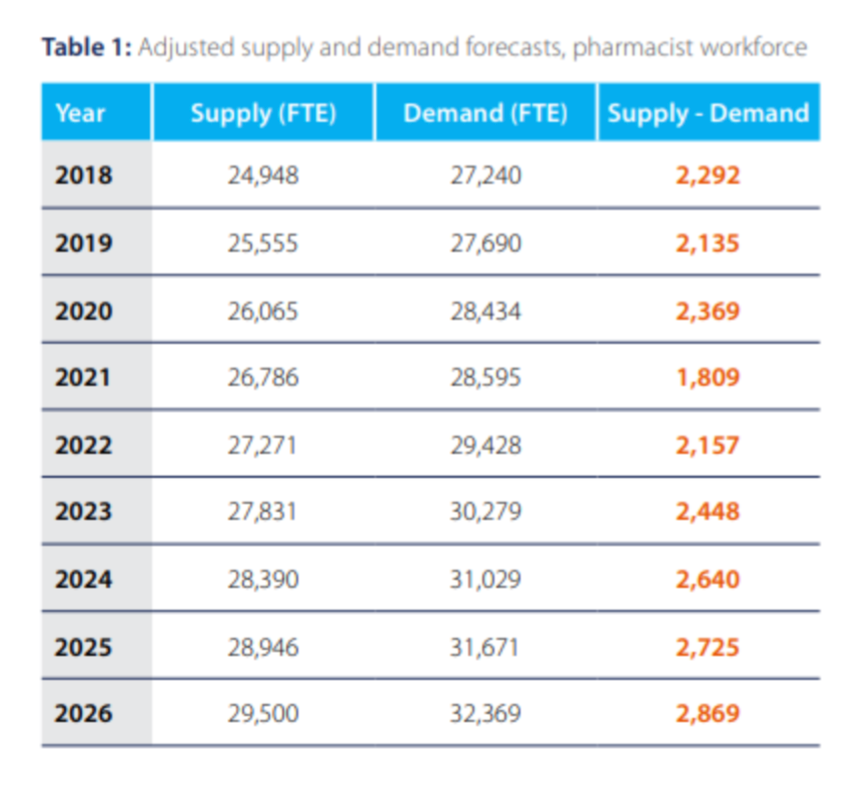
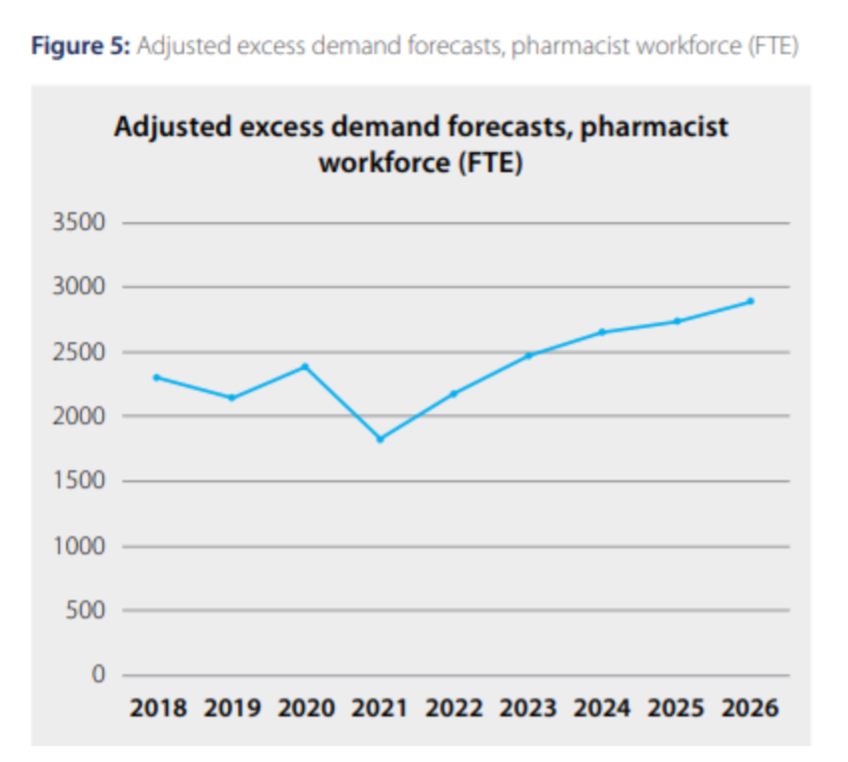
    According to the Workforce Capability Project by The Pharmacy Guild of Australia, there is a high demand for pharmacists in Australia, particularly in regional areas. The data presented in the table and graph below highlights the disparity between the number of available pharmacists and the demand in various regions.

    Demand of Pharmacist in Australia
    Graph of demand of Pharmacist

    Conclusion

    The data from the Workforce Capability Project by The Pharmacy Guild of Australia, along with the initiatives under the 8CPA and increased visa options, clearly demonstrate that there are ample opportunities for pharmacists in Australia, especially in regional areas. By passing the KAPS exam, overseas pharmacists can unlock these opportunities, enjoy professional growth, and make a meaningful impact in communities that need their expertise. Elite Expertise is here to guide you through the KAPS exam preparation, ensuring you are well-equipped to seize these opportunities. Now is the perfect time to take the leap and pursue a rewarding pharmacy career in Australia.

    Mr. Arief Mohammad is renowned for his excellent teaching skills and practice-based experience which can contribute to developing practice-based knowledge for a learner. He has been a practicing pharmacist in Australia for the last 5 years and has been a preceptor to several students and intern pharmacists.

    Follow On

    Arief Mohammad

    Arief Mohammad

    ABOUT THE AUTHOR

  • Tips for KAPS Exam Last Week Preparation: A Pro Perspective from Elite Expertise

    As the KAPS exam date approaches (July 15 to July 17), pharmacy graduates and overseas pharmacists must focus on fine-tuning their preparation. Here are some last-minute tips and tricks to help you excel in the KAPS exam, brought to you by Elite Expertise.

    Prioritize High-Yield Topics

    In the final week before the KAPS exam, concentrate on high-yield topics. These include:

    1. Pharmacology: Focus on drug mechanisms, side effects, and interactions.

    1. Pharmaceutics: Review drug formulation, stability, and delivery systems.

    1. Clinical Pharmacy: Go over therapeutic drug monitoring and clinical interventions.

    1. Pharmaceutical Chemistry: Brush up on chemical properties and analysis of drugs.

    Create a Revision Schedule

    A structured revision schedule is crucial for KAPS preparation. Allocate specific days to each subject and stick to it. For instance:

    • Day 1-2: Pharmacology

    • Day 3-4: Pharmaceutics

    • Day 5: Clinical Pharmacy

    • Day 6: Pharmaceutical Chemistry

    • Day 7: Mock tests and review

    This is just to assist you but you allocate and stick as per your requirements.

    Use Active Recall and Spaced Repetition

    Active recall and spaced repetition are proven techniques for effective learning. Use flashcards, practice questions, and past papers to reinforce your knowledge.

    Focus on Weak Areas

    Identify your weak areas and devote extra time to those topics. If you’re struggling with specific concepts in pharmacology or pharmaceutics, review them until you’re confident.

    Take Mock Tests

    Simulate exam conditions by taking full-length mock tests. This helps build stamina and gives you a realistic sense of the exam format. Review your answers thoroughly to understand your mistakes.

    Stay Healthy

    Your mental and physical health are paramount. Ensure you’re getting enough sleep, eating balanced meals, and taking short breaks during study sessions to stay fresh and focused.

    Last-Minute Tips

    1. Revise Key Concepts: On the day before the exam, go over key concepts and formulas. Avoid cramming new information.

    1. Organize Your Materials: Ensure you have all necessary documents and materials ready, including your ID and exam confirmation.

    1. Stay Calm and Confident: Maintain a positive mindset. Trust in your preparation and stay calm during the exam.

    Conclusion

    Preparing for the KAPS exam requires strategic revision, especially in the final week. Focus on high-yield topics, use active recall, and take mock tests to boost your confidence. Remember, a healthy mind and body are key to performing well in the KAPS exam.

    Elite Expertise wishes you all the best in your KAPS exam! For more tips and resources on the KAPS exam and pharmacy career pathways globally, stay tuned to our blog. Good luck!

    Mr. Arief Mohammad is renowned for his excellent teaching skills and practice-based experience which can contribute to developing practice-based knowledge for a learner. He has been a practicing pharmacist in Australia for the last 5 years and has been a preceptor to several students and intern pharmacists.

    Follow On
    Arief Mohammad

    Arief Mohammad

    ABOUT THE AUTHOR

  • KAPS EXAM DATES AND RESULTS DATES

    The Knowledge Assessment of Pharmaceutical Sciences (KAPS) exam is an essential milestone for pharmacists aiming to practice in Australia. Conducted multiple times a year, the exam ensures that candidates meet the required standards of knowledge and competency in pharmaceutical sciences. Staying informed about the upcoming exam dates is crucial for effective preparation and timely registration. This guide provides detailed information on the scheduled dates for the KAPS exam, allowing you to plan and prepare accordingly for this important assessment.

    KAPS EXAM DURATION

    The exam lasts a minimum of 4 hours.

    KAPS EXAM PATTERN

    • The KAPS exam consists of two papers.

    • Each paper containing 100 questions.

    • Both of which you must take on the same day.

    Make sure to submit your Eligibility Check at least 8 weeks before the registration deadline for your chosen exam date

    KAPS EXAM FEES : AU$2290

    KAPS EXAM DATES

    CONCLUSION

    Staying informed about the KAPS exam dates is crucial for effective planning and preparation. At Elite Expertise, we understand the importance of these timelines in your journey to becoming a licensed pharmacist in Australia. By keeping track of exam schedules and result release dates, you can strategically plan your study periods, ensuring you are well-prepared and confident on the exam day. Remember, timely registration and consistent preparation are key to success. Elite Expertise is here to support you every step of the way, providing the resources and guidance needed to achieve your professional goals. Stay focused, stay informed, and let us help you excel in your KAPS exam journey.

    Registration Period

    26 March – 11 June 2024

    6 August – 8 October 2024

    Registration Period

    Exam Date

    Exam Date

    Result Date

    Result Date

    15 – 17 July 2024

    25 – 27 November 2024

    10 December2024

    30 July2024

    Mr. Arief Mohammad is renowned for his excellent teaching skills and practice-based experience which can contribute to developing practice-based knowledge for a learner. He has been a practicing pharmacist in Australia for the last 5 years and has been a preceptor to several students and intern pharmacists.

    Follow On
    Arief Mohammad

    Arief Mohammad

    ABOUT THE AUTHOR

  • Why Canada is the Top Choice for Overseas Pharmacists?

    Embarking on a journey as an international pharmacist holds the promise of not just advancing your career but also immersing yourself in a new culture and healthcare system. If you’re considering Canada as your destination, you’re in for a treat. With its robust healthcare infrastructure, high demand for skilled professionals, and commitment to quality of life, Canada stands out as an enticing option. Let’s delve into why Canada is increasingly becoming the top choice for pharmacists seeking new horizons.

    Canada can be an attractive destination for international pharmacists for several reasons, here are a few for you:

    1. High Demand: Canada has a growing demand for healthcare professionals, including pharmacists, due to factors such as an aging population and increased healthcare needs. According to Government of Canada job prospects for pharmacists from 2022 to 2031, it is anticipated that there will be 16,100 new job openings due to both expansion and replacement demand. Meanwhile, approximately 20,000 new job seekers, including school leavers, immigrants, and those seeking career mobility, are projected to be available to fill these positions.

    1. Immigration Programs: Canada offers various immigration programs tailored to skilled workers, including pharmacists. Programs like the Express Entry system and Provincial Nominee Programs (PNPs) can provide pathways to permanent residency.

    1. Prescribing rights of Pharmacists: Pharmacists in Canada have seen their prescribing powers expand significantly. Currently, all pharmacists across Canada have some level of prescribing authority, but this varies by jurisdiction.

    1. Competitive Salaries: Pharmacists in Canada generally earn competitive salaries, with opportunities for advancement and additional benefits such as healthcare coverage and retirement plans. According to recent data from the Canadian Pharmacists Association, the average annual salary for pharmacists in Canada ranges from $80,000 to $120,000 CAD.

    1. Regulatory Standards: Canada has high regulatory standards for pharmacists, which can be appealing to professionals seeking to work in a well-regulated and respected healthcare system.

    1. Excellent Healthcare System: Canada boasts a publicly funded healthcare system that provides access to healthcare services for all residents. This can offer job security and stability for pharmacists.

    1. Quality of Life: Canada consistently ranks high in quality-of-life indexes, with factors such as safety, healthcare, education, and environment contributing to its appeal.

    1. Diverse Work Settings: Pharmacists in Canada can work in a variety of settings, including community pharmacies, hospitals, long-term care facilities, research institutions, and government agencies, providing opportunities for professional growth and specialization.

    1. Cultural Diversity: Canada is known for its cultural diversity, welcoming immigrants from around the world. This creates a rich and inclusive environment for international pharmacists to live and work.

    1. Work-Life Balance: Canada values work-life balance, with shorter working hours compared to some other countries and ample opportunities for leisure activities, outdoor adventures, and family time.

    1. Continuing Education: Canada emphasizes continuing education and professional development for pharmacists, with opportunities for further training, specialization, and staying up-to-date with the latest advancements in the field.

    1. Moving from Canada to the US: Moving from Canada to the US presents the added advantage of ease for pharmacists seeking migration, facilitated by streamlined processes and visa options tailored to skilled professionals in the pharmacy field.

    Mr. Arief Mohammad is renowned for his excellent teaching skills and practice-based experience which can contribute to developing practice-based knowledge for a learner. He has been a practicing pharmacist in Australia for the last 5 years and has been a preceptor to several students and intern pharmacists.

    Follow On
    Arief Mohammad

    Arief Mohammad

    ABOUT THE AUTHOR

  • PEBC Announces Exciting Changes to the Pharmacist Evaluating Examination

    The Pharmacy Examining Board of Canada (PEBC) has unveiled significant updates to the Pharmacist Evaluating Examination, marking a pivotal shift aimed at enhancing the examination process for aspiring pharmacists. These changes are set to streamline exam access, adjust the examination structure, and update the exam content to align with contemporary educational standards.

    Additional Pharmacist Evaluating Examination Sitting in October 2024

    In response to the growing demand for more frequent exam opportunities, PEBC is introducing an additional Pharmacist Evaluating Examination sitting in October 2024. This new schedule adjustment is designed to facilitate quicker access to the exam following the successful completion of the Document Evaluation phase. Importantly, starting in 2025, PEBC will offer four examination sittings annually, a move that promises greater flexibility and reduced waiting times for candidates.

    New Eligibility Criteria for Reattempts of PEBC Evaluating Exam

    To ensure candidates have ample time to prepare adequately, PEBC has updated the eligibility criteria for retaking the Pharmacist Evaluating exam. Unsuccessful candidates will not be eligible to apply for the next immediate exam sitting. For instance, if a candidate does not pass the June 2024 exam, their next opportunity to retake the Pharmacist Evaluating exam will be in January 2025. This policy considers the necessary preparation time and aligns with the release of exam results and subsequent application deadlines.

    Shortening the PEBC Evaluating Exam Length

    PEBC’s ongoing efforts to refine the exam process include shortening the length of the Pharmacist Evaluating Examination. Following a comprehensive study, PEBC has decided to reduce the number of questions from 200 to 150, effective from the October 2024 sitting. This change aims to maintain the reliability and consistency of pass-fail decisions while reducing the overall testing time to approximately three hours. Detailed information regarding this adjustment will be shared in early July.

    Updating the Exam Blueprint

    Reflecting the shift to entry-level PharmD programs across Canadian institutions, PEBC is updating the exam blueprint to ensure alignment with the new curriculum standards. The updated blueprint, expected to be announced later this summer, will come into effect no earlier than June 2025. As part of this transition, PEBC is conducting further analysis, which may lead to additional reductions in the exam length.

    Important Dates and Application Information

    These progressive changes by PEBC underscore a commitment to optimizing the examination process, ensuring candidates are better prepared, and aligning the exam content with current educational standards. Aspiring pharmacists can look forward to a more efficient and responsive examination experience in the coming years.

    For more information on examination dates and fees, candidates are encouraged to visit the PEBC website.

    The additional October 2024 exam sitting is scheduled for October 9th. Applications will be accessible to qualified candidates through their Portal accounts starting May 6th, with the application window remaining open until June 27th, 2024. It’s important to note that candidates scheduled for the June 2024 exam will not be allowed to transfer their application and fee to the October sitting.

    Mr. Arief Mohammad is renowned for his excellent teaching skills and practice-based experience which can contribute to developing practice-based knowledge for a learner. He has been a practicing pharmacist in Australia for the last 5 years and has been a preceptor to several students and intern pharmacists.

    Follow On

    Arief Mohammad

    Arief Mohammad

    ABOUT THE AUTHOR

  • Exploring Global Career Opportunities for Pharmacists

    Canada: PEBC Exam

    Canada is known for its high standards of healthcare and offers attractive opportunities for pharmacists. The Pharmacy Examining Board of Canada (PEBC) regulates the pharmacy profession in Canada and assesses the qualifications of pharmacists trained outside Canada. To practice as a pharmacist in Canada, international graduates need to pass the PEBC Evaluating Exam, which assesses the fundamental knowledge and skills required for pharmacy practice in Canada. Following this, they must also pass the PEBC Qualifying Exam to demonstrate their competence in pharmacy practice. There are 10 provinces in Canada each having its own pathway with the above mentioned to be as common along with certain amount of internship, English language proficiency test, Jurisprudence exam and bridging programs.

    Australia: KAPS Exam

    Canada is known for its high standards of healthcare and offers attractive opportunities for pharmacists. The Pharmacy Examining Board of Canada (PEBC) regulates the pharmacy profession in Canada and assesses the qualifications of pharmacists trained outside Canada. To practice as a pharmacist in Canada, international graduates need to pass the PEBC Evaluating Exam, which assesses the fundamental knowledge and skills required for pharmacy practice in Canada. Following this, they must also pass the PEBC Qualifying Exam to demonstrate their competence in pharmacy practice. There are 10 provinces in Canada each having its own pathway with the above mentioned to be as common along with certain amount of internship, English language proficiency test, Jurisprudence exam and bridging programs.

      Competency Assessment of Overseas Pharmacists (CAOP) program: The competency stream is tailored for individuals who have either successfully completed an approved pharmacy qualification or have undergone an authorized adjudication process in Canada, Ireland, the UK, or the USA, and are presently registered in one of these countries.

      Knowledge Assessment of Pharmaceutical Sciences (KAPS) Exam: The knowledge stream is designed for those who have completed their pharmacy qualification in any country other than Australia, Canada, Ireland, New Zealand, the UK, or the USA.

      After the Exams there is certain amount of internship that has to be done and a proof for English language proficiency is required to register as a pharmacist in Australia.

    New Zealand: KAPS Exam

    Neighbouring New Zealand offers a similar pathway for internationally trained pharmacists through the Pharmacy Council of New Zealand (PCNZ). Pharmacists who have completed their education outside New Zealand need to undertake the Overseas Pharmacists Assessment Programme (OSPAP), which includes the KAPS Exam. Successful completion of this exam, along with other requirements such as English language proficiency, enables pharmacists to register and practice in New Zealand.

    United States: FPGEC and NAPLEX

    While the process for international pharmacists to practice in the United States is more complex, it offers rewarding opportunities for those willing to navigate through it. The Foreign Pharmacy Graduate Examination Committee (FPGEC) administers the Foreign Pharmacy Graduate Equivalency Examination (FPGEE), which assesses the competence of foreign-educated pharmacists. Upon passing the FPGEE, candidates must then pass the North American Pharmacist Licensure Examination (NAPLEX) and the Multistate Pharmacy Jurisprudence Examination (MPJE) to become licensed pharmacists in the US.

    United Kingdom: GPhC Registration Assessment

    The United Kingdom has a long history of welcoming international healthcare professionals, including pharmacists. The General Pharmaceutical Council (GPhC) oversees the registration process for pharmacists in the UK. International pharmacy graduates need to pass the GPhC Registration Assessment, which assesses their knowledge and skills against UK pharmacy standards. In addition to passing the assessment, candidates must also demonstrate English language proficiency and meet other registration requirements.

    Conclusion

    Embarking on an international career as a pharmacist offers not only professional growth but also personal enrichment through exposure to new cultures and healthcare systems. While the pathways may vary from country to country, the commitment to excellence and patient care remains constant. Whether you dream of practicing in Canada, Australia, New Zealand, the UK, or the US, thorough preparation and dedication are key to success. So, if you’re ready to take your pharmacy career to new heights, explore the possibilities awaiting you on the global stage. We at Elit Expertise are always ready to assist you through PEBC Evaluating Exam for Canada, PSI Equivalence for Ireland, and the OPRA Exam/KAPS Exam for Australia and New Zealand for your brighter future as a Pharmacist.

    Mr. Arief Mohammad is renowned for his excellent teaching skills and practice-based experience which can contribute to developing practice-based knowledge for a learner. He has been a practicing pharmacist in Australia for the last 5 years and has been a preceptor to several students and intern pharmacists.

    Follow On

    Arief Mohammad

    Arief Mohammad

    ABOUT THE AUTHOR

  • Applying Document Evaluation for PEBC Certification?

    PEBC’s meticulous document evaluation ensures that your pharmacy degree meets the standards required for certification. Here’s everything you need to know to navigate this essential process smoothly

    Eligibility and Necessities

    Before diving into the evaluation process, ensure you meet the basic eligibility criteria:

    • A four-year degree in pharmacy is mandatory.

    • Obtain a NAPRA ID, as it’s indispensable for creating a portal with PEBC for Document Evaluation.

    Required Documents

    Gather the following documents to support your application:

    • A properly witnessed printed application form.

    • Certified copies of documents verifying your identity such as such as a birth certificate or marriage certificate.

    • Documentation demonstrating graduation from an acceptable pharmacy program or University degree certificate.

    • Documents confirming your international licensing status (a current-dated letter from the licensing authority stating that your license is in ‘good standing’).

    • Statutory declarations, if applicable.

    Submission and Process

    Submit your documents as instructed:

    • Application forms and identity verification documents should be couriered to PEBC.

    • College-issued documents and licensing status proofs may be couriered or emailed directly by your respective authorities.

    Addressing Discrepancies

    In case of any discrepancies with your submitted documents, PEBC will promptly notify you via email. Additional documents may be requested to resolve these discrepancies, potentially extending the evaluation timeline.

    Evaluation Timeline and Fees

    Be prepared for an evaluation period of approximately 8 weeks which might extent in case of any discrepancies mentioned above. The document evaluation incurs a fee of CAD 705, payable at the time of submission.

    Results and Validity

    Upon completion of the evaluation, PEBC will upload a results letter to the Digital Wallet in your Portal account within 5 business days. The results of the Document Evaluation remain valid for five years from the date on the results letter.

    Conclusion

    Document Evaluation is your gateway to pursuing pharmacy practice in Canada through PEBC certification. By adhering to the outlined procedures and ensuring the submission of accurate and complete documentation, you set yourself on the path toward achieving your professional goals.

    Remember, each step of the process plays a crucial role in determining your eligibility for subsequent examinations (like Evaluating exam and Qualifying exam) and eventual certification. Stay informed, organized, and proactive to navigate the Document Evaluation process smoothly and embark on your journey toward a fulfilling career in pharmacy in Canada.

    Mr. Arief Mohammad is renowned for his excellent teaching skills and practice-based experience which can contribute to developing practice-based knowledge for a learner. He has been a practicing pharmacist in Australia for the last 5 years and has been a preceptor to several students and intern pharmacists.

    Follow On

    Arief Mohammad

    Arief Mohammad

    ABOUT THE AUTHOR